Culture · Austin
A short history of Black Austin, from freedmen’s towns to civic leadership
Austin’s Black history includes early settlement, the growth of freedmen’s communities, pioneering public safety work and a gradual expansion of political representation.
By KLGBT News Desk ·
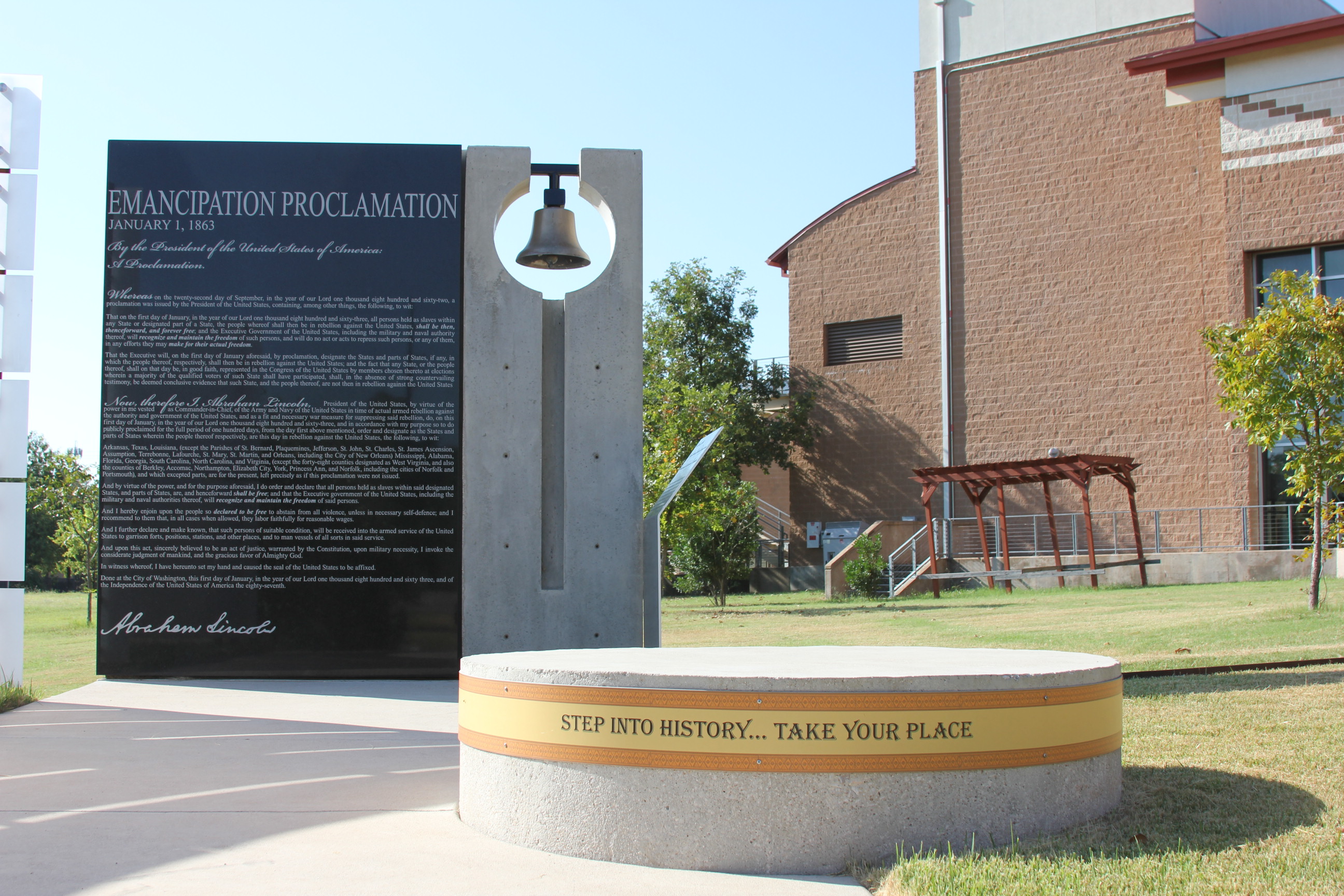
The history of African Americans in Austin reaches back to 1839, when Mahala Murchison became the first African American recorded in the city’s history. In the decades that followed, Black Austinites established communities that helped shape the city’s development and civic life.
During Reconstruction, formerly enslaved people moved from rural areas into towns and cities, creating communities commonly known as Freedmen’s towns or freedmantowns. Austin was home to several of these communities, including Clarksville, Wheatville, Masontown and Kicheonville. Some were later incorporated into the city proper, linking the city’s modern geography to the efforts of people building new lives after emancipation.
Black residents also played an important role in Austin’s public safety institutions. The city’s African American firefighters were pioneers in a field where they became the first such firefighters hired in Texas. Black police officers were uncommon in the early decades of the Austin Police Department, although the department began hiring African American officers in the early 1900s. By the 1930s, their presence remained a notable part of the agency’s history.
That history also includes loss and service. John Gaines and Tom Allen were the first two of three Austin police officers killed in the line of duty in the department’s history. Their inclusion in the record reflects both the risks faced by public safety workers and the often-overlooked contributions of Black officers to Austin’s institutions.
Political representation marked another important development. In 1968, Wilhelmina Ruth Delco became the first African American elected to public office in Austin. Four years later, Barbara Jordan was identified as a leader in the Civil Rights movement. Together, these milestones point to the growing visibility of Black leadership in the city and beyond.
Austin’s Black population has not remained a fixed share of the city. According to the historical account, its relative proportion reached a high point in the late 20th century and has declined steadily since then. That demographic shift is part of the broader story, but it does not erase the central role Black communities have played in Austin’s formation.
For readers trying to understand Austin’s present, this history offers a useful starting point: the city’s story includes emancipation-era community building, pioneering public service and a long struggle for civic representation. The names and neighborhoods in this account connect Austin’s institutions and landscape to generations of African American residents.
Source and reuse information This automatically generated backgrounder adapts text from “History of African Americans in Austin” on Wikipedia: https://en.wikipedia.org/wiki/History_of_African_Americans_in_Austin The adapted text is released under the Creative Commons Attribution-ShareAlike 4.0 International license (CC BY-SA 4.0): https://creativecommons.org/licenses/by-sa/4.0/. The source article’s linked references are provided below where available. This story has not been independently reviewed or fact-checked.
Further links listed by the Wikipedia page (not independently checked): - https://www.youarehereatx.org/african-americans-in-austin/ - https://www.austinchronicle.com/news/1995-10-20/529941/ - https://history.house.gov/People/Listing/J/JORDAN,-Barbara-Charline-(J000266)/ - https://web.archive.org/web/20110716145243/http://www.beejae.com/bjordan.htm - https://legacyprojectchicago.org/person/barbara-jordan - https://www.austinchronicle.com/arts/2009-04-24/770404/ Image rights Photograph description: The Juneteenth Memorial Sculpture Monument at the George Washington Carver Museum, Cultural, and Genealogy Center opened to the public June 27, 2015. It is made up of 5 bronze figures that represent the story of Juneteeth and a paved timeline of the Black Presence in the Americas—from the Middle Passage to the Emancipation Proclamation that leads to the Bell of Freedom. Creator: Jennifer Rangubphai. License: CC BY-SA 4.0 (https://creativecommons.org/licenses/by-sa/4.0). Original image page: https://commons.wikimedia.org/wiki/File%3AEmancipation_Proclamation_-_Juneteenth_Memorial_Monument_-_Austin_Texas.jpg. The image was resized for display; no other changes were made.