Beyond the Bay · Austin
Austin at a Glance: Texas Capital in the Hill Country
Austin is the capital and most populous city of Travis County, with a 2020 population of 961,855 and a metropolitan area estimated at 2.55 million residents.
By KLGBT News Desk ·
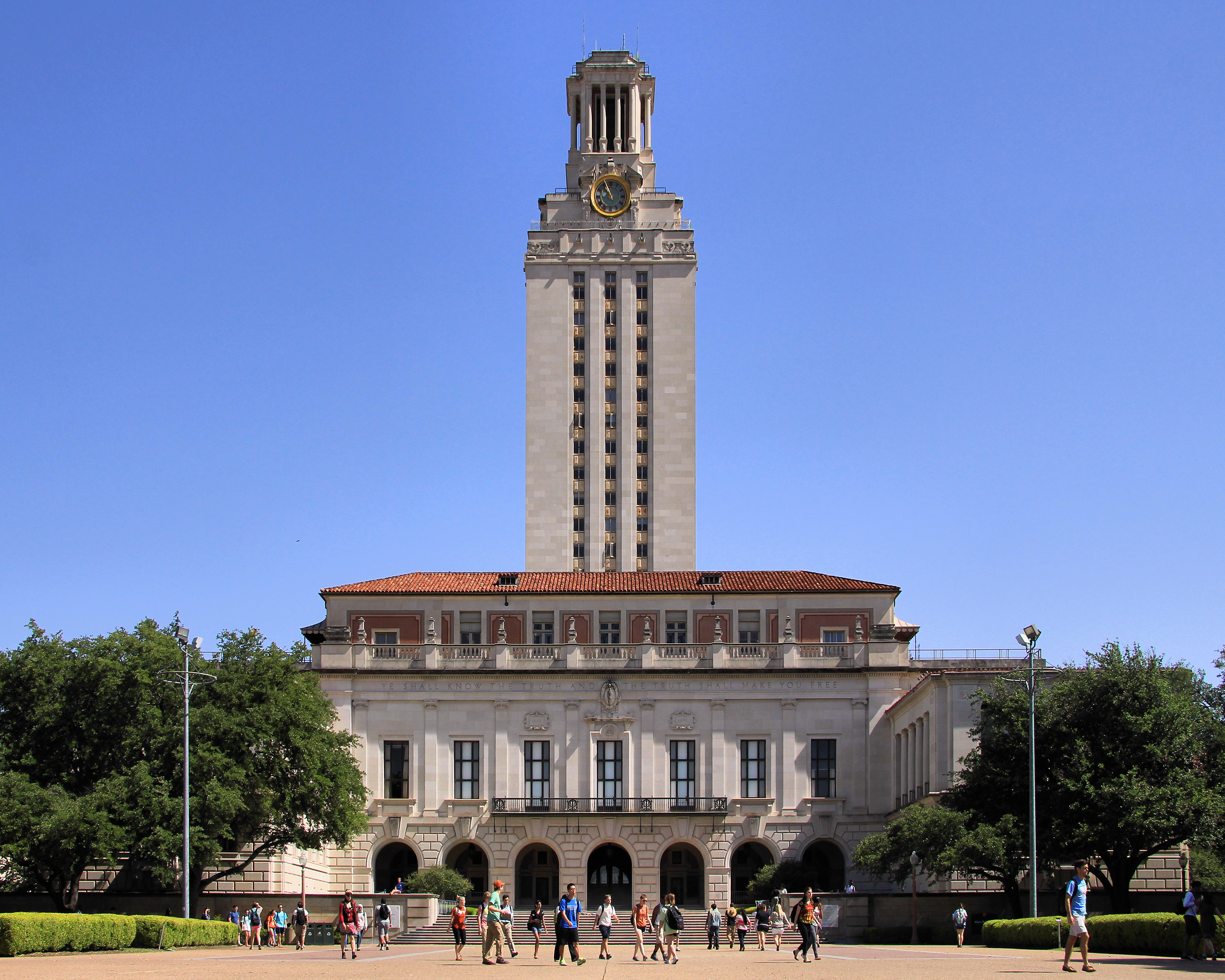
Austin is the capital of Texas and the largest city in Travis County. At the 2020 census, the city had 961,855 residents, making it the 12th-most populous city in the United States, the fifth-largest in Texas and the second-most populous state capital in the country, after Phoenix. The Austin metropolitan area was estimated to have 2.55 million residents.
The city was incorporated on December 27, 1839. Its boundaries and regional connections extend beyond Travis County: portions of Austin are also in Hays and Williamson counties. Since 2010, Austin has been among the fastest-growing large cities in the United States, according to the supplied source material.
Geographically, Austin sits in Central Texas within the broader Texas Hill Country. Its setting includes a network of lakes, rivers and other waterways. Lady Bird Lake and Lake Travis are part of the Colorado River system, while Barton Springs, McKinney Falls and Lake Walter E. Long are among the area’s named natural or recreational features.
Austin and San Antonio are about 80 miles apart, connected by the Interstate 35 corridor. Together, their metropolitan region has approximately 5 million people. That relationship places Austin within a larger Central Texas population center that extends well beyond the city limits.
The city’s civic role is central to its identity: Austin serves as the seat of state government while also functioning as the county seat and largest city of Travis County. The source also identifies Austin as a Gamma-plus global city, a classification describing its place within an international system of cities.
For readers seeking a basic geographic and civic frame for Austin, these details establish the city’s scale, location and regional reach. Austin is simultaneously a state capital, a major Texas city, part of a rapidly growing metropolitan area and a community shaped by its position among the waterways and landscapes of Central Texas.
Source and reuse information This automatically generated backgrounder adapts text from “Austin, Texas” on Wikipedia: https://en.wikipedia.org/wiki/Austin,_Texas The adapted text is released under the Creative Commons Attribution-ShareAlike 4.0 International license (CC BY-SA 4.0): https://creativecommons.org/licenses/by-sa/4.0/. The source article’s linked references are provided below where available. This story has not been independently reviewed or fact-checked.
Further links listed by the Wikipedia page (not independently checked): - https://tshaonline.org/handbook/online/articles/hda03 - https://web.archive.org/web/20100125200305/http://www.dot.state.tx.us/local_information/austin_district/ - https://web.archive.org/web/20110904002737/http://www.tdcj.state.tx.us/parole/parole-directory/paroledir-rgnldisparoff4.htm - https://www.austintexas.gov/sites/default/files/files/Planning/Demographics/School_Districts_and_The_City.pdf - https://web.archive.org/web/20090728065728/http://www.mysanantonio.com/news/politics/Texas_Tribune_set_as_state_watchdog.html - https://catalogue.bnf.fr/ark:/12148/cb122064757 Image rights Photograph description: The Main Building of the University of Texas at Austin in Austin, Texas, United States. Creator: Larry D. Moore. License: CC BY 4.0 (https://creativecommons.org/licenses/by/4.0). Original image page: https://commons.wikimedia.org/wiki/File%3AUniversity_of_texas_at_austin_main_building_2014.jpg. The image was resized for display; no other changes were made.