LGBTQ+ · Austin
J. Michael Bailey’s Austin connection and the debate around his work
The Northwestern psychologist earned his clinical psychology doctorate at the University of Texas at Austin and later became known for research and writing about sexual orientation, paraphilia and transgender women.
By KLGBT News Desk ·
J. Michael Bailey is an American psychologist and behavioral geneticist whose academic career has included research on sexual orientation and paraphilia. His connection to Austin comes through the University of Texas, where he earned a Ph.D. in clinical psychology in 1989 under the supervision of behavioral genetics researcher Lee Willerman.
Bailey was born in Lubbock, Texas, and completed an undergraduate degree in mathematics at Washington University in St. Louis in 1979. After finishing his doctorate, he joined Northwestern University as a professor in 1989. The supplied biographical material identifies him as remaining on Northwestern’s faculty after stepping down as chair of its Psychology Department in October 2004.
His research has focused in part on possible biological and inherited influences on sexual orientation. During the 1990s, Bailey published papers proposing that sexual orientation may include a heritable component. The source also describes his position that male sexual orientation is most likely shaped through biological influences. Those claims place his work within longstanding debates over how sexual orientation develops, while the available material does not provide a broader review of the research or the responses to it.
Bailey became more widely known outside academic psychology after publishing The Man Who Would Be Queen in 2003. The book addresses male sexual orientation and Ray Blanchard’s typology of transgender women. According to the supplied material, its publication generated significant controversy. The extract does not detail the specific arguments made by critics or supporters, but it establishes that the book’s treatment of transgender women became a major part of Bailey’s public profile.
For Austin readers, Bailey’s history is notable because the city’s university was part of the training path that preceded his national visibility. His career also illustrates how academic research about sexuality can move from specialized journals into public disputes about identity, gender and the interpretation of scientific evidence. The available information supports that institutional and intellectual connection, but it does not establish that Bailey currently lives in Austin, works in Austin or has a current role at the university.
Source and reuse information This automatically generated backgrounder adapts text from “J. Michael Bailey” on Wikipedia: https://en.wikipedia.org/wiki/J._Michael_Bailey The adapted text is released under the Creative Commons Attribution-ShareAlike 4.0 International license (CC BY-SA 4.0): https://creativecommons.org/licenses/by-sa/4.0/. The source article’s linked references are provided below where available. This story has not been independently reviewed or fact-checked.
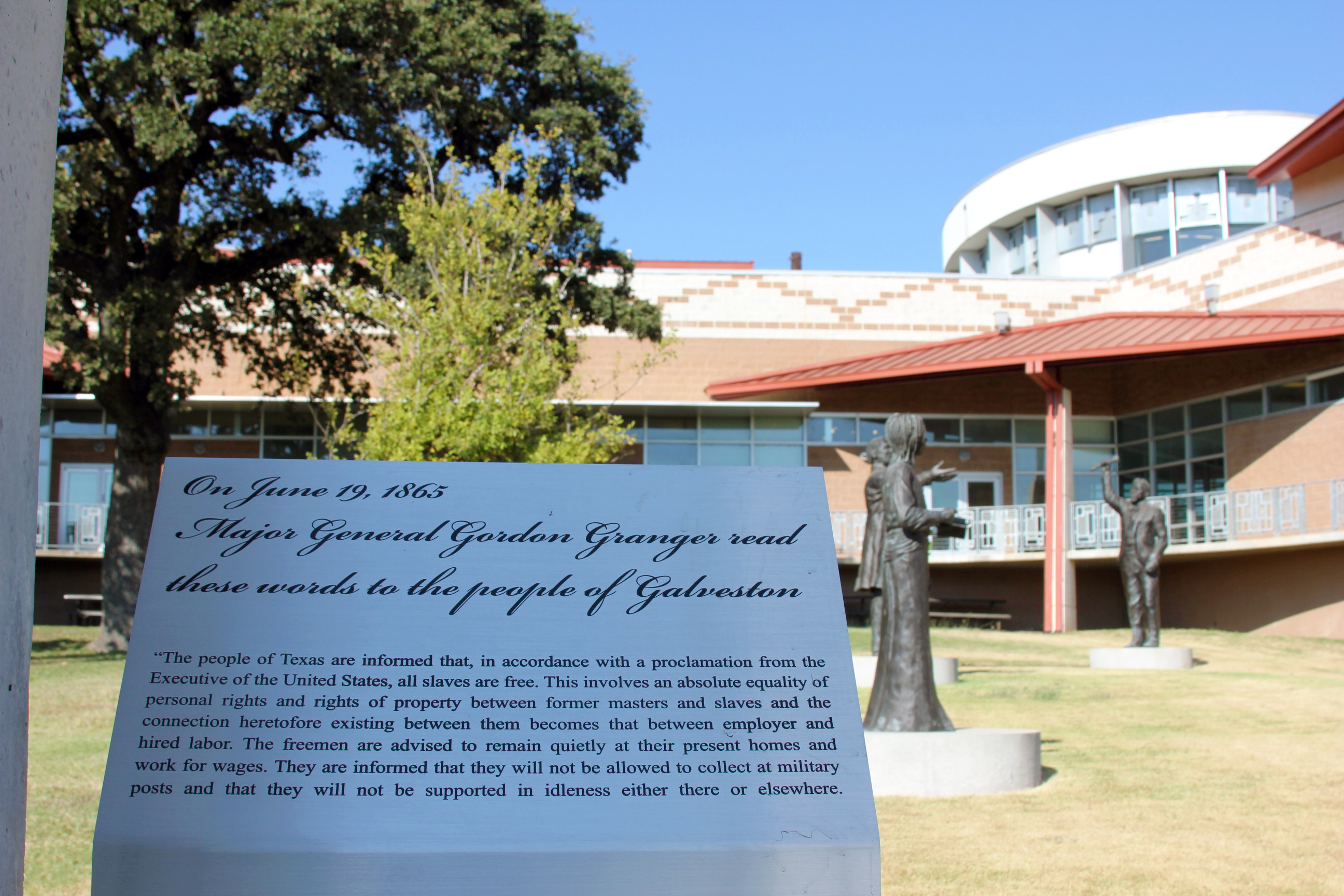
Further links listed by the Wikipedia page (not independently checked): - https://viaf.org/viaf/37155232 - https://web.archive.org/web/20070807075502/http://www.chron.org/tools/viewarticle.php?artid=1248 - https://www.idref.fr/101451156 - https://www.nytimes.com/2005/07/05/health/05sex.html - https://www.nytimes.com/2007/08/21/health/psychology/21gender.html?pagewanted=all - https://www.nytimes.com/2007/08/21/health/psychology/21gender.html?pagewanted=1 Image rights Photograph description: The monument at the George Washington Carver Museum shows how the news of freedom spread. Juneteenth began on June 19, 1865 with an order read by General Gordon Grainger—a law that the Emancipation Proclamation was enforced. So Legislature learned of freedom first, then the news reached The Pastor (who represents the faith leader in African American Community). The Pastor told the enslaved people Creator: Jennifer Rangubphai. License: CC BY-SA 4.0 (https://creativecommons.org/licenses/by-sa/4.0). Original image page: https://commons.wikimedia.org/wiki/File%3AGeneral_Order_No._3_-_Juneteenth_Memorial_Monument_-_Austin_Texas.jpg. The image was resized for display; no other changes were made.