Culture · Chicago
Before Playboy, Hugh Hefner Was a Chicagoan
Hugh Hefner’s story began on Chicago’s South Side, where a Midwestern upbringing preceded the creation of one of America’s most recognizable media brands.
By KLGBT News Desk ·
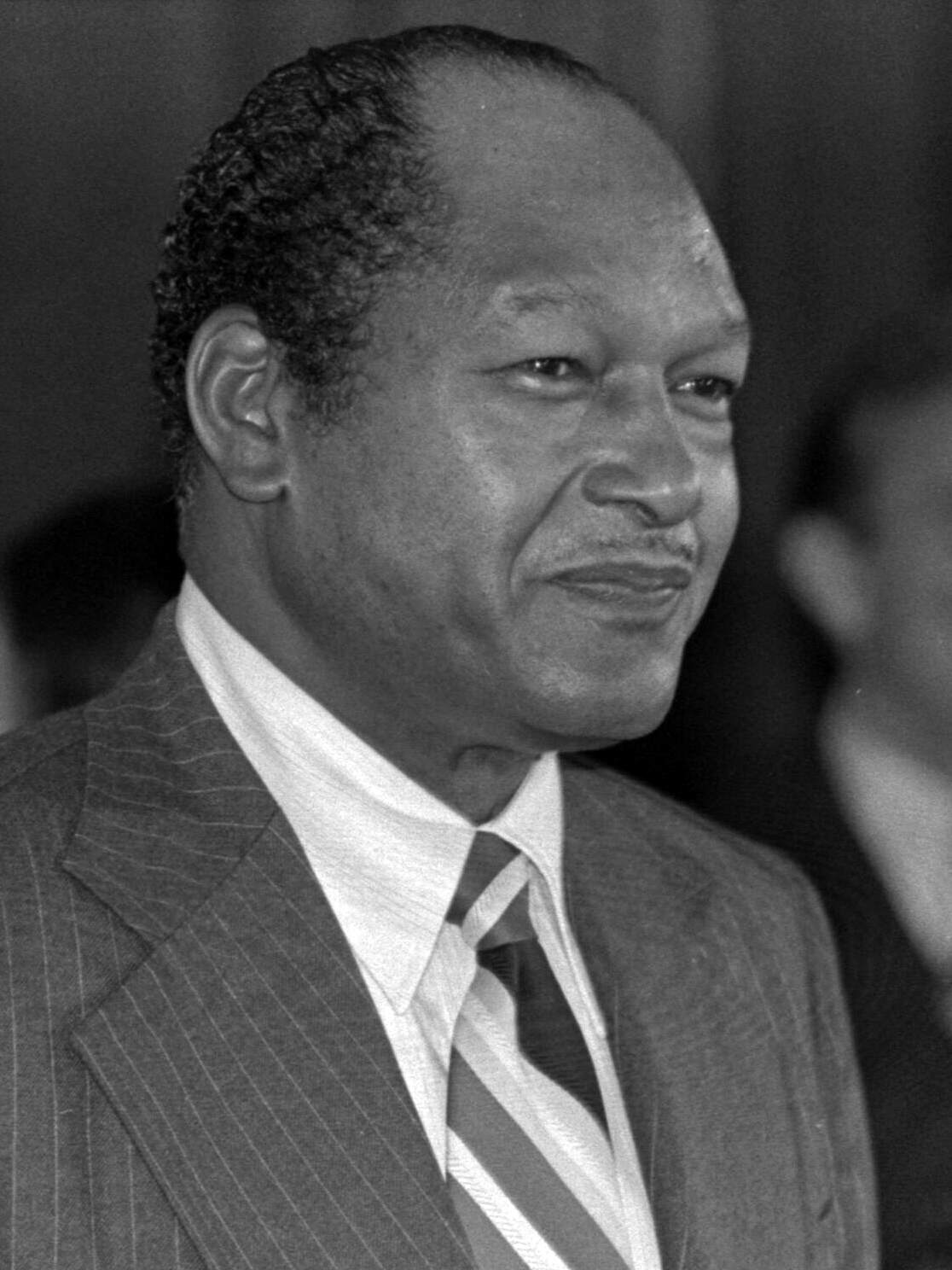
Hugh Hefner is most often remembered as the founder of Playboy, but his story began in Chicago. Born in the city on April 9, 1926, Hefner was the first child of Glenn Lucius Hefner, an accountant, and Grace Caroline Hefner, a teacher. His parents had Nebraska roots, and he grew up in a family he later characterized as conservative, Midwestern and Methodist.
That background stood in contrast to the public identity he would eventually build. Hefner created Playboy as a magazine combining sexualized photographs of women with articles, fiction and extended interviews with figures from politics, music, art and literature. The publication developed into a broader commercial and cultural enterprise, including a network of Playboy Clubs.
Chicago was the setting for Hefner’s early education. He attended Sayre Elementary School and Steinmetz High School before serving in the U.S. military from 1944 to 1946. The available biographical record places these formative years within a conventional family structure: his father worked in accounting, his mother taught, and she had hoped he would become a missionary. Hefner also had a younger brother, Keith.
His family background included several strands of European ancestry. His mother was of Swedish descent, while his father’s ancestry was German and English. Through his father’s line, Hefner was also a descendant of William Bradford, the governor of Plymouth.
Hefner’s later public life revolved around the Playboy brand and the lifestyle associated with it. He lived in luxury mansions where Playboy Playmates participated in parties and social activities, a setting that generated sustained media attention. The brand’s reach extended well beyond the magazine itself through its clubs and its association with Hefner’s personal image.
For Chicago, the important starting point is the gap between the city’s record of Hefner’s early life and the persona he became nationally. The future publisher did not emerge from a celebrity household or an entertainment dynasty. He began as a Chicago-born child of Midwestern parents, attended local schools and entered adulthood before building a media company around sex, celebrity and long-form editorial content.
Hefner died on September 27, 2017, at age 91. His biography remains tied to Chicago not because the city defined every part of his later career, but because it was the place where the family, education and cultural influences that preceded Playboy first came together.
Source and reuse information This backgrounder adapts factual material from “Hugh Hefner” on Wikipedia: https://en.wikipedia.org/wiki/Hugh_Hefner The adapted text is released under the Creative Commons Attribution-ShareAlike 4.0 International license (CC BY-SA 4.0): https://creativecommons.org/licenses/by-sa/4.0/. This story has not been independently reviewed or fact-checked.
Further links listed by the Wikipedia page (not independently checked): - https://web.archive.org/web/20110607104438/http://www.playboy.com/worldofplayboy/hmh/timeline/pre50s-content.html - https://twitter.com/hughhefner/status/8637804425 - https://web.archive.org/web/20100811192831/http://www.newyorker.com/archive/2006/03/20/060320crbo_books - https://www.reuters.com/article/peopleNews/idUSTRE58874L20090909 - https://www.reuters.com/article/us-usa-playboy-mansion-idUSKCN10R2FT - https://web.archive.org/web/20091231082551/http://newsmeat.com/media_political_donations/Hugh_Hefner.php Image rights Photograph description: A LOOK AT FREEDOM – Mayor Bradley, Times Publisher Otis Chandler and Hugh Hefner of Playboy view documents at reception for the Freedom of Press exhibit on the fifth floor of the Times Building. The exhibit will be open to the public Tuesday through March 14. It includes 15 historical papers, four from the trial of John Peter Zenger. The collection was borrowed from the Chicago Public Library by t Creator: Bob Chamberlin. License: CC BY 4.0 (https://creativecommons.org/licenses/by/4.0). Original image page: https://commons.wikimedia.org/wiki/File%3ATom_Bradley%2C_1980.jpg. The image was resized for display; no other changes were made.