LGBTQ+ · Chicago
Chicago’s LGBT Hall of Fame Preserves the City’s Queer History
Founded in 1991, Chicago’s LGBT Hall of Fame recognizes people and organizations that have strengthened the city’s LGBTQ+ community and remains accessible online.
By KLGBT News Desk ·
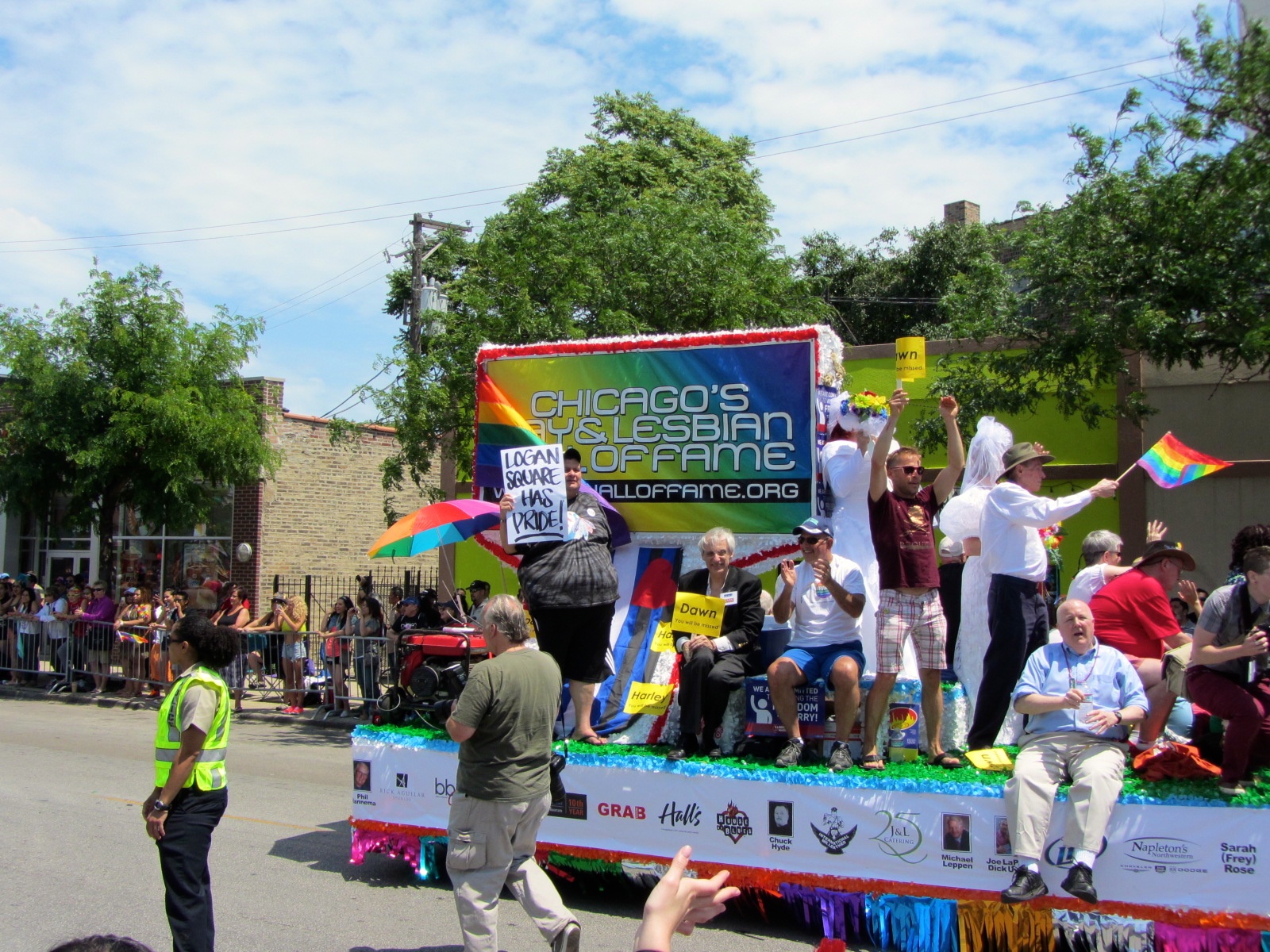
Chicago’s LGBT Hall of Fame was established in 1991 to recognize people and organizations whose work has improved the lives and well-being of the city’s LGBTQ+ community. More than three decades later, it remains a civic record of the people and institutions that have helped shape LGBTQ+ Chicago.
The institution began as the Chicago Gay and Lesbian Hall of Fame. Its creation made Chicago home to what was described as the first municipal hall of fame in the United States devoted to LGBTQ+ people, organizations and community. The project was also characterized at the time as potentially the first of its kind anywhere in the world.
The inaugural induction ceremony took place during Pride Week in 1991 at Chicago City Hall. Mayor Richard M. Daley hosted the event, and photographs of the honorees were later displayed inside City Hall. The ceremony placed LGBTQ+ recognition within a formal city setting, reflecting the significance of the community’s contributions to Chicago’s civic and cultural life.
The city’s involvement was not guaranteed to continue after that first year. Clarence Wood of the Chicago Commission on Human Relations initially questioned whether municipal sponsorship should continue. Chicago ultimately remained a sponsor, allowing the Hall of Fame to develop as a continuing city-linked institution.
Its name changed in 2016 to the Chicago LGBT Hall of Fame, a title that reflects a broader understanding of the community it honors. The Hall of Fame’s purpose remains centered on contributions to LGBTQ+ Chicago, whether those contributions come from individuals or organizations.
The institution does not currently operate a physical museum or dedicated facility. Instead, it maintains an online presence that allows visitors to explore the Hall of Fame at any time. That digital format gives the project a citywide reach while preserving its connection to Chicago’s public history.
For a city with a long record of LGBTQ+ organizing, advocacy and cultural work, the Hall of Fame offers a way to make that history visible. Its honorees represent the people and entities whose efforts have contributed to community well-being, and its city sponsorship marks those contributions as part of Chicago’s broader civic story. The Hall of Fame’s online home ensures that this record remains available beyond a single annual ceremony or a display inside City Hall.
Source and reuse information This backgrounder adapts factual material from “Chicago LGBT Hall of Fame” on Wikipedia: https://en.wikipedia.org/wiki/Chicago_LGBT_Hall_of_Fame The adapted text is released under the Creative Commons Attribution-ShareAlike 4.0 International license (CC BY-SA 4.0): https://creativecommons.org/licenses/by-sa/4.0/. This story has not been independently reviewed or fact-checked.
Further links listed by the Wikipedia page (not independently checked): - https://www.newspapers.com/clip/20671088/ - https://www.newspapers.com/clip/20671321/ - https://www.newspapers.com/clip/20671641/ - https://web.archive.org/web/20161225065859/http://glhalloffame.org/index.pl?page=mayor_letter - https://web.archive.org/web/20180606005057/http://chicagolgbthalloffame.org/category/1991/ - https://web.archive.org/web/20180608193026/http://chicagolgbthalloffame.org/category/1991/page/2/ Image rights Photograph description: Chicago's Gay and Lesbian Hall of Fame. Creator: puroticorico. License: CC BY-SA 2.0 (https://creativecommons.org/licenses/by-sa/2.0). Original image page: https://commons.wikimedia.org/wiki/File%3AChicago's_Gay_and_Lesbian_Hall_of_Fame_(9183337653).jpg. The image was resized for display; no other changes were made.