Beyond the Bay · Chicago
CTA’s Chicago Story: How the City’s Transit System Took Shape
The Chicago Transit Authority grew from a postwar merger of rapid-transit, streetcar and bus assets into the agency operating the city’s “L” and bus network today.
By KLGBT News Desk ·
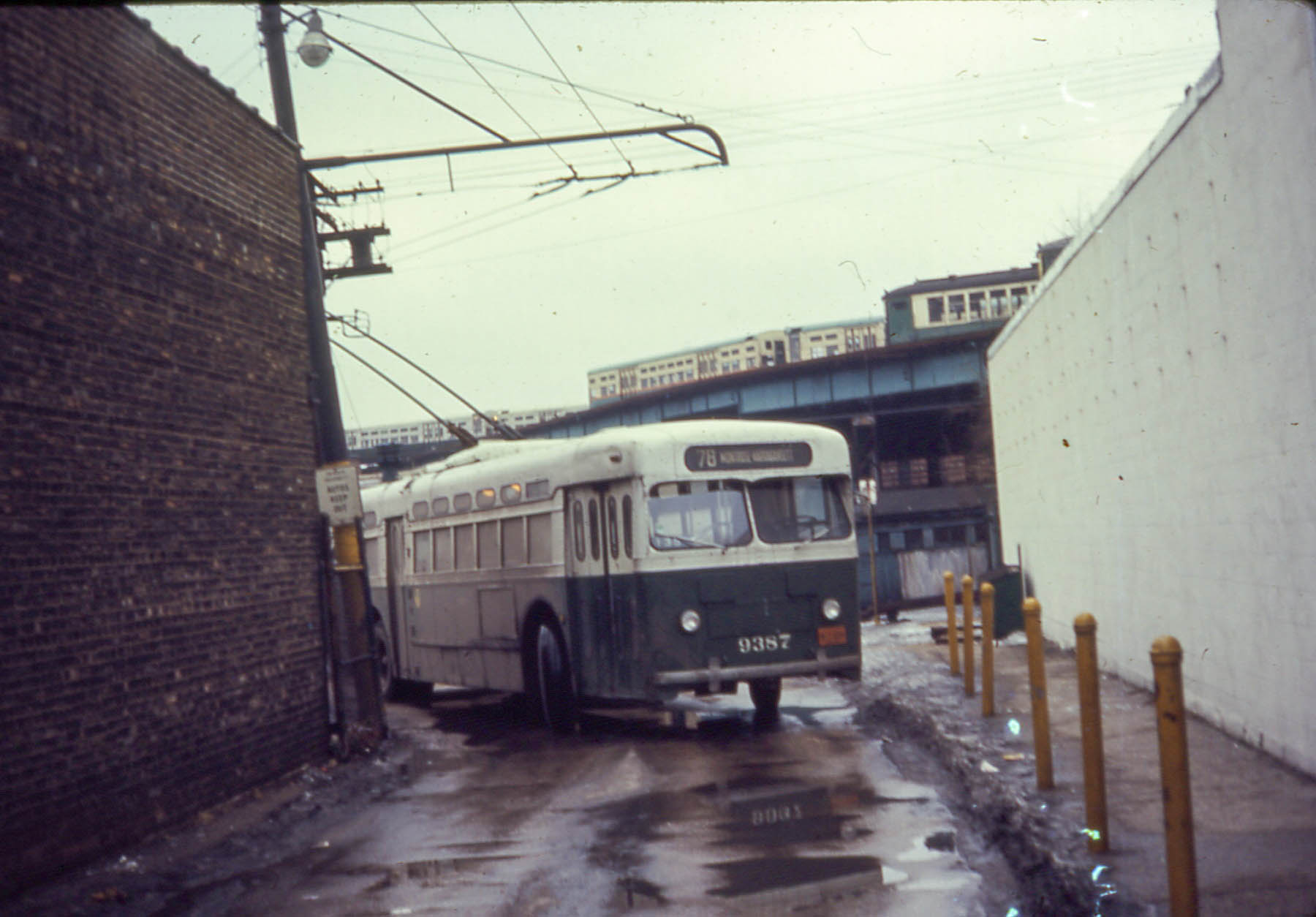
For Chicagoans—including LGBTQ residents who rely on public transportation to move through the city—the Chicago Transit Authority is a central part of the urban landscape. The agency runs the Chicago “L” rapid-transit system and CTA bus service, connecting neighborhoods through a network that has developed over nearly eight decades.
The CTA was created through legislation approved by the Illinois General Assembly on April 12, 1945. The Metropolitan Transportation Act established the agency as an independent governmental body, setting the stage for a unified public transportation system in Chicago.
CTA service began on October 1, 1947. Its first major task was bringing together the transportation properties of two existing systems: the Chicago Rapid Transit Company and the Chicago Surface Lines streetcar network. That combination placed rapid transit and surface transportation under one agency.
The system expanded again in 1952, when the CTA acquired the assets of the Chicago Motor Coach Company. With that purchase, the city’s major public transportation operations were brought into a single organization. The agency’s current role reflects that history: CTA operates both rail and bus service rather than functioning as only a rapid-transit operator.
The CTA is one of three service boards overseen by the Northern Illinois Transit Authority, identified in the research as NITA. The other two are Metra, which provides commuter rail service, and Pace Suburban Bus. Together, the three boards form the region’s broader public transportation structure, while the CTA remains focused on Chicago’s “L” and bus network.
Ridership figures show the scale of that responsibility. In 2025, CTA recorded 319,160,900 rides. By the second quarter of 2026, average weekday ridership was reported at about 1,101,600. Those numbers place the agency among the most consequential public institutions in everyday Chicago life, serving residents and visitors across the city.
For a local LGBTQ-focused newsroom, the CTA’s importance is also practical: public transit is part of the infrastructure through which people reach work, school, health care, cultural spaces, community organizations and one another. The available research does not provide LGBTQ-specific ridership or policy information, but it does establish the CTA’s reach and its long-standing role in Chicago. Understanding how the agency formed helps place current conversations about mobility and access in the context of a system built through successive consolidation and expansion.
Source and reuse information This backgrounder adapts factual material from “Chicago Transit Authority” on Wikipedia: https://en.wikipedia.org/wiki/Chicago_Transit_Authority The adapted text is released under the Creative Commons Attribution-ShareAlike 4.0 International license (CC BY-SA 4.0): https://creativecommons.org/licenses/by-sa/4.0/. This story has not been independently reviewed or fact-checked.
Further links listed by the Wikipedia page (not independently checked): - https://www.ventrachicago.com/faq/ - https://www.youtube.com/watch?v=sGyCzlkI_xw - https://www.youtube.com/CTAConnections - https://www.apple.com/search/?q=cta&sec=iphone - https://www.transitchicago.com/cta-expands-bus-tracker-program/ - https://www.transitchicago.com/mayor-daley-cta-launch-bus-tracking-pilot/ Image rights Photograph description: The #78 Montrose trolley-bus turned around next to the old Wilson Yards rapid transit shop. Creator: David Wilson from Oak Park, Illinois, USA. License: CC BY 2.0 (https://creativecommons.org/licenses/by/2.0). Original image page: https://commons.wikimedia.org/wiki/File%3AChicago_Transit_Authority_Bus_CTA_9387_Montrose_Ave_at_Broadway_1969-01-26_(6894185053).jpg. The image was resized for display; no other changes were made.