Beyond the Bay · Chicago
Dunning: A Northwest Chicago Community Shaped by Institutions and Immigration
Dunning’s history grew from a rural county complex into one of Chicago’s 77 community areas, with a neighborhood identity linked to its railroad depot and immigrant communities.
By KLGBT News Desk ·
Dunning is a community area on Chicago’s northwest side, bordered by Harwood Heights, Norridge, River Grove and Elmwood Park. Today, it is also home to Wilbur Wright College and Mount Olive Cemetery, but the area’s history began with a much different civic role.
In 1851, the Cook County Board of Commissioners selected the rural settlement that would become Dunning as the location for a new county poorhouse and insane asylum. The site developed into a large public complex known as the County Poor Farm. Over time, it included a separate asylum, a potters field, a tuberculosis hospital, a schoolhouse and other buildings needed to support the institutions.
The area’s name came later. In 1865, the Dunning family purchased 120 acres south of the county property. By 1882, county officials had arranged for a train depot to be built on the hospital grounds. A daily train brought supplies directly to the Poor Farm, connecting the isolated complex with the wider region. The depot was named Dunning in recognition of the nearby property owners, and the settlement around it gradually adopted the same name.
That transportation link helped mark a shift in the area’s development. What had been a rural site organized around county institutions became a neighborhood with a clearer connection to Chicago and its surrounding communities. During the early 20th century, Dunning attracted new residents from a number of immigrant backgrounds, including people of Swedish, German and Polish descent.
The neighborhood’s past offers a useful reminder that Chicago’s community areas often developed through overlapping forces: public services, transportation, land ownership and migration. Dunning’s identity was shaped first by the county’s decision to place major institutions there, then by the railroad connection that carried supplies and helped establish a place name.
For Chicago residents exploring the city beyond its downtown landmarks, Dunning provides a look at how a northwest-side community took form. Its present-day institutions sit within a landscape whose name preserves the memory of a local family, while its history reflects the changing uses of land at the city’s edge—from rural settlement and county complex to an established urban community.
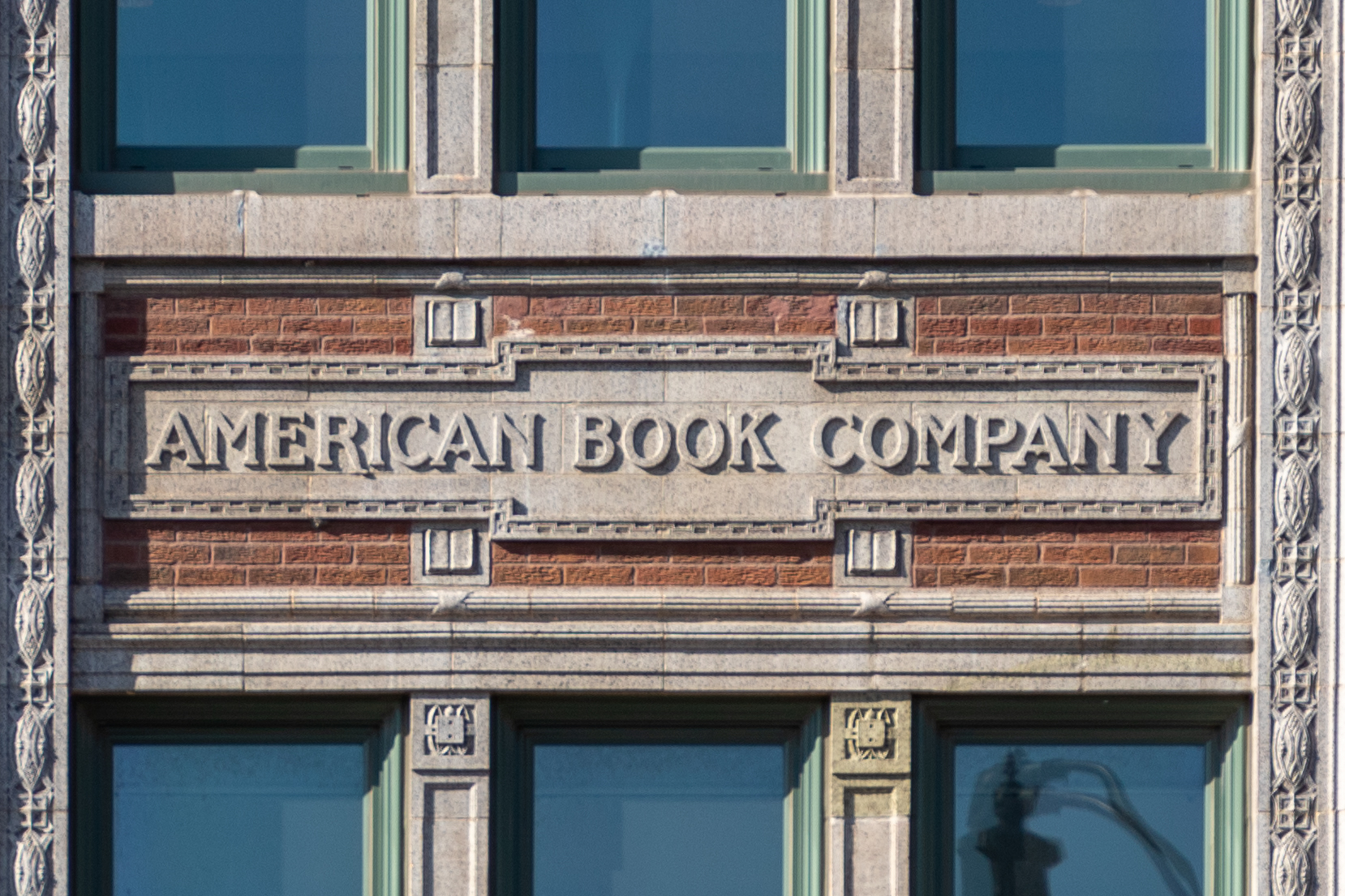
Source and reuse information This backgrounder adapts factual material from “Dunning, Chicago” on Wikipedia: https://en.wikipedia.org/wiki/Dunning,_Chicago The adapted text is released under the Creative Commons Attribution-ShareAlike 4.0 International license (CC BY-SA 4.0): https://creativecommons.org/licenses/by-sa/4.0/. This story has not been independently reviewed or fact-checked.
Further links listed by the Wikipedia page (not independently checked): - https://www.dnainfo.com/chicago/20170228/dunning/sina-drums-25-or-6-to-4-danny-seraphine-just-awesome/ - https://web.archive.org/web/20190507214801/https://www.dnainfo.com/chicago/20170228/dunning/sina-drums-25-or-6-to-4-danny-seraphine-just-awesome/ - https://www.wbez.org/stories/the-story-of-dunning-a-tomb-for-the-living/6d71dc74-bb21-4a25-8980-c2d7a5670b06 - https://web.archive.org/web/20130318055428/http://www.robparal.com/downloads/ACS0509/HistoricalData/Chicago%20Community%20Areas%20Historical%20Data.htm - https://web.archive.org/web/20190507214811/http://oururbantimes.com/cultureshistory/polands-parliamentary-elections-include-chicago-candidate-and-votes - https://www.hmdb.org/m.asp?m=245999 Image rights Photograph description: American Book Company Building. Constructed: 1912. Architect: Nelson Max Dunning. Designated a Chicago landmark July 29, 2009. Creator: Paul R. Burley. License: CC BY-SA 4.0 (https://creativecommons.org/licenses/by-sa/4.0). Original image page: https://commons.wikimedia.org/wiki/File%3AAmerican_Book_Company_Building_Chicago_2021-3247.jpg. The image was resized for display; no other changes were made.