Beyond the Bay · Cleveland
Cleveland Crime Family: A Backgrounder on Power, Labor and Racketeering
The Cleveland crime family’s history is marked by shifting leadership, organized labor influence and a violent struggle over the city’s criminal rackets in the 1970s.
By KLGBT News Desk ·
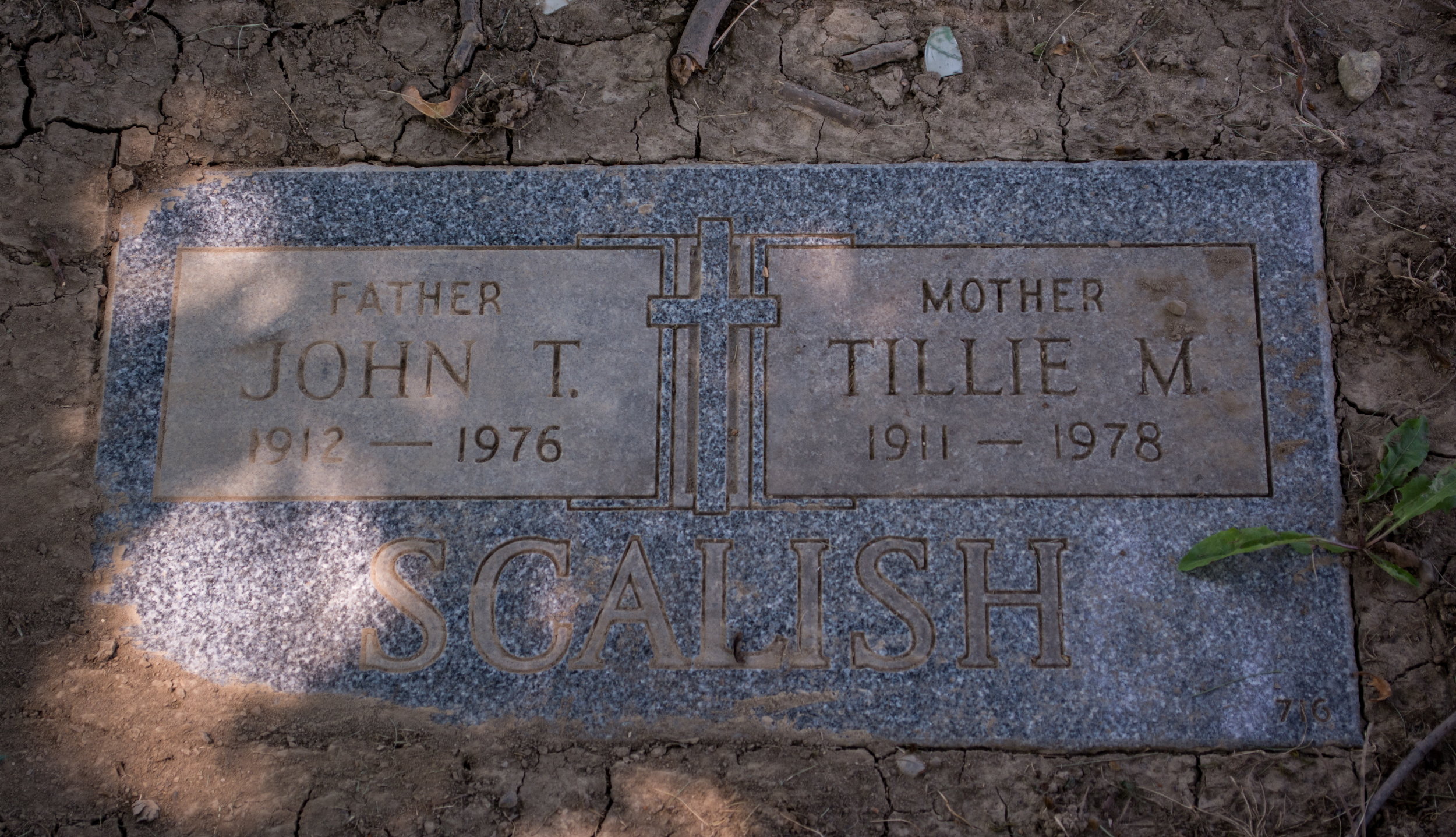
The Cleveland crime family, also called the Scalish crime family or the Cleveland Mafia, is described as an Italian American organized-crime group based in Cleveland and the wider Greater Cleveland area. Its history began during the 1900s and was shaped early on by repeated contests for control, including power grabs and assassinations that caused leadership to change frequently.
A period of greater stability began in 1930, when Frank Milano became boss. The organization later reached its greatest influence under John T. Scalish, who led the family from 1945 until his death in 1976. During Scalish’s tenure, the group was connected to the International Brotherhood of Teamsters and benefited from labor racketeering. It also profited by skimming revenue from casinos in Las Vegas.
The family’s membership was at its highest level during the 1950s, when it included about 60 made members. That figure provides a measure of the organization’s reported size at the time, though the extract does not offer a broader accounting of associates, affiliates or people affected by its activities.
Scalish’s death created a succession crisis. He died unexpectedly during heart surgery in 1976 without naming a replacement, and the organization subsequently entered a period of turmoil. James T. Licavoli became boss, but control of Cleveland’s criminal rackets was challenged during a violent gang war in the late 1970s.
The challenge came from Danny Greene, an Irish mobster who attempted to take over those rackets. Licavoli responded by hiring Ray Ferritto, identified in the source as a hitman, to kill Greene. The supplied account says that several attempts failed, but it ends before describing what happened afterward.
Taken together, the account presents the Cleveland family as an organization whose power depended on both internal leadership and connections to wider criminal and labor networks. Its local significance in the source comes from its base in Cleveland, its reach across Greater Cleveland and the succession conflict that turned into a violent struggle over the city’s underworld. The extract does not provide information about the family’s later history, present-day status or effects on Cleveland communities beyond the activities described here.
Source and reuse information This automatically generated backgrounder adapts text from “Cleveland crime family” on Wikipedia: https://en.wikipedia.org/wiki/Cleveland_crime_family The adapted text is released under the Creative Commons Attribution-ShareAlike 4.0 International license (CC BY-SA 4.0): https://creativecommons.org/licenses/by-sa/4.0/. The source article’s linked references are provided below where available. This story has not been independently reviewed or fact-checked.
Further links listed by the Wikipedia page (not independently checked): - https://web.archive.org/web/20070708205903/http://www.freetimes.com/stories/15/9/the-mafia-plot-to-kill-dennis-kucinich - https://www.upi.com/Archives/1986/01/23/Reputed-mob-figure-Milton-Rockman-who-was-held-without/5789506840400/ - https://clevelandmagazine.com/entertainment/film-tv/articles/the-life-and-hard-times-of-cleveland's-mafia-how-danny-greene's-murder-exploded-the-godfather-myth - https://archive.org/details/raiseditalianame00jose - https://books.google.com/books?id=BuzNzm-x0l8C - https://books.google.com/books?id=lI7qedvddcYC Image rights Photograph description: Headstone of John T. Scalish at Calvary Cemetery in Cleveland, Ohio, in the United States. Scalish was the reputed boss of the Cleveland Crime Family from 1945 to 1976. Creator: Tim Evanson. License: CC BY-SA 2.0 (https://creativecommons.org/licenses/by-sa/2.0). Original image page: https://commons.wikimedia.org/wiki/File%3AJohn_Scalish_headstone_-_Calvary_Cemetery.jpg. The image was resized for display; no other changes were made.