Culture · Columbus
Columbus College of Art & Design: A Downtown Institution With 19th-Century Roots
Founded in 1879 as the Columbus Art School, Columbus College of Art & Design grew from an effort led by women who wanted to establish an art school in the city.
By KLGBT News Desk ·
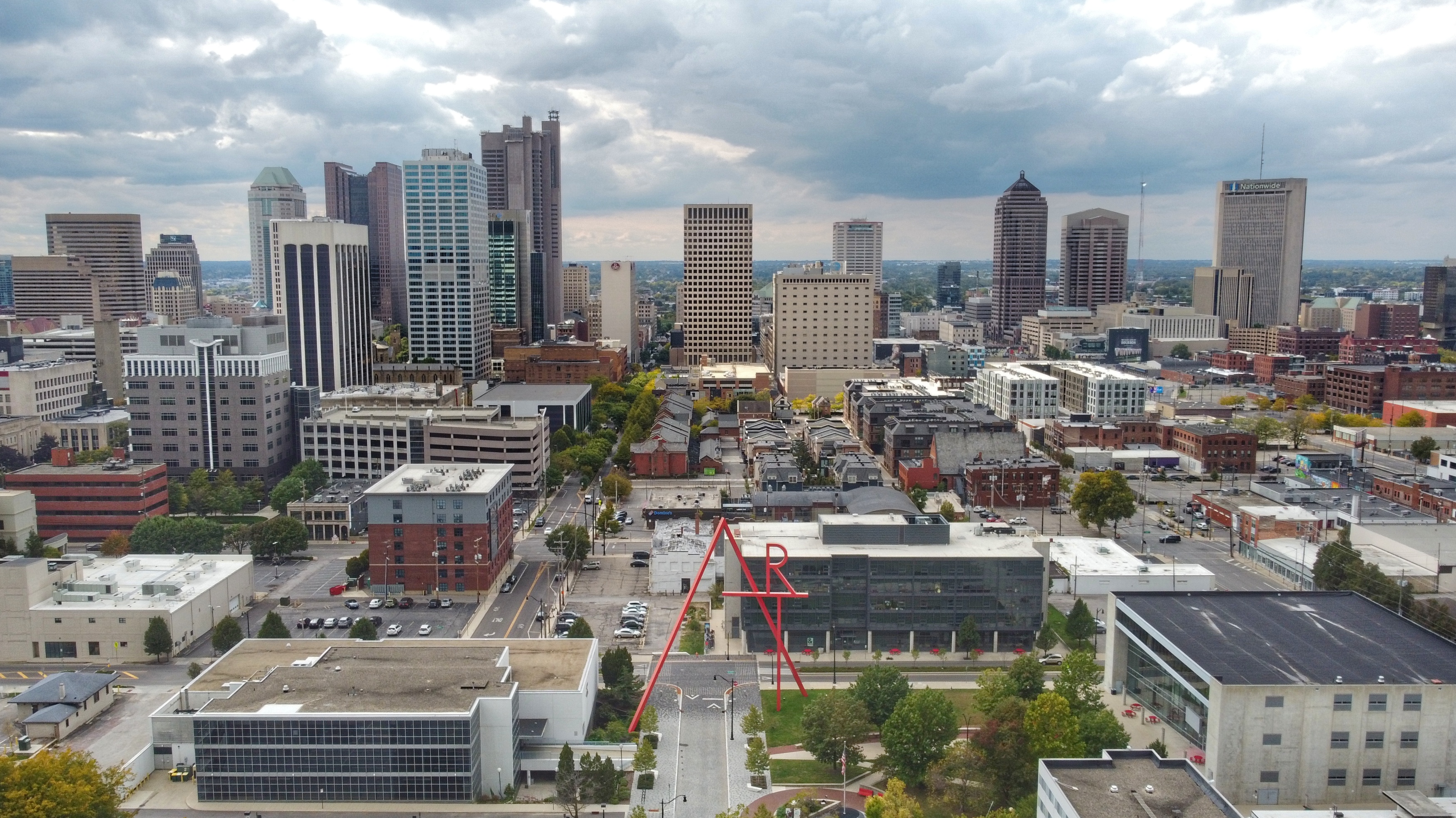
Columbus College of Art & Design traces its history to a group of women who organized the Columbus Art Association in 1878. Their central goal was to create an art school in Columbus, an effort that led to the opening of the Columbus Art School the following year.
The school’s first classes were held on January 6, 1879, on the top floor of the Sessions Building at Long and High. The space was donated by Francis Sessions, a banker and entrepreneur who was also among the original trustees of the Columbus Gallery of Fine Arts. Three students and one teacher attended on the first day. By the end of that academic year, enrollment had grown to 118 students.
The early curriculum covered a broad range of creative and technical subjects. Students could study drawing, watercolor, oil painting, clay modeling, china painting, art needlework and mechanical subjects. The range of offerings reflected an institution that was designed to provide formal instruction across multiple areas of art and making, rather than focusing on a single discipline.
The school is now known as Columbus College of Art & Design, or CCAD. It is a private art school in downtown Columbus and is described as one of the oldest private art and design colleges in the United States. Its location places the campus next to the Columbus Museum of Art, linking the college to one of the city’s established cultural institutions.
CCAD’s campus includes 11 buildings across 9 acres. Two of those buildings are residence halls. Approximately 900 full-time students are enrolled, giving the school a substantial presence in the downtown area while retaining the specialized focus of an art and design college.
For Columbus, the institution’s history offers a window into how local cultural education developed in the late 19th century. Its beginnings were modest: a donated floor, one instructor and three students. The school’s expansion from those first classes into a multi-building downtown campus is the clearest through line in the history supplied here.
CCAD’s origins also place women’s civic organizing at the start of the institution’s story. The Columbus Art Association’s decision to prioritize an art school helped establish an educational organization that has remained part of the city’s cultural landscape for more than a century. Today, the college’s identity combines that long history with its downtown campus, proximity to the art museum and enrollment of roughly 900 full-time students.
Source and reuse information This automatically generated backgrounder adapts text from “Columbus College of Art and Design” on Wikipedia: https://en.wikipedia.org/wiki/Columbus_College_of_Art_and_Design The adapted text is released under the Creative Commons Attribution-ShareAlike 4.0 International license (CC BY-SA 4.0): https://creativecommons.org/licenses/by-sa/4.0/. The source article’s linked references are provided below where available. This story has not been independently reviewed or fact-checked.
Further links listed by the Wikipedia page (not independently checked): - https://www.jstor.org/action/doBasicSearch?Query=%22Columbus+College+of+Art+and+Design%22&acc=on&wc=on - https://viaf.org/viaf/147840477 - https://isni.org/isni/0000000121802852 - https://id.loc.gov/authorities/n87147961 - https://geohack.toolforge.org/geohack.php?pagename=Columbus_College_of_Art_and_Design¶ms=39.964895_N_82.989983_W_region:US-OH_type:edu - https://www.google.com/search?as_eq=wikipedia&q=%22Columbus+College+of+Art+and+Design%22 Image rights Photograph description: Image of Columbus, Ohio. Creator: Jsjessee. License: CC BY-SA 2.0 (https://creativecommons.org/licenses/by-sa/2.0). Original image page: https://commons.wikimedia.org/wiki/File%3AColumbus%2C_Ohio_JJ_13.jpg. The image was resized for display; no other changes were made.