Culture · Columbus
German Village: How Columbus’s Old South End Became a Historic District
South of downtown, German Village reflects the lasting influence of German immigration on Columbus and the city’s long-running investment in preservation.
By KLGBT News Desk ·
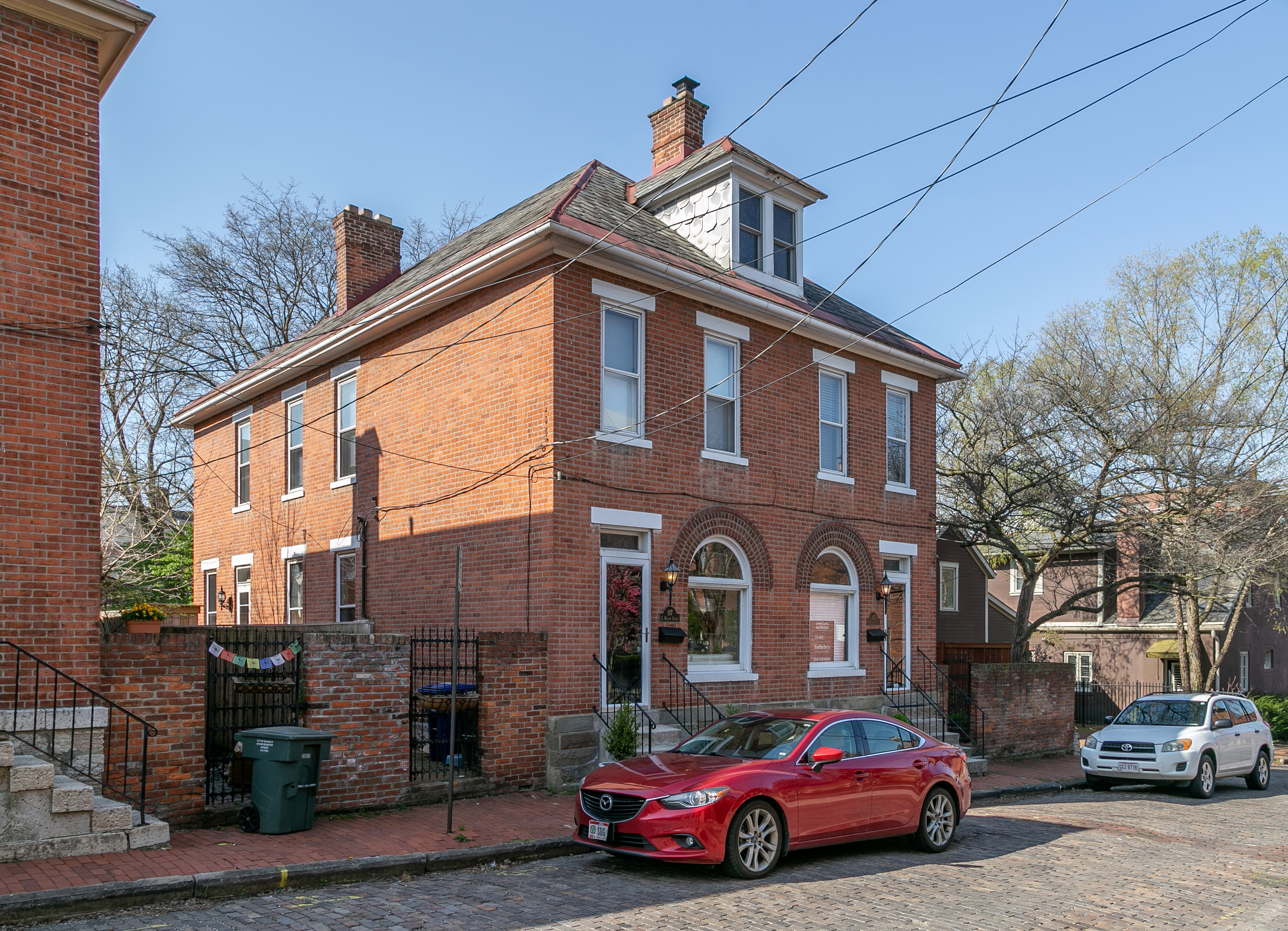
German Village is a historic Columbus neighborhood immediately south of downtown. Its identity grew from the arrival of German immigrants during the early and middle parts of the 19th century, when German residents made up as much as one-third of the city’s population at one point.
The area began taking shape on land claimed by John McGowan, an American Revolution veteran. In 1802, McGowan claimed 328 acres, covering much of the area that would later become German Village. As German immigrants came to Columbus, he sold portions of that property to them.
By 1814, a settlement had developed in the area. Its early name, Das Alte Südende, referred to its location as the Old South End. German immigrants also helped construct Columbus’s first statehouse, linking the neighborhood’s early history to the development of the city and state around it.
German Village’s story is also one of organized preservation. Columbus designated it a city historic district in 1960. Fourteen years later, the neighborhood was placed on the National Register of Historic Places. According to the supplied history, it became the largest privately funded preservation district on that list.
The district’s boundaries were expanded in 1980. In 2007, the federal government designated German Village a Preserve America Community, adding a national preservation designation to the neighborhood’s local and National Register status.
Those milestones help explain why German Village is often understood through its built environment as much as through its founding population. The neighborhood represents a period when immigration reshaped Columbus, while its preservation history shows how residents and institutions later worked to maintain that legacy.
For Columbus residents, German Village is therefore more than a collection of historic buildings. It is a place where the city’s immigrant history, civic growth and preservation movement overlap. Its location near downtown makes that history part of the everyday geography of the city, while its protected status has helped sustain the neighborhood’s historic character.
The neighborhood is now described in the source material as one of the world’s premier historic restorations. That reputation rests on a history stretching from German settlement in the 19th century to decades of local, national and federal recognition. German Village remains a useful lens for understanding how Columbus remembers its past—and how preservation can shape the identity of a living urban neighborhood.
Source and reuse information This automatically generated backgrounder adapts text from “German Village” on Wikipedia: https://en.wikipedia.org/wiki/German_Village The adapted text is released under the Creative Commons Attribution-ShareAlike 4.0 International license (CC BY-SA 4.0): https://creativecommons.org/licenses/by-sa/4.0/. The source article’s linked references are provided below where available. This story has not been independently reviewed or fact-checked.
Further links listed by the Wikipedia page (not independently checked): - https://www.youtube.com/watch?v=GSfmSejfv8s - https://www.youtube.com/watch?v=ir3CSBvhj2g - https://www.youtube.com/watch?v=Uh00R7cXgV0 - https://web.archive.org/web/20141014235358/http://www.touring-ohio.com/central/columbus/brewery-district.html - https://web.archive.org/web/20101126143536/http://maxandermas.com/misc/our_memories.asp - https://web.archive.org/web/20060509045232/http://www.germanvillage.com/timeline/1960_1990.htm Image rights Photograph description: Photograph taken in Franklin County, Ohio. See categories for more information. Creator: Pythaglio. License: CC BY-SA 2.0 (https://creativecommons.org/licenses/by-sa/2.0). Original image page: https://commons.wikimedia.org/wiki/File%3ADuplex_%E2%80%94_German_Village%2C_Columbus%2C_Ohio.jpg. The image was resized for display; no other changes were made.