LGBTQ+ · Detroit
Jeffrey Montgomery’s Detroit Legacy of LGBTQ+ Anti-Violence Advocacy
Jeffrey Montgomery turned personal loss in Detroit into decades of work on LGBTQ+ safety, civil rights and public education.
By KLGBT News Desk ·
Jeffrey Montgomery’s path into LGBTQ+ advocacy began with a murder in Detroit. In 1984, his partner, Michael, was shot and killed outside a Detroit gay bar. Montgomery became involved in anti-violence work after learning that police were devoting few resources to solving the case. That experience shaped a career focused on how LGBTQ+ victims and their families were treated by law enforcement and other institutions.
Montgomery was born in Detroit on May 9, 1953, and grew up in nearby Grosse Pointe. He attended Grosse Pointe South High School, where he graduated in 1971 after serving as student body president. His father, John Montgomery, was a public relations executive at Chrysler. Montgomery later worked as a public relations executive himself, combining communications experience with advocacy.
In 1991, Montgomery became the founding executive director of the Triangle Foundation. He remained in that position until September 2007. The organization’s early work centered on supporting victims of LGBTQ+ violence and pressing for better handling of cases involving LGBTQ+ people. Over time, its agenda broadened to include civil rights advocacy and public education.
That expanded work included anti-violence programs, media activism and legislative education concerning LGBTQ+ civil rights. Through those efforts, Montgomery helped connect local concerns about violence and policing with broader debates over equality and public policy. His work also brought national attention, and he served with numerous organizations, according to the supplied biographical account.
Montgomery died on July 18, 2016. His biography links his public work directly to Detroit: a killing outside a local gay bar became the catalyst for sustained organizing around safety, institutional responsibility and LGBTQ+ rights. The Triangle Foundation, which he led for more than 15 years, provided an organizational home for that work as it developed from victim advocacy into a wider civil rights effort.
For Detroit’s LGBTQ+ history, Montgomery represents a bridge between personal experience and organized advocacy. His story illustrates how concerns about the investigation of one act of violence grew into campaigns addressing media representation, legislative education and the treatment of LGBTQ+ cases more broadly. It also places Detroit at the center of his public life, from his birth and upbringing to the event that prompted his activism and the foundation he helped establish.
Source and reuse information This automatically generated backgrounder adapts text from “Jeffrey Montgomery” on Wikipedia: https://en.wikipedia.org/wiki/Jeffrey_Montgomery The adapted text is released under the Creative Commons Attribution-ShareAlike 4.0 International license (CC BY-SA 4.0): https://creativecommons.org/licenses/by-sa/4.0/. The source article’s linked references are provided below where available. This story has not been independently reviewed or fact-checked.
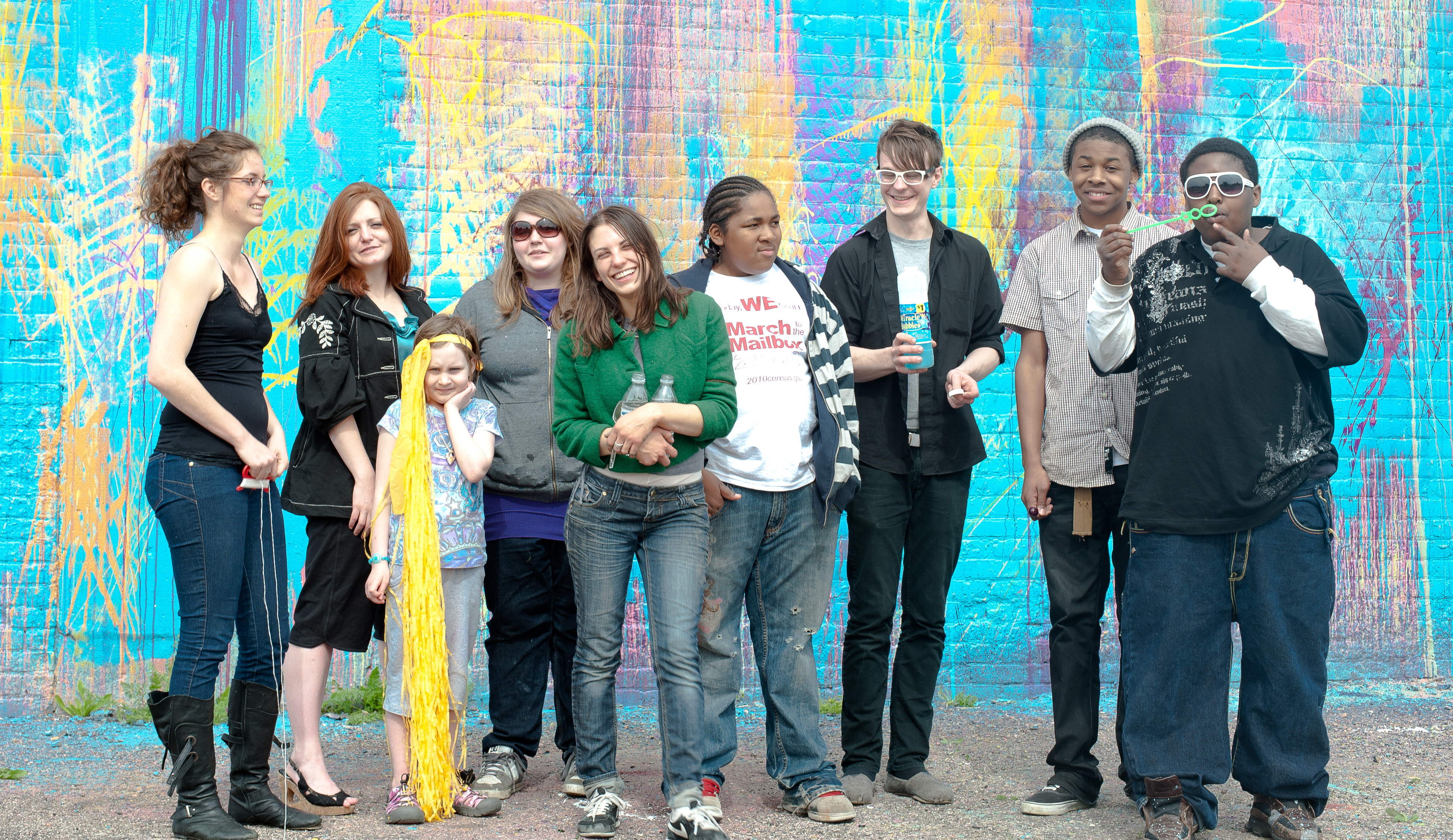
Further links listed by the Wikipedia page (not independently checked): - https://www.newspapers.com/clip/5939540/detroit_free_press/ - https://www.newspapers.com/clip/5941119/detroit_free_press/ - https://www.newspapers.com/clip/5941167/detroit_free_press/ - https://www.newspapers.com/clip/5941208/detroit_free_press/ - https://www.newspapers.com/clip/5941250/detroit_free_press/ - https://www.newspapers.com/clip/5942311/detroit_free_press/ Image rights Photograph description: East Grand Boulevard Artist Community Creator: Dig Downtown Detroit. License: CC BY 2.0 (https://creativecommons.org/licenses/by/2.0). Original image page: https://commons.wikimedia.org/wiki/File%3AEast_Grand_Boulevard_Artist_Community_(4615033477).jpg. The image was resized for display; no other changes were made.