Culture · Las Vegas
The World Fighting Alliance brought a nightclub atmosphere to Las Vegas MMA
The Las Vegas-based World Fighting Alliance emerged during the early period of state-sanctioned mixed martial arts, pairing fight promotion with the energy and aesthetics of a nightclub.
By KLGBT News Desk ·
The World Fighting Alliance was a Las Vegas-based mixed martial arts promotion that developed after the Nevada State Athletic Commission began sanctioning the sport. Its identity was shaped not only by the fights themselves, but also by an effort to make the events feel like nightlife entertainment.
The organization was led by a team with experience spanning combat sports, clubs and business. MMA figure and trainer John Lewis handled promotion and matchmaking. John Huntington, a nightclub operator and promoter associated with Club Rubber, served as producer, while lawyer Louis Palazzo was involved as an investor.
In Las Vegas, the WFA positioned itself as an alternative to the Ultimate Fighting Championship, which the source describes as a rival promotion operating in the same market. Rather than presenting its shows solely as athletic contests, the WFA incorporated elements associated with clubs: loud music, guest performers, dancers and ring-card personnel. The events could therefore function as a hybrid of fight night and nightlife, reflecting Las Vegas’s entertainment-centered identity.
The production included musical appearances by performers such as Ice-T. Between bouts, the program featured go-go dancers, while ring girls appeared during rounds. Those choices were part of the promotion’s deliberate presentation and helped distinguish it from a more conventional sporting event.
That approach also created tensions around how the shows were managed and covered. At one event held at Level 3, venue security removed credentialed photographers from their assigned areas and moved them to locations where, according to the source, they could not obtain acceptable images. The disruption affected more than the photographers themselves. Some writers had to leave their reporting responsibilities to locate their colleagues, and some editors reacted negatively to the treatment of the press.
The incident damaged the promotion’s reputation, underscoring a challenge for an entertainment company built around spectacle: the atmosphere surrounding an event can become as consequential as the competition in the ring. For Las Vegas, the WFA is a notable example of how mixed martial arts promotions sought to connect with the city’s club and performance culture while the sport was gaining a sanctioned foothold in Nevada.
Source and reuse information This automatically generated backgrounder adapts text from “World Fighting Alliance” on Wikipedia: https://en.wikipedia.org/wiki/World_Fighting_Alliance The adapted text is released under the Creative Commons Attribution-ShareAlike 4.0 International license (CC BY-SA 4.0): https://creativecommons.org/licenses/by-sa/4.0/. The source article’s linked references are provided below where available. This story has not been independently reviewed or fact-checked.
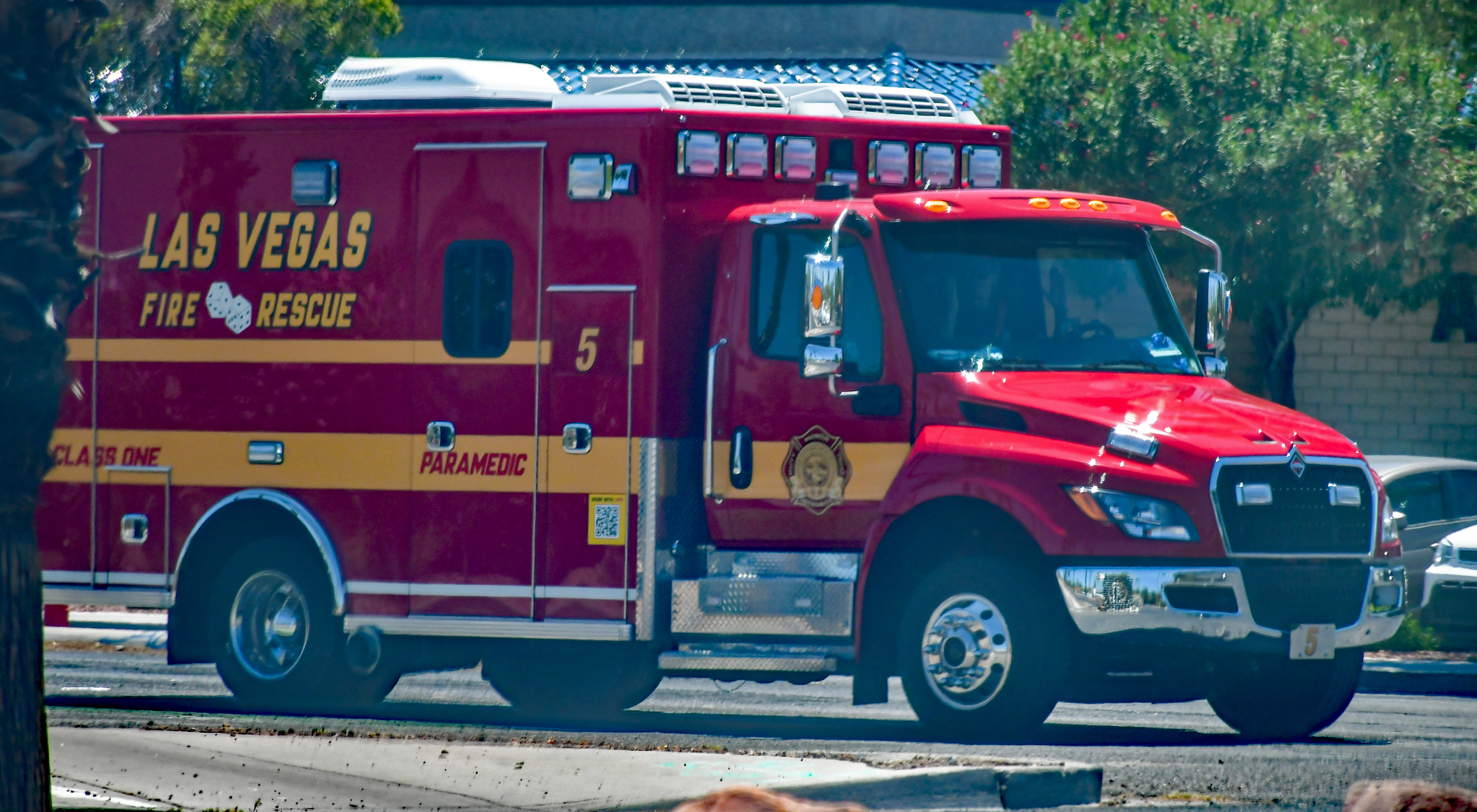
Further links listed by the Wikipedia page (not independently checked): - https://web.archive.org/web/20090710033545/http://www.pridefc.com/pride2005/index.php?mainpage=news&news_id=889 - https://www.fcfighter.com/wfa3-problems.htm - https://www.sherdog.com/news/articles.asp?n_id=6308 - https://www.sherdog.com/news/articles.asp?n_id=6344 - https://www.sherdog.com/videos/videos.asp?v_id=798 Image rights Photograph description: Las Vegas Fire & Rescue (LVFR) is responsible for providing fire and emergency medical services to the city of Las Vegas, Nevada. LVFR has a rich history, evolving from a volunteer fire company in 1906 to a full-time department with 745 employees today. The department currently operates 21 stations, including 21 paramedic engine companies, six ladder truck companies, 24 paramedic rescue units, a t Creator: Tomás Del Coro from Fabulous Las Vegas, Nevada, USA. License: CC BY-SA 4.0 (https://creativecommons.org/licenses/by-sa/4.0). Original image page: https://commons.wikimedia.org/wiki/File%3ALas_Vegas_Fire_Rescue_Paramedic_5_(54673556424).jpg. The image was resized for display; no other changes were made.