LGBTQ+ · Los Angeles
Black Cat Tavern: A Silver Lake Site of Early LGBTQ+ Resistance
The Black Cat Tavern in Silver Lake became the setting for one of the earliest documented demonstrations in the United States against police brutality targeting LGBTQ+ people.
By KLGBT News Desk ·
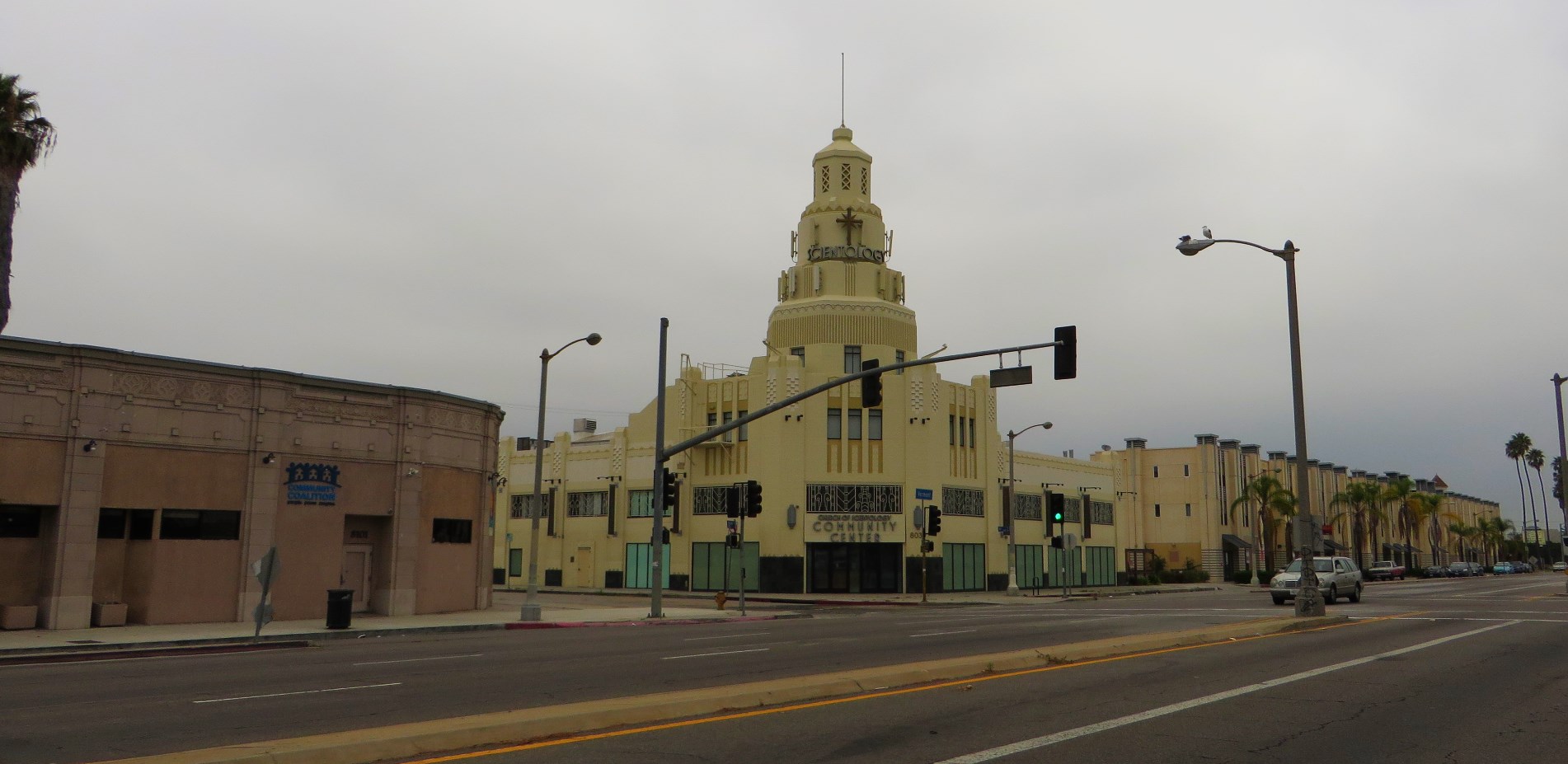
The Black Cat Tavern is a historic gay bar in Silver Lake and a significant site in Los Angeles LGBTQ+ history. Its importance is tied to a New Year’s celebration in 1967, when police action at the tavern prompted a public demonstration against brutality toward LGBT people.
The bar opened in November 1966 in a two-unit building that it shared with a laundromat. Its clientele was described as primarily blue-collar or working class, placing the tavern within a neighborhood social world that was broader than an exclusive nightlife venue. The Black Cat soon became associated with a confrontation that would give it a lasting place in the history of LGBTQ+ protest.
On January 1, 1967, several Los Angeles Police Department officers entered the tavern in plain clothes during its New Year’s celebration. The account in the supplied historical material describes a festive scene before the officers intervened. Police arrested several patrons for kissing as they celebrated, then beat patrons inside the bar. Fourteen patrons were ultimately arrested on allegations of assault and public lewdness. Two bartenders were beaten unconscious, while two patrons escaped.
The arrests and violence led to a demonstration at the Black Cat. The protest is described as one of the first demonstrations in the United States to challenge police brutality against LGBT people. It took place more than two years before the Stonewall riots, establishing the Silver Lake tavern as an important early setting for organized resistance to police treatment of LGBTQ+ people.
The episode also illustrates how LGBTQ+ history can be rooted in ordinary gathering places. The Black Cat was a neighborhood bar in a building shared with a laundromat, not simply a political institution. Its patrons had gathered for a holiday celebration when undercover officers’ intervention transformed the evening into a confrontation involving arrests, physical violence and public protest.
Today, the Black Cat’s historical significance rests on that connection between community life and political action. The tavern’s story centers on people asserting their right to celebrate and gather without being targeted for same-sex affection. In Los Angeles, that history places Silver Lake within the national chronology of LGBTQ+ resistance, while preserving the local setting where an early protest against police brutality took shape.
Source and reuse information This automatically generated backgrounder adapts text from “Black Cat Tavern” on Wikipedia: https://en.wikipedia.org/wiki/Black_Cat_Tavern The adapted text is released under the Creative Commons Attribution-ShareAlike 4.0 International license (CC BY-SA 4.0): https://creativecommons.org/licenses/by-sa/4.0/. The source article’s linked references are provided below where available. This story has not been independently reviewed or fact-checked.
Further links listed by the Wikipedia page (not independently checked): - https://web.archive.org/web/20080518032727/http://www.camprehoboth.com/issue09_14_07/past_out.htm - https://thepridela.com/2016/09/los-angeles-cooper-donuts-gay-riots-sparked-revolution-10-years-stonewall/ - https://web.archive.org/web/20100609160708/http://www.preservation.lacity.org/monuments - https://web.archive.org/web/20140511001046/http://www.tangentgroup.org/history/Timeline/Timeline1961.html - https://web.archive.org/web/20150427062657/http://www.tangentgroup.org/history/BlackCat.html - https://www.latimes.com/opinion/op-ed/la-oe-jean-pride-lgbt-history-los-angeles-20190623-story.html Image rights Photograph description: Vermont Avenue is one of the longest running north/south streets in Los Angeles and Los Angeles County, California — with a length of 23.3 miles (37.5 km). Located just west of the Harbor Freeway (I-110) for the major portion south of Downtown Los Angeles, it starts in Griffith Park at the Greek Theatre in the Los Feliz neighborhood as a one-lane divided road (it is known as Vermont Canyon Road no Creator: Ken Lund from Reno, Nevada, USA. License: CC BY-SA 2.0 (https://creativecommons.org/licenses/by-sa/2.0). Original image page: https://commons.wikimedia.org/wiki/File%3AChurch_of_Scientology_Community_Center%2C_Vermont_Avenue%2C_Los_Angeles%2C_California_(14516665202).jpg. The image was resized for display; no other changes were made.