Culture · Los Angeles
How Studio City Got Its Name—and the Land History Beneath It
Studio City’s identity is tied to a film lot established in 1927, but the Los Angeles neighborhood’s story reaches back through Mexican land grants, failed agricultural development, and the arrival of imported water.
By KLGBT News Desk ·
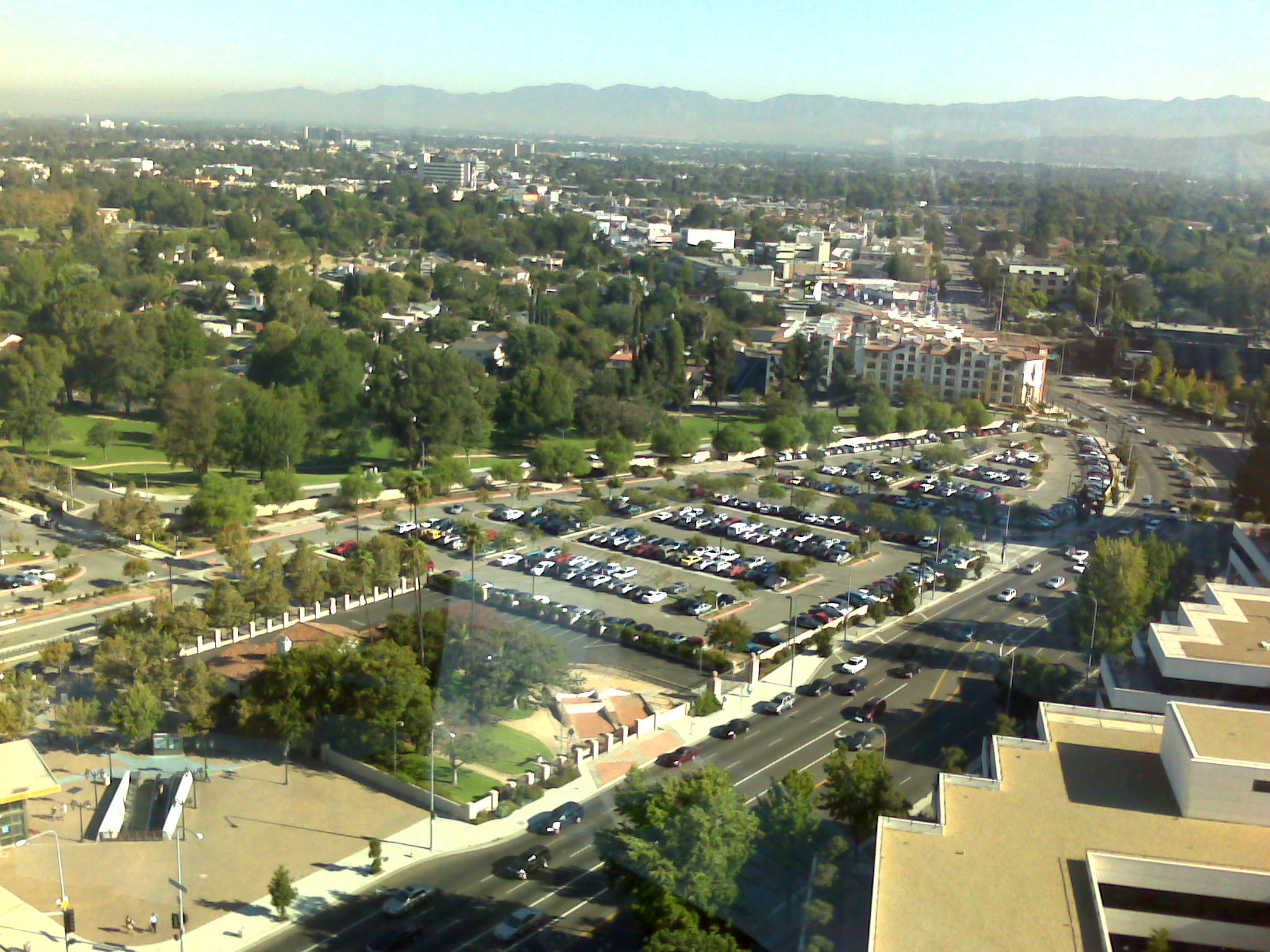
Studio City’s name points directly to the neighborhood’s connection with filmmaking. The southeast San Fernando Valley community, located just west of the Cahuenga Pass, takes its name from a studio lot established there in 1927 by film producer Mack Sennett. That property is now known as Radford Studio Center.
The name is relatively modern, but the land’s history stretches much further back. Before it became Studio City, the area was known as Laurelwood and formed part of Rancho Ex-Mission San Fernando. The rancho was a Mexican land grant covering 116,858 acres in what is now Los Angeles County. In 1846, California Governor Pío Pico granted the property to Eulogio F. de Celis.
Ownership changed several times during the late 19th century. The land eventually came under the control of James Boon Lankershim and eight other developers, who formed the Lankershim Ranch Land and Water Company. Their plans faced a major obstacle in 1899, when the area lost most of its water rights to Los Angeles. Without a reliable water supply, subdividing the land and selling it for farming became impractical.
That situation began to change with the construction of the Los Angeles Aqueduct, which started in 1908. Water reached the San Fernando Valley in November 1913, helping fuel a new real-estate boom. The valley’s transformation from land tied to ranching and agricultural plans into a community associated with the entertainment industry followed this larger shift in Los Angeles infrastructure and development.
For residents and visitors, Studio City’s name can make the neighborhood seem defined by the studio lot alone. Its history is more layered. The community sits within a landscape shaped by Indigenous and Mexican-era land history, private development, water policy, and the city’s expanding reach. The arrival of a film studio in 1927 added the identity that remains most visible in the neighborhood’s name.
That combination gives Studio City a distinctive place in Los Angeles history: a neighborhood whose public identity is rooted in entertainment, while its physical development depended on decisions about land ownership and water. The studio connection is not an isolated origin story; it is one chapter in the longer process that reshaped the southeast San Fernando Valley.
Source and reuse information This backgrounder adapts factual material from “Studio City, Los Angeles” on Wikipedia: https://en.wikipedia.org/wiki/Studio_City,_Los_Angeles The adapted text is released under the Creative Commons Attribution-ShareAlike 4.0 International license (CC BY-SA 4.0): https://creativecommons.org/licenses/by-sa/4.0/. This story has not been independently reviewed or fact-checked.
Further links listed by the Wikipedia page (not independently checked): - https://digital.lib.washington.edu/architect/architects/239/ - https://www.youtube.com/watch?v=UVYO6aRWIDg - https://books.google.com/books?id=aQRM1yBVkjAC&pg=PA84 - https://books.google.com/books?id=7QsOn9_NviAC&pg=PA642 - https://www.nytimes.com/2006/12/19/arts/19barbera.html?scp=1&sq=Joseph%20Barbera,%20Half%20of%20Cartoon%20Duo,%20Dies%20at%2095%20-%20New%20York%20Times&st=cse - https://www.nytimes.com/2008/01/17/arts/17candoli.html?_r=1&scp=1&sq=Pete+Candoli&oref=slogin Image rights Photograph description: View from 10 UCP, Universal Studios Los Angeles Creator: quantizationbit. License: CC BY 3.0 (https://creativecommons.org/licenses/by/3.0). Original image page: https://commons.wikimedia.org/wiki/File%3AView_from_10_UCP%2C_Universal_Studios_Los_Angeles_-_panoramio.jpg. The image was resized for display; no other changes were made.