LGBTQ+ · Los Angeles
Jeanne Córdova’s Los Angeles Roots and a Life of Lesbian Activism
From La Puente classrooms to community work in Watts and East Los Angeles, Jeanne Córdova helped shape the West Coast LGBTQ movement through journalism, organizing, and memoir.
By KLGBT News Desk ·
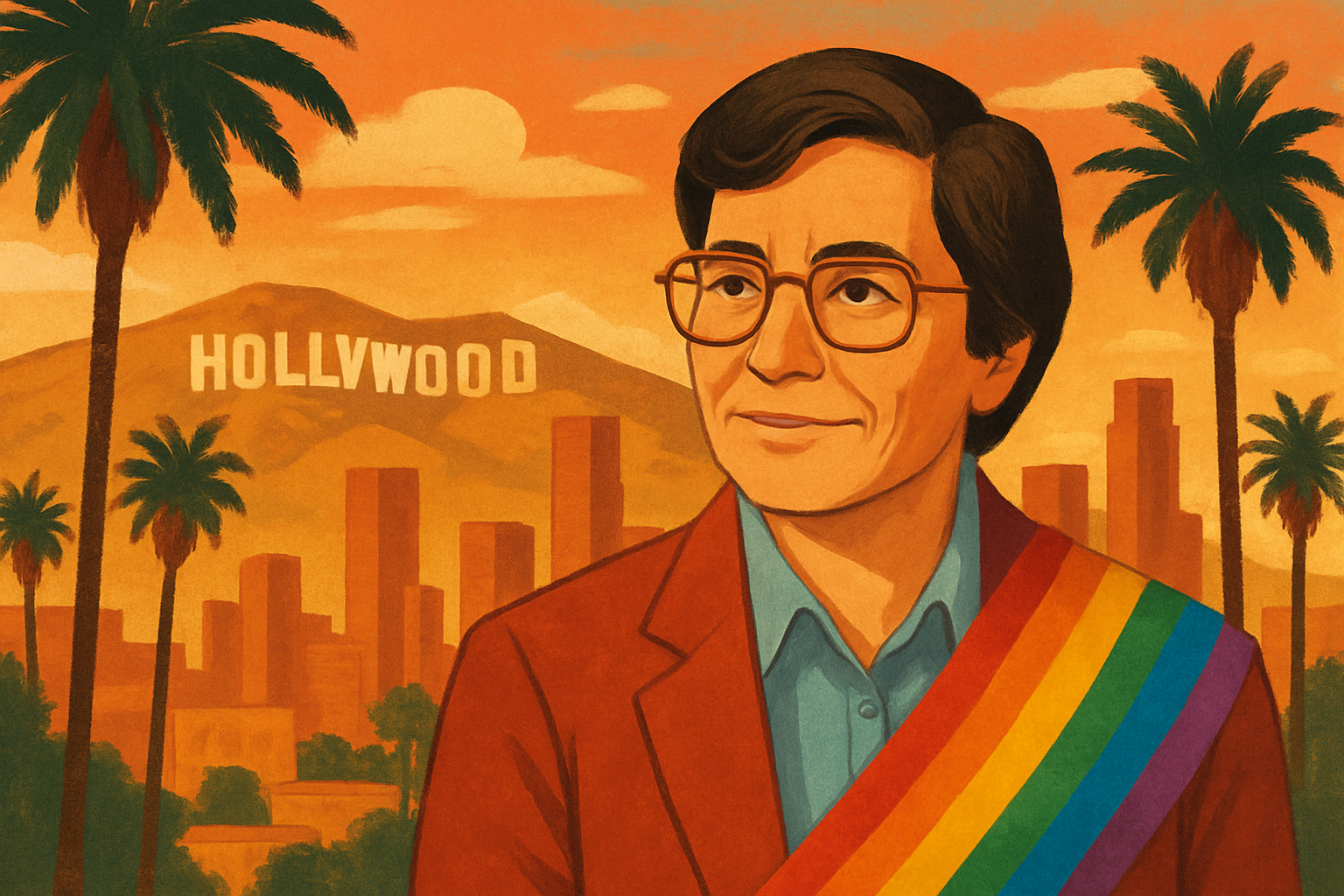
Jeanne Córdova’s influence on LGBTQ life in Los Angeles began with the communities and institutions that shaped her own early years. Born in Bremerhaven, Germany, in 1948, Córdova was the second-oldest of twelve children in a family with a Mexican father and an Irish-American mother. She later attended Bishop Amat High School in La Puente, placing her formative years in the region east of Los Angeles.
Her education continued at California State University, Los Angeles, and UCLA, where she graduated cum laude with a bachelor’s degree in social welfare. During her training, she interned in the African American and Latino communities of Watts and East Los Angeles. That work connected her academic path to neighborhoods whose histories and political realities were central to Los Angeles—and to the broader questions of race, gender, sexuality, and social justice that informed her activism.
Córdova became a prominent figure in the second-wave feminist and lesbian rights movements. A former Catholic nun, she went on to describe herself as a butch lesbian and built a public life around organizing, reporting, and advocacy. She founded The Lesbian Tide, a publication associated with the growth of lesbian political and cultural organizing, and is recognized as one of the founders of the West Coast LGBT movement.
Her work was not limited to activism in the streets or inside movement organizations. Córdova was also a journalist and prolific writer, using publishing as a way to document lesbian life and political struggle. Her memoir, When We Were Outlaws: A Memoir of Love and Revolution, received recognition from the Lambda Literary Foundation, Publishing Triangle, and the Goldie Awards. The book’s title points to the personal and political dimensions of a life spent amid social movements that challenged the status quo.
Córdova died on January 10, 2016. Her legacy has continued through literary programs established in her honor. In 2016, the Lambda Literary Foundation created the Jeanne Córdova Words Scholarship. The following year, it established the Jeanne Córdova Prize for Lesbian/Queer Nonfiction.
For Los Angeles, Córdova’s story is also a reminder that LGBTQ history is made through local networks: schools, neighborhood-based service, independent publishing, and organizing. Her path from La Puente and Los Angeles-area campuses to national recognition illustrates how regional experience can help produce movements with reach far beyond the city. Córdova’s writing and activism remain part of the record of lesbian and queer political life on the West Coast.
Source and reuse information This backgrounder adapts factual material from “Jeanne Córdova” on Wikipedia: https://en.wikipedia.org/wiki/Jeanne_C%C3%B3rdova The adapted text is released under the Creative Commons Attribution-ShareAlike 4.0 International license (CC BY-SA 4.0): https://creativecommons.org/licenses/by-sa/4.0/. This story has not been independently reviewed or fact-checked.
Further links listed by the Wikipedia page (not independently checked): - https://www.frontiersmedia.com/frontiers-blog/2016/01/10/lesbian-pioneer-jeanne-cordova-dies-at-67-photos/ - https://viaf.org/viaf/4098438 - https://www.frontiersmedia.com/frontiers-blog/2015/06/13/weho-dyke-march-honors-lesbian-icon-jeanne-cordova/ - https://web.archive.org/web/20090815090102/http://www.afterellen.com/print/2009/8/our-lives-on-the-page - https://web.archive.org/web/20131114112313/http://www.lapride.org/pages09/honorees09.htm - https://pqasb.pqarchiver.com/latimes/access/682340892.html?dids=682340892:682340892&FMT=ABS&FMTS=ABS:AI&type=historic&date=Jul+12,+1977&author=&pub=Los+Angeles+Times&desc=96+IWY+Delegates+for+State+Named&pqatl=google Image rights Original illustrative artwork created from story keywords. It is illustrative, not a documentary photograph.