Politics · Los Angeles
Rose Ochi’s Los Angeles Legacy: From Wartime Incarceration to Civil Rights Leadership
Born in East Los Angeles, Rose Ochi became the first Asian American woman appointed at the U.S. assistant attorney general level and the first Asian American member of the Los Angeles Police Commission.
By KLGBT News Desk ·
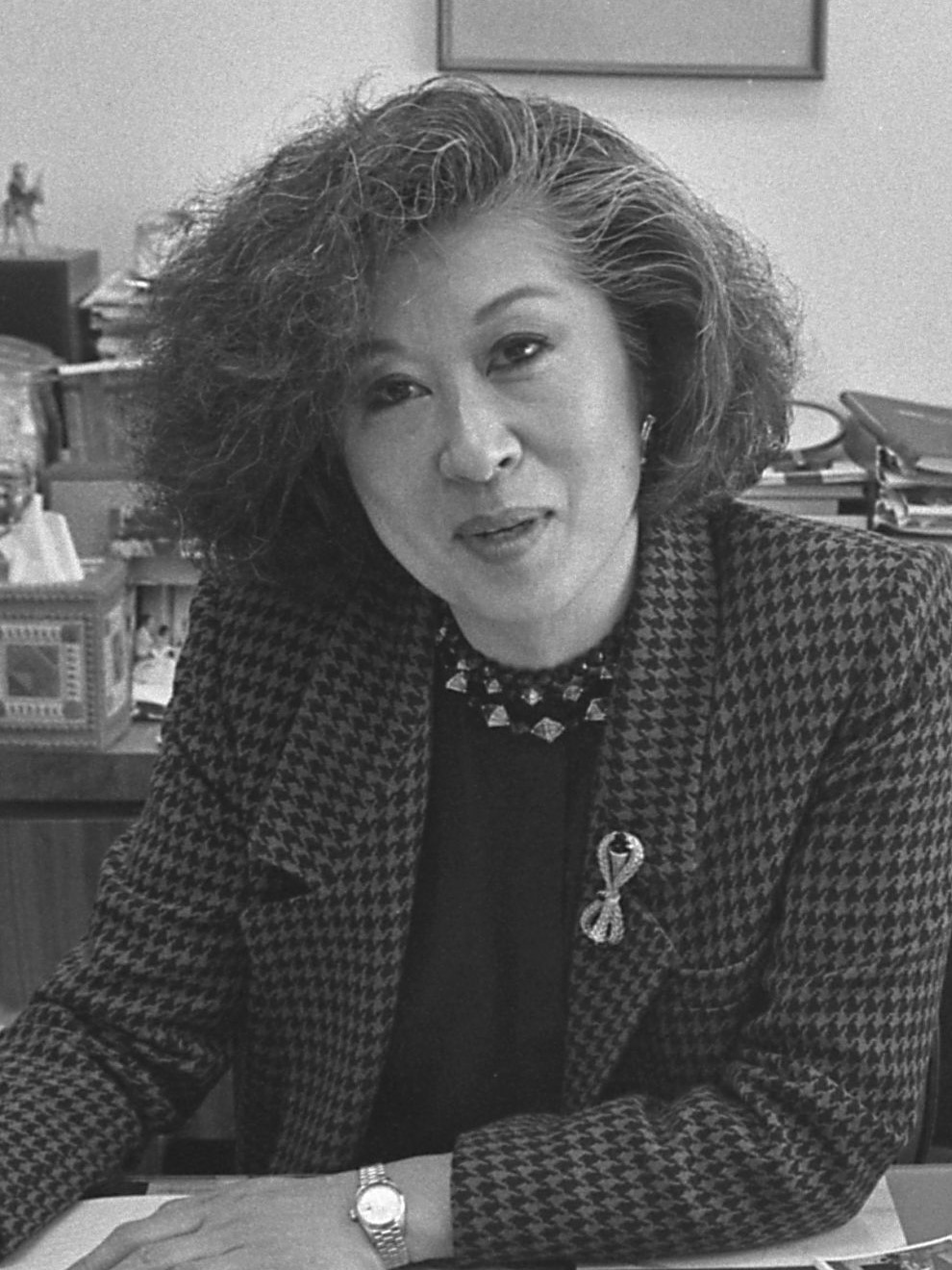
Takayo “Rose” Matsui Ochi’s life connected Los Angeles history, Japanese American civil rights and public service at the highest levels of government.
Ochi was born on Dec. 15, 1938, at the Japanese Hospital in East Los Angeles. Her parents, Yoshiaki Roy and Mutsuko “Grace” Matsukawa Matsui, had come from Kumamoto Prefecture in Japan. She was the third of four children.
When Ochi was three years old, the United States entered World War II and President Franklin D. Roosevelt signed Executive Order 9066. Ochi and her family were sent to the Santa Anita Detention Center, where they remained for six months. They were then transferred to the Rohwer War Relocation Center. It was there that she received the English name Rose.
That childhood experience became part of a broader commitment to civil rights. Ochi later became known for advocating the preservation of Manzanar and for helping secure its designation as a National Historic Site. Manzanar was one of the federally established sites where Japanese Americans were incarcerated during World War II, making its preservation significant to the public memory of that history.
Her career also broke barriers in government. Appointed by President Bill Clinton, Ochi became the first Asian American woman to serve at the United States assistant attorney general level. Before that, she made history in Los Angeles as the first Asian American appointed to the Los Angeles Police Commission.
The commission oversees the Los Angeles Police Department, placing Ochi in a prominent position within the city’s public-safety structure. Her appointment reflected the growing presence of Asian American leadership in Los Angeles civic life and added a local dimension to a career shaped by the consequences of government power.
Ochi’s story is especially rooted in East Los Angeles. The Japanese Hospital where she was born, the wartime removal her family endured and her later work on historical preservation all connect her personal history to larger questions about civil liberties and whose experiences are remembered.
Rose Ochi died on Dec. 13, 2020, two days before her 82nd birthday. Her legacy includes both national milestones and a distinctly Los Angeles record: a child born in East L.A. who survived wartime incarceration and went on to help shape the city’s civic institutions while pressing the country to confront its past.
Source and reuse information This backgrounder adapts factual material from “Rose Ochi” on Wikipedia: https://en.wikipedia.org/wiki/Rose_Ochi The adapted text is released under the Creative Commons Attribution-ShareAlike 4.0 International license (CC BY-SA 4.0): https://creativecommons.org/licenses/by-sa/4.0/. This story has not been independently reviewed or fact-checked.
Further links listed by the Wikipedia page (not independently checked): - https://www.politico.com/news/magazine/2021/12/27/2021-obituary-rose-ochi-520597 - https://www.nichibei.org/2020/12/rose-ochi-who-shattered-glass-ceilings-dies/ - https://alumni.ucla.edu/class-notes/rose-ochi-59/ - https://lasentinel.net/rose-matsui-ochi-a-tireless-fighter-for-the-underserved-passes-away-from-covid-19.html - https://asamnews.com/2021/01/07/rose-ochi-who-fought-for-reparations-for-japanese-americans-dies-after-second-bout-of-covid-19/ - https://laist.com/news/rose-ochi-obituary-japanese-american Image rights Photograph description: Rose Ochi, executive assistant to Mayor Tom Bradley, at her desk in City Hallher trip to Japan became an emotional pilgrimage. Creator: David Becker, Los Angeles Times. License: CC BY 4.0 (https://creativecommons.org/licenses/by/4.0). Original image page: https://commons.wikimedia.org/wiki/File%3ARose_Ochi%2C_1986.jpg. The image was resized for display; no other changes were made.