Politics · Los Angeles
What the Latest U.S. Homelessness Estimate Says About Los Angeles
A new national estimate points to a housing shortage as the central driver of homelessness, with California and Los Angeles continuing to sit within a broader West Coast crisis.
By KLGBT News Desk ·
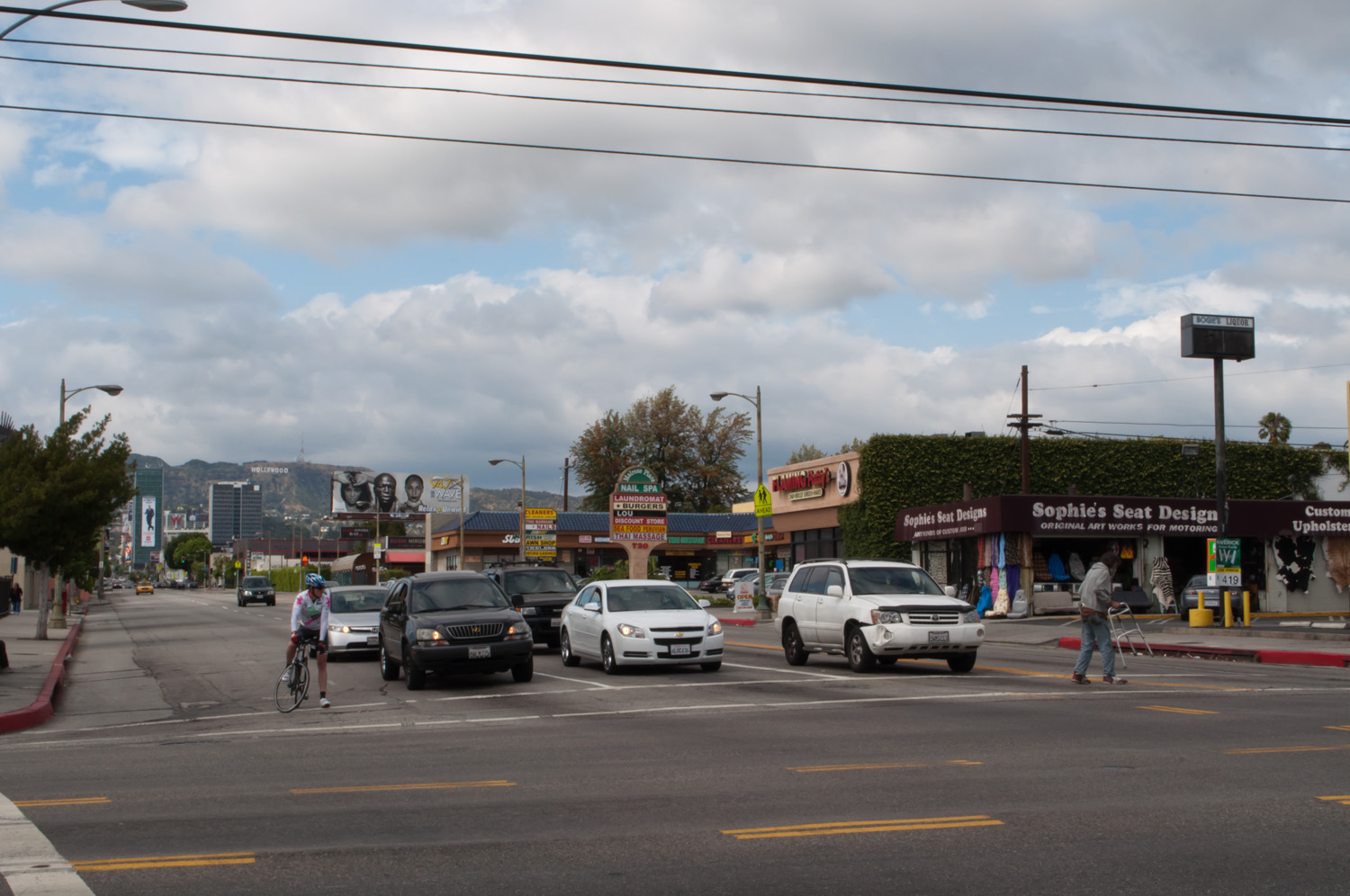
The latest federal estimate places homelessness in the United States within a crisis that is especially relevant to California and Los Angeles: on a single night in January 2025, 745,652 people nationwide were experiencing homelessness.
The estimate, produced by the U.S. Department of Housing and Urban Development, included 266,320 people staying in unsheltered locations. The total was about 3% lower than the comparable figure from 2024, but the decrease does not erase the broader rise in homelessness seen in recent years.
For Los Angeles, the national numbers offer important context rather than a local headcount. The research identifies Los Angeles as one of several West Coast cities with homelessness rates substantially higher than those in areas with lower rates. California was also among the states with the largest homeless populations in 2022, alongside New York, Florida and Washington.
The central explanation described in the research is structural: there are not enough homes available, while housing costs and home values have increased. Those pressures can leave people with little protection when they lose income, face a rent increase or otherwise can no longer afford their housing. The analysis also recognizes individual and interpersonal factors, including mental illness and addiction, but characterizes those influences as less significant than broader socioeconomic conditions.
That distinction matters in Los Angeles, where public debate often focuses on personal vulnerability or visible street homelessness. The research instead places the shortage of affordable housing at the center of the story. It also notes that most people experiencing homelessness have been without housing for less than a year, challenging the assumption that homelessness is always a long-term condition.
Homelessness is not limited to a small, separate segment of the population. Surveys conducted by YouGov in 2022 and 2023 found that just under one in five Americans reported having experienced homelessness at some point. Those surveys measure personal reports across the country and are not a substitute for HUD’s one-night estimate, but together they illustrate how housing instability can affect a broad share of the public.
For Los Angeles, the takeaway is straightforward: national progress in a single annual count should be weighed against the deeper conditions that have driven homelessness upward. Any sustained reduction will depend not only on services for people currently without housing, but also on whether the region can address limited housing supply and rising costs.
Source and reuse information This backgrounder adapts factual material from “Homelessness in the United States” on Wikipedia: https://en.wikipedia.org/wiki/Homelessness_in_the_United_States The adapted text is released under the Creative Commons Attribution-ShareAlike 4.0 International license (CC BY-SA 4.0): https://creativecommons.org/licenses/by-sa/4.0/. This story has not been independently reviewed or fact-checked.
Further links listed by the Wikipedia page (not independently checked): - https://web.archive.org/web/20081230172249/http://www.usmayors.org/hungersurvey/2005/HH2005FINAL.pdf - https://web.archive.org/web/20090822233332/http://www.bsos.umd.edu/socy/vanneman/socy498/causes.html - https://web.archive.org/web/20050424090339/http://www.nhc.org/chp/p2p/ - https://web.archive.org/web/20061017222546/http://www.pasadenaweekly.com/article.php?id=3559&IssueNum=25 - https://web.archive.org/web/20100224204655/http://www.hudhre.info/hprp/ - https://web.archive.org/web/20100217224733/http://www.endhomelessness.org/content/general/detail/2098 Image rights Photograph description: Intersection of Melrose Avenue and Vine Street in Hollywood , California. Several different elements are visible from here: the Hollywood Sign, the W Hollywood and other developments on Hollywood Boulevard, luxury cars, a cyclist, and a disabled homeless man. Creator: InSapphoWeTrust from Los Angeles, California, USA. License: CC BY-SA 2.0 (https://creativecommons.org/licenses/by-sa/2.0). Original image page: https://commons.wikimedia.org/wiki/File%3AMelrose_and_Vine_(5701402433).jpg. The image was resized for display; no other changes were made.