Culture · Miami
Before New York Made Him Famous, Miami Helped Shape Kevin Aviance
The drag artist and dance-music icon spent two formative years in Miami before becoming a defining presence in New York nightlife—and surviving a devastating 2006 hate crime.
By KLGBT News Desk ·
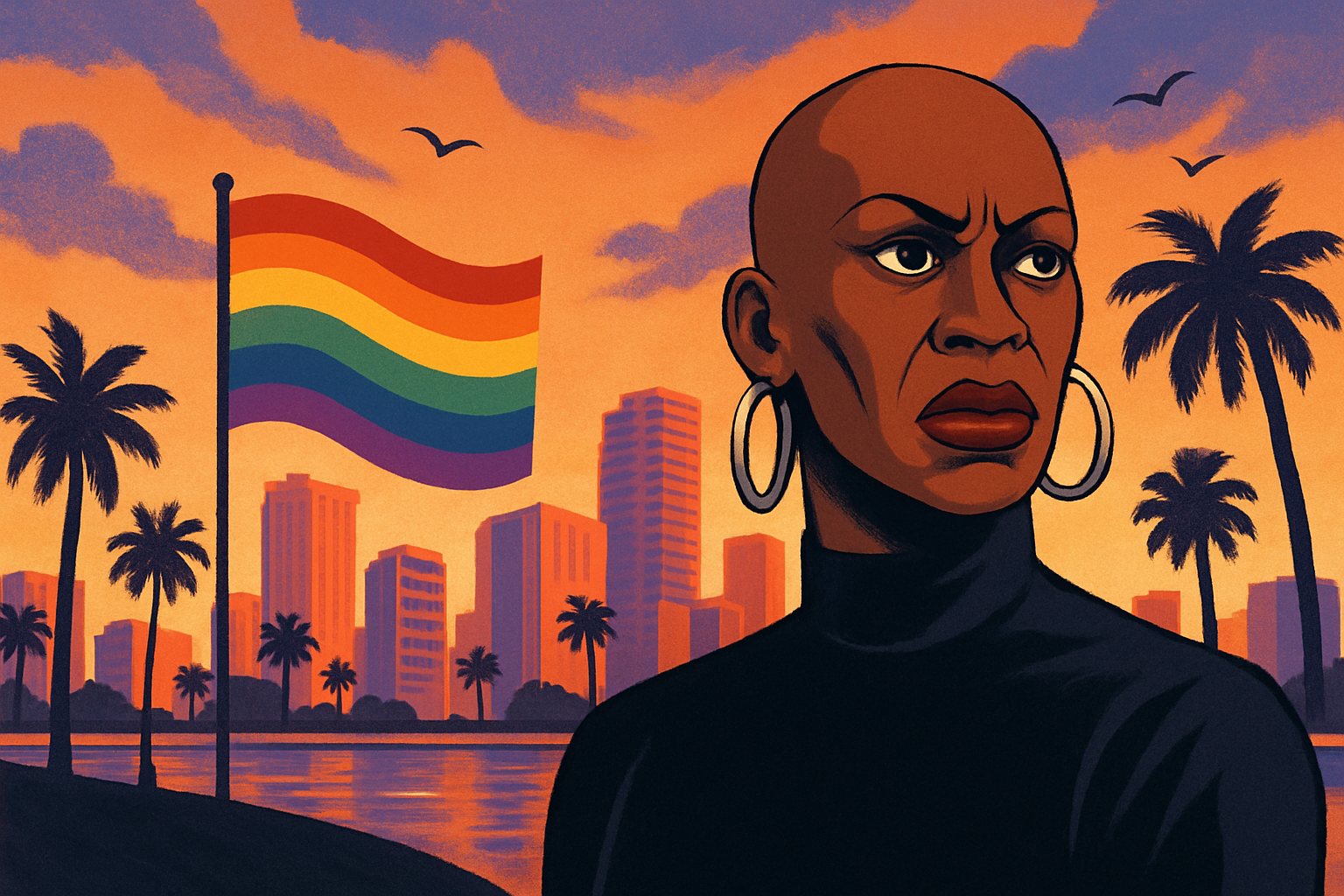
Long before Beyoncé introduced a new generation to his work, Kevin Aviance was building his sound and style in Miami.
Aviance moved to the city in 1991, after growing up in Richmond, Virginia, and spending his early adult years in Washington, D.C. There, he found a creative home at Tracks, a club known for nurturing queer performers and DJs. He also joined the House of Aviance, taking the group’s name as his own and helping develop a ballroom culture in Washington.
Miami became the next stop in that evolution. Aviance spent two years in the city before relocating to New York in 1993. That Miami chapter preceded a career that would make him one of the most recognizable figures in queer nightlife: he appeared in Madonna’s “Secret” video, released dance tracks including “Din Da Da” and “Alive,” and became a fixture at clubs and circuit parties.
His work was rooted in spaces where Black queer expression, drag, ballroom and dance music could meet. His 1996 song “Cunty” became an underground favorite, years before its influence reached a much larger audience. In 2022, Beyoncé sampled the track on “Pure/Honey,” from her album “Renaissance,” and acknowledged the House of Aviance on a remix of “Break My Soul.” The recognition helped bring Aviance’s music to younger listeners and contributed to a new period of performances and recordings.
That renewed visibility follows one of the most traumatic episodes of his life. On June 10, 2006, Aviance left a bar in Manhattan’s East Village and was followed by a group that shouted slurs, threw objects and beat him, breaking his jaw. Four people were arrested and later pleaded guilty to assault under agreements calling for six- to 15-year sentences. Aviance appeared at an antiviolence rally less than a week later with his jaw wired shut.
The aftermath affected his health, career and sobriety. He entered a 30-day rehabilitation program in 2007, left New York for a time and later underwent hip replacement surgeries. He has described music as the thread that kept him moving forward.
Now, Aviance argues that queer nightlife is more than entertainment. Dance floors can create community, mutual support and a sense of safety—especially for people who have been pushed to the margins elsewhere. His appeal to LGBTQ+ people is not to retreat as political hostility and attacks on trans people and drag artists intensify, but to remain connected and visible.
For Miami, where Aviance spent a formative part of his career, that message carries particular resonance. His path shows how local nightlife can help launch artists whose influence eventually travels far beyond the city. The clubs and gatherings that shape queer culture may change, but their role in building confidence, friendship and collective identity remains essential.
Source and reuse information This story uses Kevin Aviance survived an antigay hate crime. Twenty years later, he warns LGBTQ+ people not to disappear (https://www.yahoo.com/entertainment/music/articles/kevin-aviance-survived-antigay-hate-230232389.html) as factual research. Source wording is not reproduced. This citation does not claim or imply a license to republish the source. This story has not been independently reviewed or fact-checked. Image rights Original illustrative artwork created from story keywords. It is illustrative, not a documentary photograph.