Beyond the Bay · Miami
Miami’s Cuban Exile Story Began Long Before the 1960s
Cuban migration to South Florida is part of a much longer history of exile, shaped by political struggle, work, business, and changing circumstances across generations.
By KLGBT News Desk ·
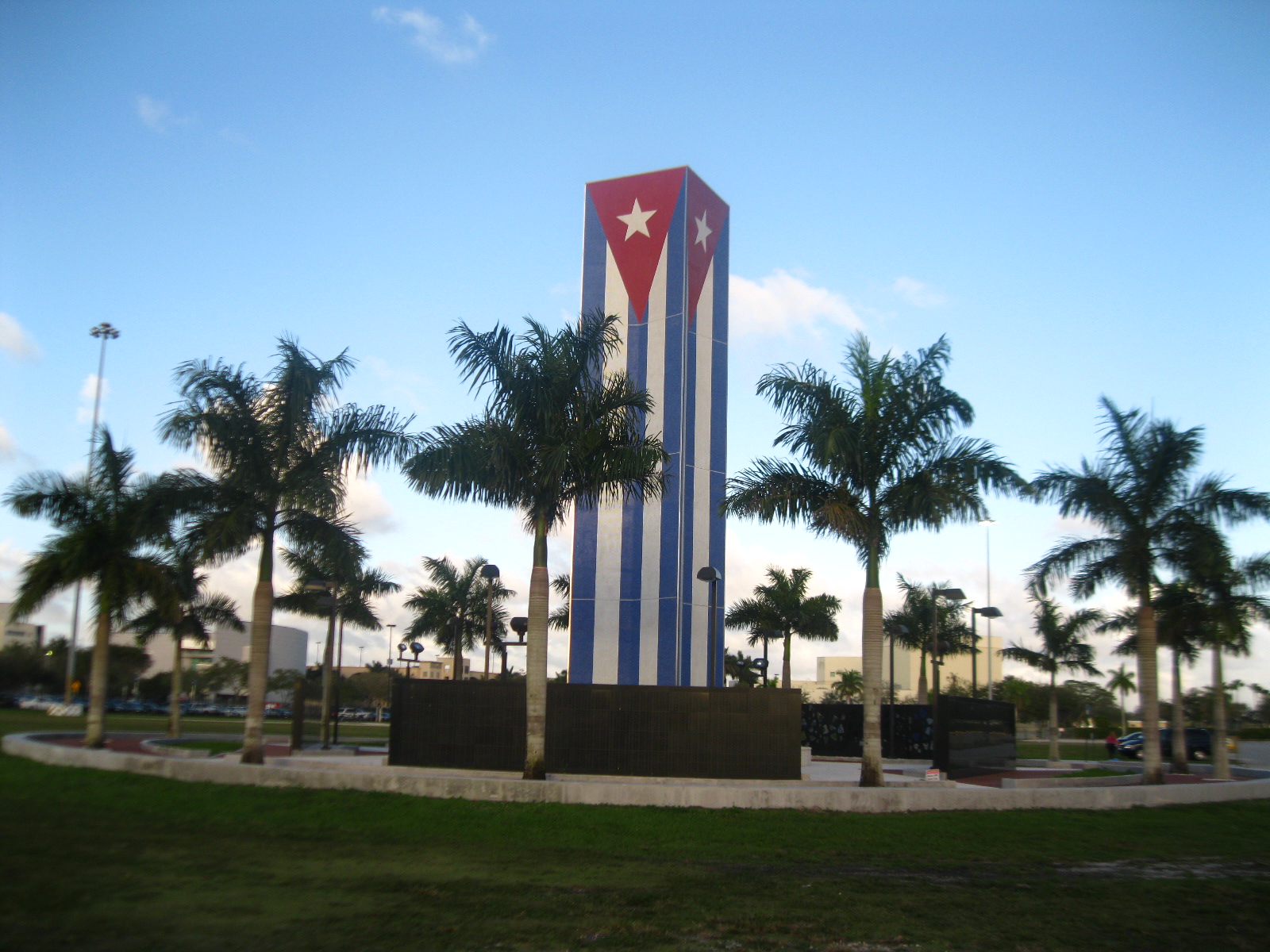
Miami’s identity as a center of Cuban life outside Cuba grew from a history of migration that stretches back to the island’s early independence struggles. Across different periods, Cubans—including political leaders and people from all walks of life—spent extended periods away from the island. Their reasons and experiences varied, making “Cuban exile” a broad description rather than a single shared story.
That history also includes movement to other parts of South Florida. In 1869, Key West became the focus of a major wave of emigration from Cuba. Hundreds of workers and businesspeople relocated there in connection with the tobacco industry. Several pressures helped drive that movement, including changes in tobacco manufacturing, the city’s more direct access to the United States market, and uncertainty about Cuba’s economic future after years of hardship.
The Key West experience offers an early example of how work, trade, and political or economic uncertainty could shape Cuban migration. It also shows that Cuban communities in Florida did not begin with Miami. Before Miami became the best-known center of Cuban life in the United States, other South Florida communities were already receiving Cuban workers and entrepreneurs and connecting them to American markets.
Miami’s role became especially prominent during the 1960s. A growing Cuban-owned business community helped support people arriving from Cuba, creating an economic foundation for a larger and more established population. Businesses owned and operated by Cuban emigrants were part of the city’s development as a place where newcomers could find community and build lives outside the island.
That development made Miami more than a destination. It became a cultural hub for Cuban life beyond Cuba, linking personal histories of exile with businesses, social networks, and community institutions. The city’s Cuban identity was therefore shaped not only by the number of people who arrived, but also by the support systems that helped them settle and by the different circumstances each wave of emigrants brought with it.
For Miami, the history of Cuban exile is best understood as an evolving series of migrations rather than one event. From the tobacco workers and businesspeople who moved to Key West in the 19th century to the communities that expanded in Miami during the 1960s, Cuban migration has influenced South Florida’s cultural landscape over generations. The result is a Miami where exile is both a historical experience and a continuing part of the region’s public identity.
Source and reuse information This backgrounder adapts factual material from “Cuban exile” on Wikipedia: https://en.wikipedia.org/wiki/Cuban_exile The adapted text is released under the Creative Commons Attribution-ShareAlike 4.0 International license (CC BY-SA 4.0): https://creativecommons.org/licenses/by-sa/4.0/. This story has not been independently reviewed or fact-checked.
Further links listed by the Wikipedia page (not independently checked): - https://journals.sagepub.com/doi/abs/10.1177/019791838501900101 - https://ascecuba.org//c/wp-content/uploads/2014/09/v07-gzlezpan.pdf - https://link.springer.com/epdf/10.1057/s41276-017-0046-2?sharing_token=gQ411DqzjwqOlMpM84lEK1xOt48VBPO10Uv7D6sAgHvDHiDd5LvrHMIVOt-jS4SJ7sqY3OSagTqUJe0kvvyv3XU4p_SaXQNKI0GJIYUATOnT-KEN2cxaSoyudLxbV4o46kYbHV-c5dGQta_tULV8rsLXBD7tkFpy5y9Kg_oaBgo%3D - https://doi.org/10.1177%2F019791838501900101 - https://doi.org/10.1057%2Fs41276-017-0046-2 - https://pubmed.ncbi.nlm.nih.gov/12267275 Image rights Photograph description: -NEVER FORGET-MONUMENT TO THE VICTIMS OF THE COMMUNISM IN CUBA-FIDEL CASTRO CRIMES-MONUMENT MADE BY CUBAN EXILES IN MIAMI- Creator: Ivan Curra. License: CC BY-SA 3.0 (https://creativecommons.org/licenses/by-sa/3.0). Original image page: https://commons.wikimedia.org/wiki/File%3A-NEVER_FORGET-MONUMENT_TO_THE_VICTIMS_OF_THE_COMMUNISM_IN_CUBA-FIDEL_CASTRO_CRIMES-MONUMENT_MADE_BY_CUBAN_EXILES_IN_MIAMI_-_panoramio.jpg. The image was resized for display; no other changes were made.