Beyond the Bay · Miami
Miami Springs: A Planned Community Shaped by Aviation, Architecture and Water
Northwest of downtown Miami, Miami Springs began as a 1920s planned development and grew into a city of 13,859 residents by the 2020 census.
By KLGBT News Desk ·
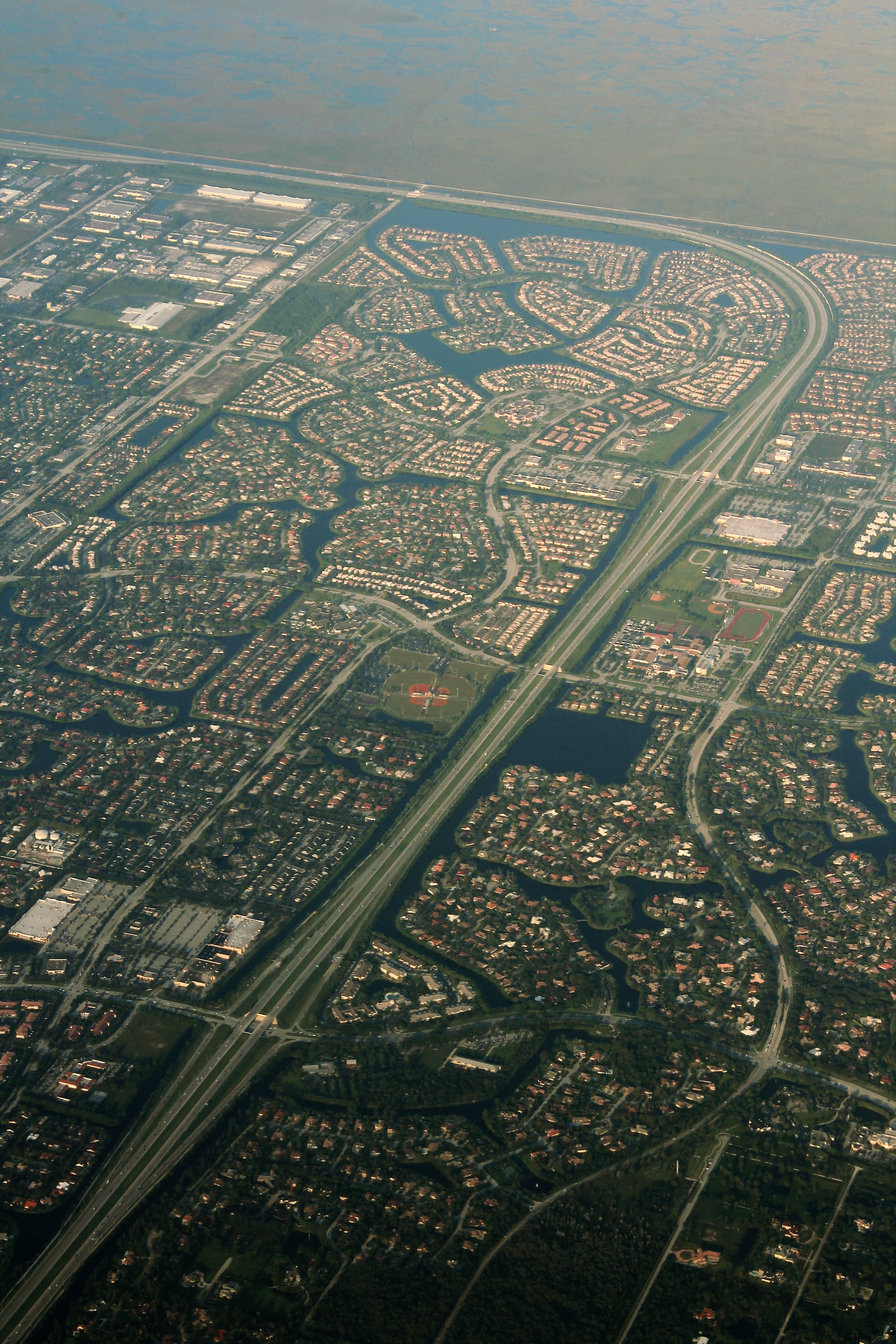
Miami Springs occupies a distinctive place in Miami-Dade County’s history. Located northwest of downtown Miami and within the South Florida metropolitan area, the city emerged during the land boom of the 1920s as one of Florida’s early planned communities.
Its founders were Glenn Hammond Curtiss, known as the Father of Naval Aviation, and James Bright. The development initially carried the name Country Club Estates. Before the community became a city in 1926, it was renamed Miami Springs, reflecting a spring in the area that supplied portions of Miami with fresh water until the mid-1990s.
Miami Springs was created during a period when developers were imagining entire communities around a carefully defined identity. Along with Coral Gables and Opa-locka, it was among the first planned communities in Miami-Dade County. These developments were not simply collections of homes; they were designed around particular architectural styles and an intended atmosphere.
In Miami Springs, that identity drew heavily from Pueblo Revival architecture, a regional style associated with the American Southwest and especially New Mexico. Pueblo Revival design incorporates elements inspired by pueblo buildings. Other structures in the community used Mission-style architecture, adding another visual reference to the city’s historical character.
The original Hotel Country Club embodied the concept. Its design was intended to resemble a pueblo village, making the building part of the larger effort to give the community a coherent appearance and ambiance. That approach helped distinguish Miami Springs from newer areas that developed without the same unified architectural plan.
The city’s story therefore connects several strands of South Florida history: the rapid development associated with the 1920s land boom, the influence of prominent aviation figures, the creation of planned communities and the use of architecture to establish a local identity. Its name also preserves a connection to the area’s former role in Miami’s water supply.
According to the 2020 census, Miami Springs had 13,859 residents. Today, its history can be read not only in its municipal identity but also in the design language chosen by its founders. Pueblo Revival and Mission-style influences set the community apart, while the name Miami Springs recalls the natural feature that once helped provide fresh water to the wider Miami area.
For residents across Miami-Dade, Miami Springs offers a reminder that the region’s past was shaped by more than downtown growth and coastal development. Its planned layout, architectural theme and connection to the county’s early expansion make it a notable part of the broader Miami story.
Source and reuse information This backgrounder adapts factual material from “Miami Springs, Florida” on Wikipedia: https://en.wikipedia.org/wiki/Miami_Springs,_Florida The adapted text is released under the Creative Commons Attribution-ShareAlike 4.0 International license (CC BY-SA 4.0): https://creativecommons.org/licenses/by-sa/4.0/. This story has not been independently reviewed or fact-checked.
Further links listed by the Wikipedia page (not independently checked): - https://web.archive.org/web/20090219202837/http://bolivia-usa.org/consulares/consulares_eeuu.htm - https://musicbrainz.org/area/e1501a21-8cc4-4a96-a726-8755f3a0c3ef - https://viaf.org/viaf/129017857 - https://www.census.gov/ - https://www.census.gov/programs-surveys/decennial-census.html - https://www.miamiarch.org/Atimo_s/news/CatholicSchoolsDirectory-2019-2020.pdf Image rights Photograph description: The Sawgrass Expressway (FL 869) splits the cities of Parkland from Coral Springs. Creator: formulanone from Huntsville, United States. License: CC BY-SA 2.0 (https://creativecommons.org/licenses/by-sa/2.0). Original image page: https://commons.wikimedia.org/wiki/File%3ASawgrass_Big_Curve_Aerial_(29218213173).jpg. The image was resized for display; no other changes were made.