Culture · Minneapolis
Walker Art Center: A Minneapolis Landmark for Modern and Contemporary Art
Minneapolis’s Walker Art Center combines a long collecting history with galleries, performance space and a major public art setting shared with the Minneapolis Sculpture Garden and Cowles Conservatory.
By KLGBT News Desk ·
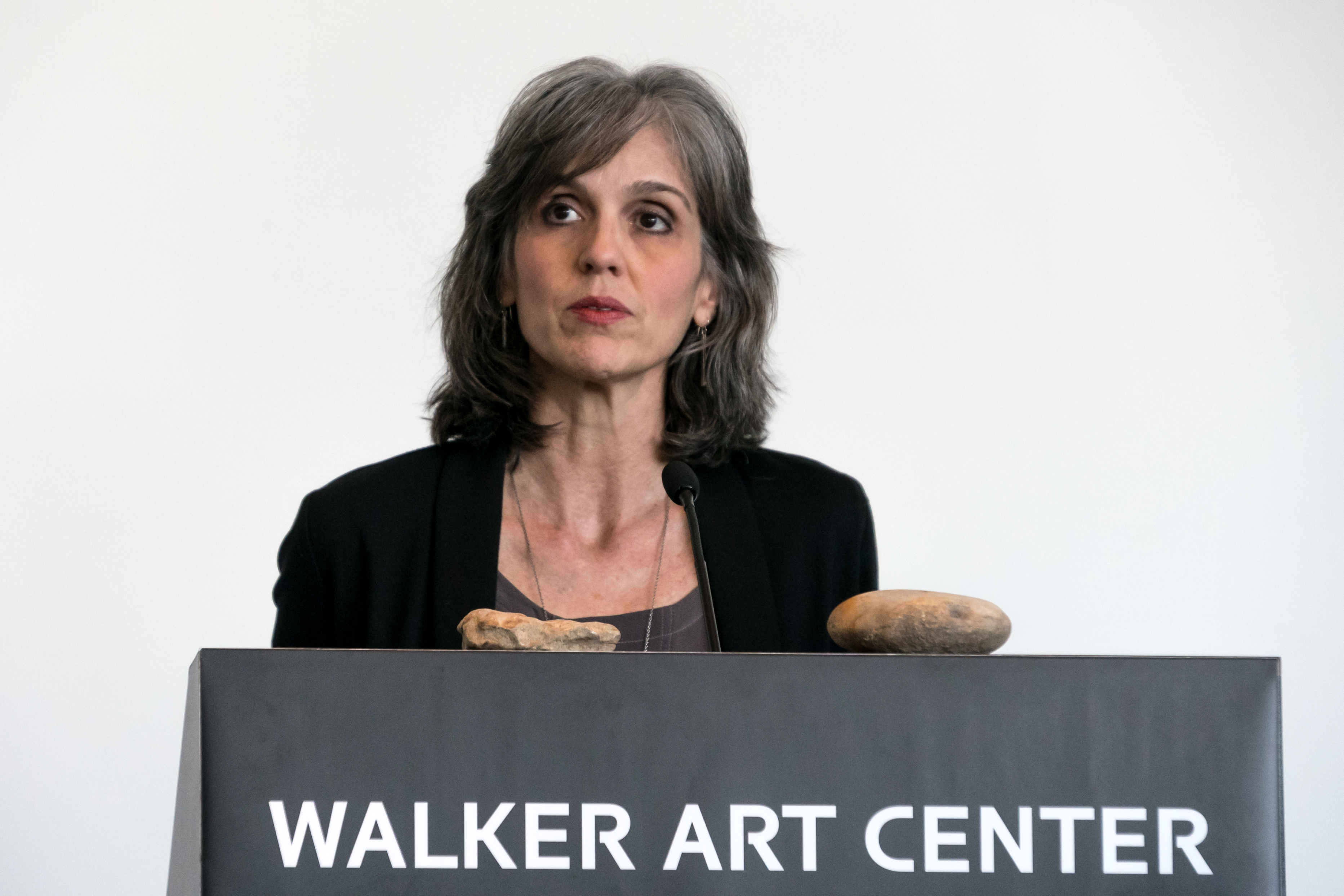
In Minneapolis’s Lowry Hill neighborhood, the Walker Art Center offers a broad view of modern and contemporary art rather than focusing on a single medium. Its permanent collection contains more than 13,000 works, spanning books, costumes, drawings, media works, paintings, photography, prints and sculpture.
The institution’s story began in 1879, when lumber baron Thomas Barlow Walker maintained an art gallery in his home. Walker formally organized the collection as the Walker Art Gallery in 1927. Support from the Federal Art Project of the Works Progress Administration helped guide the organization into its next form, and the Walker Art Gallery became the Walker Art Center in January 1940.
The center’s present-day identity also reflects a series of changes to its physical setting. A new building designed by Edward Larrabee Barnes opened in 1971. In 2005, the site underwent a major expansion led by Swiss architects Herzog & de Meuron. The addition brought more gallery space along with a theater, restaurant and shop, strengthening the Walker’s role as a place for exhibitions, performances and public visits.
The Walker is part of a larger arts destination that includes the adjacent Minneapolis Sculpture Garden and Cowles Conservatory. Together, the three sites draw about 700,000 visitors annually, according to the supplied reference. That combined figure describes the broader destination rather than the Walker alone.
For Minneapolis residents and visitors, the Walker’s significance lies in the range of ways it presents contemporary culture: through objects in its collection, visual art in its galleries, theater programming in its dedicated space and the outdoor setting connected to the sculpture garden and conservatory. Its collection format also reflects the varied materials that can carry artistic ideas, from printed matter and clothing to photography, film and sculpture.
The institution marked 75 years as a public art center in 2015. Viewed across its history, the Walker has moved from a private gallery in a collector’s home to a multidisciplinary public center with a substantial collection and an expanded campus. That evolution places it among Minneapolis’s established cultural landmarks while preserving the institution’s emphasis on modern and contemporary art.
Source and reuse information This automatically generated backgrounder adapts text from “Walker Art Center” on Wikipedia: https://en.wikipedia.org/wiki/Walker_Art_Center The adapted text is released under the Creative Commons Attribution-ShareAlike 4.0 International license (CC BY-SA 4.0): https://creativecommons.org/licenses/by-sa/4.0/. The source article’s linked references are provided below where available. This story has not been independently reviewed or fact-checked.
Further links listed by the Wikipedia page (not independently checked): - https://viaf.org/viaf/155994293 - https://www.herzogdemeuron.com/index/projects/complete-works/151-175/175-walker-art-center-expansion.html - https://www.minneapolisparks.org/park_care__improvements/park_projects/current_projects/minneapolis_sculpture_garden_reconstruction_and_cowles_conservatory_renovation/#group_3_222296 - https://news.artnet.com/people/martin-friedman-walker-art-center-director-494084 - https://www.idref.fr/030583942 - https://www.nytimes.com/2005/04/15/arts/design/an-expansion-gives-new-life-to-an-old-box.html?_r=0 Image rights Photograph description: Sam Durant's "Scaffold" is a wood & steel sculpture that was to be placed in the Minneapolis Sculpture Garden. It is a composite of the representations of 7 historical gallows used in US state-sanctioned executions by hanging between 1859 and 2006. One of them being the gallows constructed in Mankato, Minnesota to simultaneously hang 38 Dakota men on December 26, 1862 on orders signed by President Creator: Lorie Shaull. License: CC BY-SA 4.0 (https://creativecommons.org/licenses/by-sa/4.0). Original image page: https://commons.wikimedia.org/wiki/File%3AOlga_Viso%2C_Executive_Director_of_the_Walker_Art_Center_in_Minneapolis%2C_Minnesota_speaking_at_a_press_conference_about_how_the_Walker_Art_Center_will_address_the_sculpture_%22Scaffold%22_by_Sam_Durant_2.jpg. The image was resized for display; no other changes were made.