LGBTQ+ · New York City
Henrietta Hudson’s West Village Legacy Reflects the Changing Lesbian Bar
For more than three decades, Henrietta Hudson has been part of New York City’s queer nightlife history, evolving from a lesbian-centered bar into a broader queer venue.
By KLGBT News Desk ·
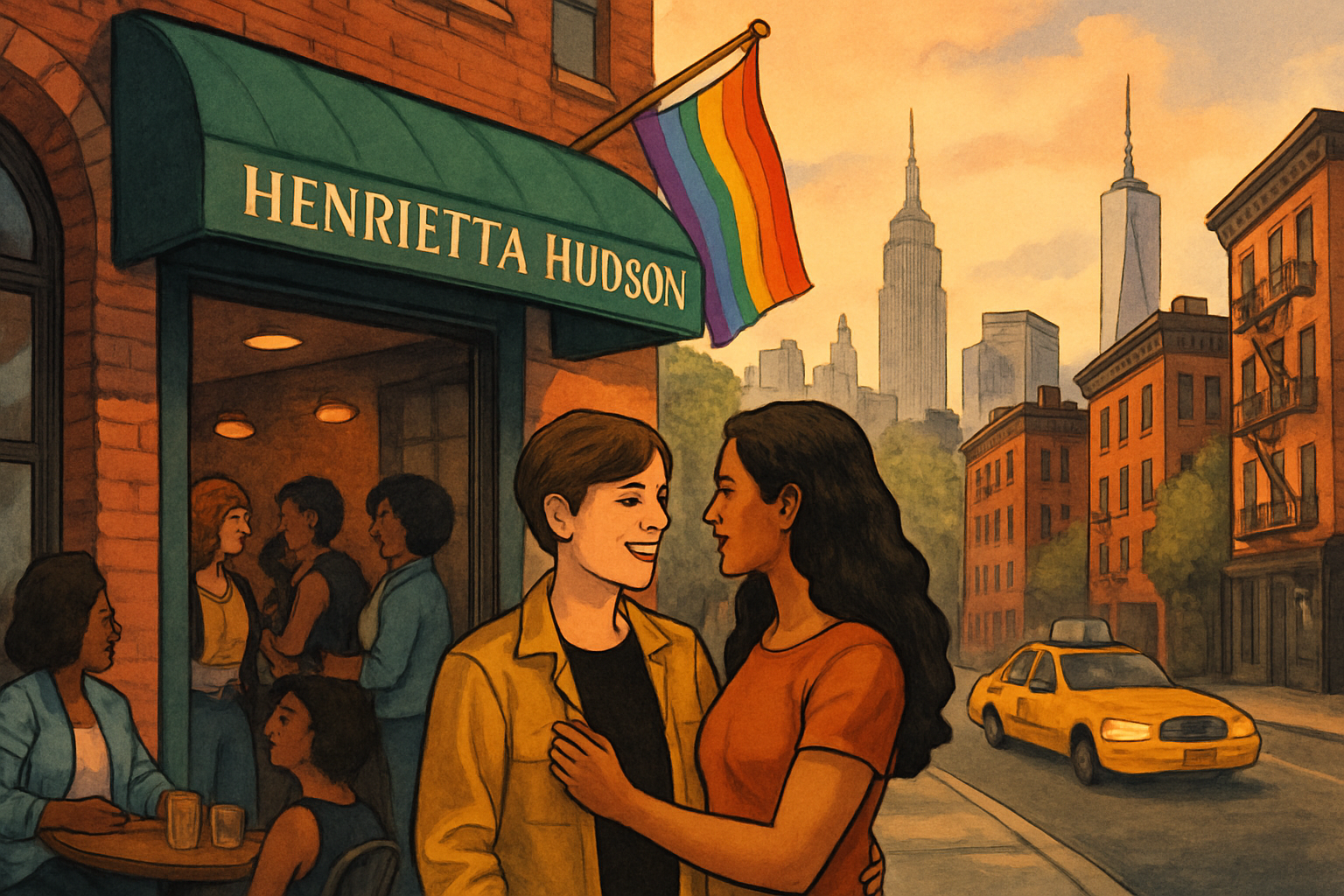
In Manhattan’s West Village, Henrietta Hudson has long represented both the endurance and evolution of New York City’s lesbian nightlife. Opened in 1991 by Lisa Cannistraci and bar owner Minnie Rivera, the venue began as Henrietta Hudson Bar & Girl, a lesbian-centered bar named through a playful feminization of Henry Hudson, the namesake of the Hudson River.
The bar’s history is also connected to another important West Village institution. Henrietta Hudson occupies the original site of Cubbyhole, a bar with a distinction of its own: it was lesbian-owned and managed. Over time, as other lesbian bars in New York City closed, Henrietta Hudson became the city’s longest-operating lesbian bar. By the time it rebranded in 2021, it had been one of only three remaining lesbian bars in the city until 2014.
Its place in queer history was reinforced by the people who worked there. Stormé DeLarverie, a prominent figure in gay liberation history, served as a bouncer at Henrietta Hudson well into her 80s. Her presence linked the venue’s everyday nightlife to an earlier generation of LGBTQ+ organizing and resistance.
Henrietta Hudson’s identity shifted over the years. In 2014, the establishment removed the “lesbian bar” description, reflecting a broader evolution in how it presented itself to the public. In a 2019 interview, Cannistraci emphasized that the venue’s priority was giving people a good experience rather than preserving a narrowly defined label. That change did not erase the bar’s lesbian roots; instead, it marked an ongoing conversation about who queer spaces serve and how those spaces adapt.
The COVID-19 pandemic brought another disruption, with the venue closing during the public-health crisis. Afterward, Cannistraci announced plans to rebrand and expand Henrietta Hudson. The rebranding announced in 2021 placed the venue within a newer phase of its history, while its West Village location continued to connect it to decades of lesbian and queer nightlife in New York.
Henrietta Hudson’s story is therefore not only about survival. It is also about transformation: from a lesbian bar opened in the early 1990s, to a longtime landmark in a neighborhood central to LGBTQ+ history, and then to a venue reconsidering how it defines itself. For New Yorkers, that arc captures the changing landscape of queer bars while preserving the importance of the spaces that helped build it.
Source and reuse information This backgrounder adapts factual material from “Henrietta Hudson” on Wikipedia: https://en.wikipedia.org/wiki/Henrietta_Hudson The adapted text is released under the Creative Commons Attribution-ShareAlike 4.0 International license (CC BY-SA 4.0): https://creativecommons.org/licenses/by-sa/4.0/. This story has not been independently reviewed or fact-checked.
Further links listed by the Wikipedia page (not independently checked): - https://thestoryexchange.org/the-curious-disappearance-of-the-lesbian-bar/ - https://commercialobserver.com/2021/05/there-are-just-21-lesbian-bars-left-in-the-u-s-and-some-wont-reopen/ - https://www.smithsonianmag.com/travel/rise-and-fall-americas-lesbian-bars-180976801/ - https://www.forbes.com/sites/mollysprayregen/2019/06/15/how-the-owner-of-nycs-oldest-lesbian-bar-has-kept-it-open-and-thriving-for-almost-thirty-years/?sh=7e2098fe7b45 - https://www.out.com/nightlife/2019/2/19/lesbian-bars-LGBTQ-women-spaces - https://www.grubstreet.com/bestofnewyork/lesbian-bars-nyc.html Image rights Original illustrative artwork created from story keywords. It is not a documentary photograph.