LGBTQ+ · New York City
How New York’s Gay Liberation Front Helped Shape Modern LGBTQ+ Organizing
Formed in New York City in 1969 after the Stonewall riots, the Gay Liberation Front became a gathering point for a newly radicalized gay community and a starting place for later LGBTQ+ organizations.
By KLGBT News Desk ·
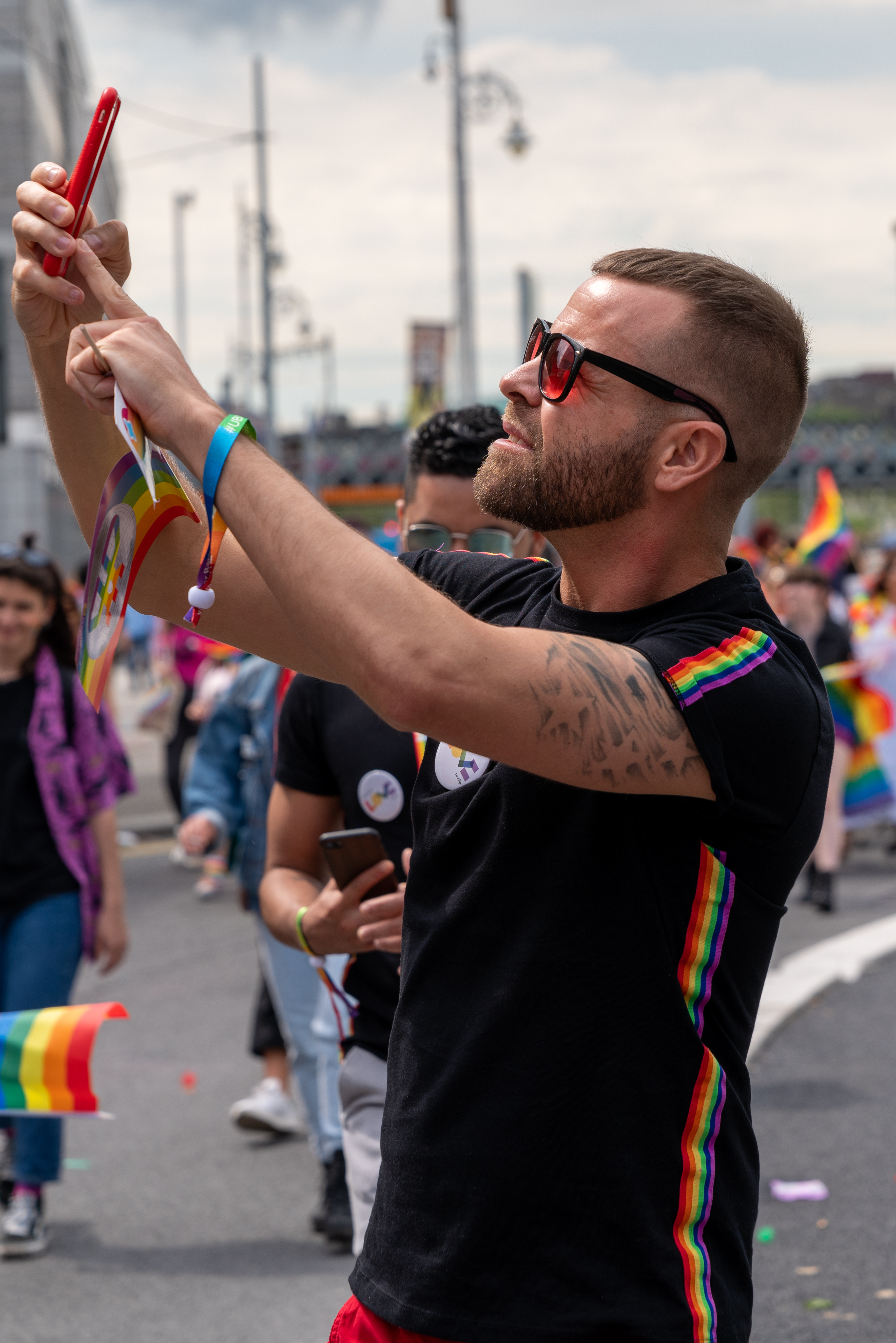
New York City was the starting point for the Gay Liberation Front, a movement whose name was later adopted by groups in several countries. The first GLF formed in 1969, in the aftermath of the Stonewall riots, as many people in the city’s gay community were becoming more publicly visible and more politically radicalized.
The organization offered two connected things: a public voice and a place for activists to meet. Its importance was not limited to the statements or demonstrations associated with the group itself. The New York GLF also brought together people who would later help create or participate in other organizations, extending its influence across the city’s emerging liberation movement.
Among the groups linked in the source material to activists from the original GLF are the Gay Activists Alliance, Gay Youth New York, and Street Transvestite Action Revolutionaries, commonly known as STAR. Their inclusion in the GLF’s story points to a broader development in LGBTQ+ organizing: activism did not remain within one organization, but moved through networks of people who formed groups with different priorities and constituencies.
The GLF’s legacy also reached beyond New York. Similar organizations appeared soon afterward in the United Kingdom, Australia, and Canada. In the United Kingdom and Canada, activists built platforms for gay liberation and organized demonstrations for gay rights. Activists connected with the U.S. and U.K. groups later became involved with organizations including ACT UP, the Lesbian Avengers, Queer Nation, the Sisters of Perpetual Indulgence, and Stonewall.
For New York readers, the GLF is therefore best understood not only as a historical organization but as part of a chain of organizing. Its formation followed the Stonewall riots, which the source describes as a major catalyst for the gay liberation movement and the modern struggle for LGBTQ+ rights in the United States. The group’s meeting spaces and political work helped create conditions in which additional organizations could emerge.
The name Gay Liberation Front came to represent more than one local chapter. Still, New York retains a distinctive place in that history: it was where the first group formed, where activists gathered in the period immediately after Stonewall, and where relationships developed that would shape later LGBTQ+ movements in the United States and beyond.
Source and reuse information This automatically generated backgrounder adapts text from “Gay Liberation Front” on Wikipedia: https://en.wikipedia.org/wiki/Gay_Liberation_Front The adapted text is released under the Creative Commons Attribution-ShareAlike 4.0 International license (CC BY-SA 4.0): https://creativecommons.org/licenses/by-sa/4.0/. The source article’s linked references are provided below where available. This story has not been independently reviewed or fact-checked.
Further links listed by the Wikipedia page (not independently checked): - https://news.google.com/newspapers?id=GOgzAAAAIBAJ&sjid=1jIHAAAAIBAJ&pg=3517,7844376 - https://web.archive.org/web/20070611193304/http://www.angelfire.com/on2/glf2000/Page2.html - https://web.archive.org/web/20130530065722/http://www.northjersey.com/news/2012_Presidential_Election/Obama_inaugural_speech_references_Stonewall_riots.html - https://www.chronicle.com/article/How-Stonewall-Obscures-the/231099 - https://libcom.org/library/brief-history-gay-liberation-front-1970-73 - https://voices.revealdigital.com/?a=d&d=BFBJFGJ19691031.1.4&e=-------en-20--1--txt-txIN---------------1 Image rights Photograph description: The parade took more than two hours to pass any give point on the route possibly making it bigger than the St. Patrick's Day parade. Right from the beginning I have photographed this annual event and I have always photographed in the backstage area before the parade actually set out. However, this year I could not gain access without media accreditation which caught me be surprise so I decided to Creator: William Murphy from Dublin, Ireland. License: CC BY-SA 2.0 (https://creativecommons.org/licenses/by-sa/2.0). Original image page: https://commons.wikimedia.org/wiki/File%3ADUBLIN_LGBTQ_PRIDE_PARADE_2019_-PHOTOGRAPHED_AT_CITY_QUAY_JUNE_29--153785_(48154168242).jpg. The image was resized for display; no other changes were made.