LGBTQ+ · New York City
New York City’s LGBTQ Culture and Its Place in the Modern Rights Movement
New York City’s LGBTQ communities are described as the largest in the United States, with Greenwich Village and the 1969 Stonewall riots occupying a central place in the history of modern LGBTQ rights.
By KLGBT News Desk ·
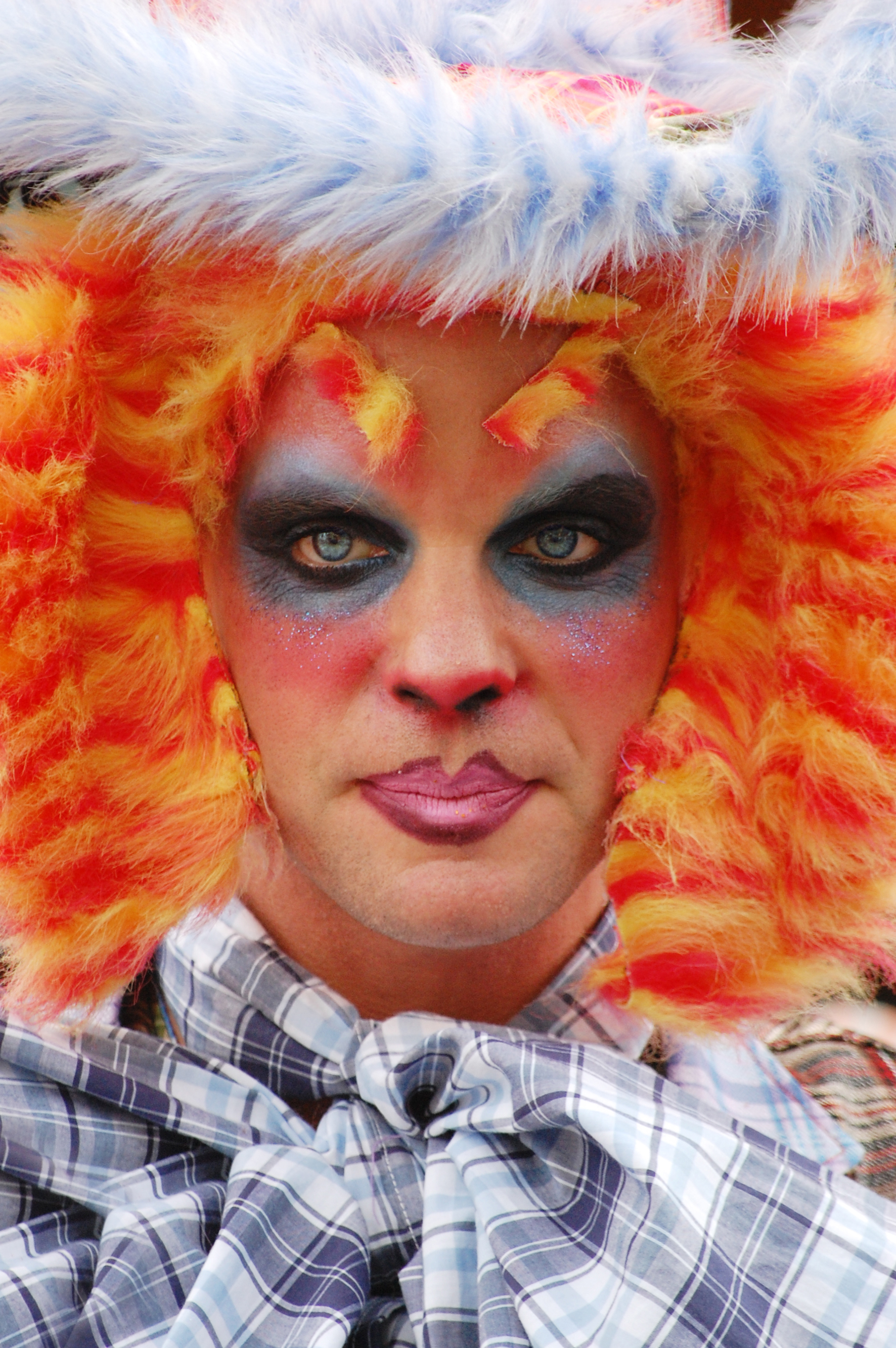
New York City occupies an unusually prominent place in accounts of LGBTQ life in the United States. The city is described as having the country’s largest self-identifying lesbian, gay, bisexual, transgender and queer communities by a substantial margin. Its influence is also presented as extending beyond population size: New York is portrayed as a major center of LGBTQ political and social life, with queer culture woven into the identity of all five boroughs.
That prominence has made New York a defining destination and reference point for LGBTQ culture. Travel writing and popular descriptions of the city have emphasized the visibility, influence and scale of its LGBTQ communities. These accounts frame queer life not as confined to one neighborhood or institution, but as part of the city’s broader cultural landscape. The result is an image of New York in which LGBTQ presence is connected to the city’s overall public identity, alongside its better-known associations with transportation, tall buildings and theater.
Greenwich Village is especially significant in the historical story. The 1969 Stonewall riots there are widely regarded as the beginning of the modern LGBTQ rights movement. That association gives the neighborhood an importance that reaches beyond local geography: it links New York City to a pivotal chapter in the national and broader LGBTQ rights narrative.
The city’s reputation has also been shaped by the language used to describe it. Writers and LGBTQ-focused guides have characterized New York as exceptionally large, vocal and politically powerful in LGBTQ terms. An LGBTQ advocate and entertainer likewise used the city as a metaphor for queer possibility and belonging. Although these descriptions are celebratory and subjective, they reflect a consistent theme in the source material: New York’s LGBTQ culture is understood as both highly visible and deeply embedded in the city’s identity.
For a local LGBTQ newsroom, the enduring significance of this history is the connection between community scale, cultural visibility and political memory. New York is presented not only as a place with a large LGBTQ population, but also as a city whose neighborhoods and public identity are tied to the development of modern LGBTQ rights. Greenwich Village and Stonewall remain central points in that account, while the wider city is portrayed as a five-borough environment in which LGBTQ culture has become an important part of everyday civic and cultural life.
Source and reuse information This automatically generated backgrounder adapts text from “LGBTQ culture in New York City” on Wikipedia: https://en.wikipedia.org/wiki/LGBTQ_culture_in_New_York_City The adapted text is released under the Creative Commons Attribution-ShareAlike 4.0 International license (CC BY-SA 4.0): https://creativecommons.org/licenses/by-sa/4.0/. The source article’s linked references are provided below where available. This story has not been independently reviewed or fact-checked.
Further links listed by the Wikipedia page (not independently checked): - https://theculturetrip.com/north-america/usa/new-york/articles/why-new-york-city-is-a-major-destination-for-lgbt-travelers/ - https://www.nytimes.com/2016/06/25/nyregion/stonewall-inn-named-national-monument-a-first-for-gay-rights-movement.html - https://books.google.com/books?id=pZPYLuUnzJ4C&pg=PA28 - https://thelgbtqplusmuseum.org/our-vision/ - https://www.timesledger.com/stories/2016/48/transvigil_2016_11_25_q.html - https://books.google.com/books?id=HO7IKU79zgAC&pg=PR14 Image rights Photograph description: amanwithaphd.wordpress.com/2009/12/05/what-sort-of-person... Creator: Ludovic Bertron from New York City, Usa. License: CC BY 2.0 (https://creativecommons.org/licenses/by/2.0). Original image page: https://commons.wikimedia.org/wiki/File%3AMad_Hatter_(2943389756).jpg. The image was resized for display; no other changes were made.