LGBTQ+ · New York City
Remembering Venus Xtravaganza and New York’s Ball Culture
The life and unsolved murder of Venus Xtravaganza remain closely tied to the LGBTQ history of New York’s ball culture.
By KLGBT News Desk ·
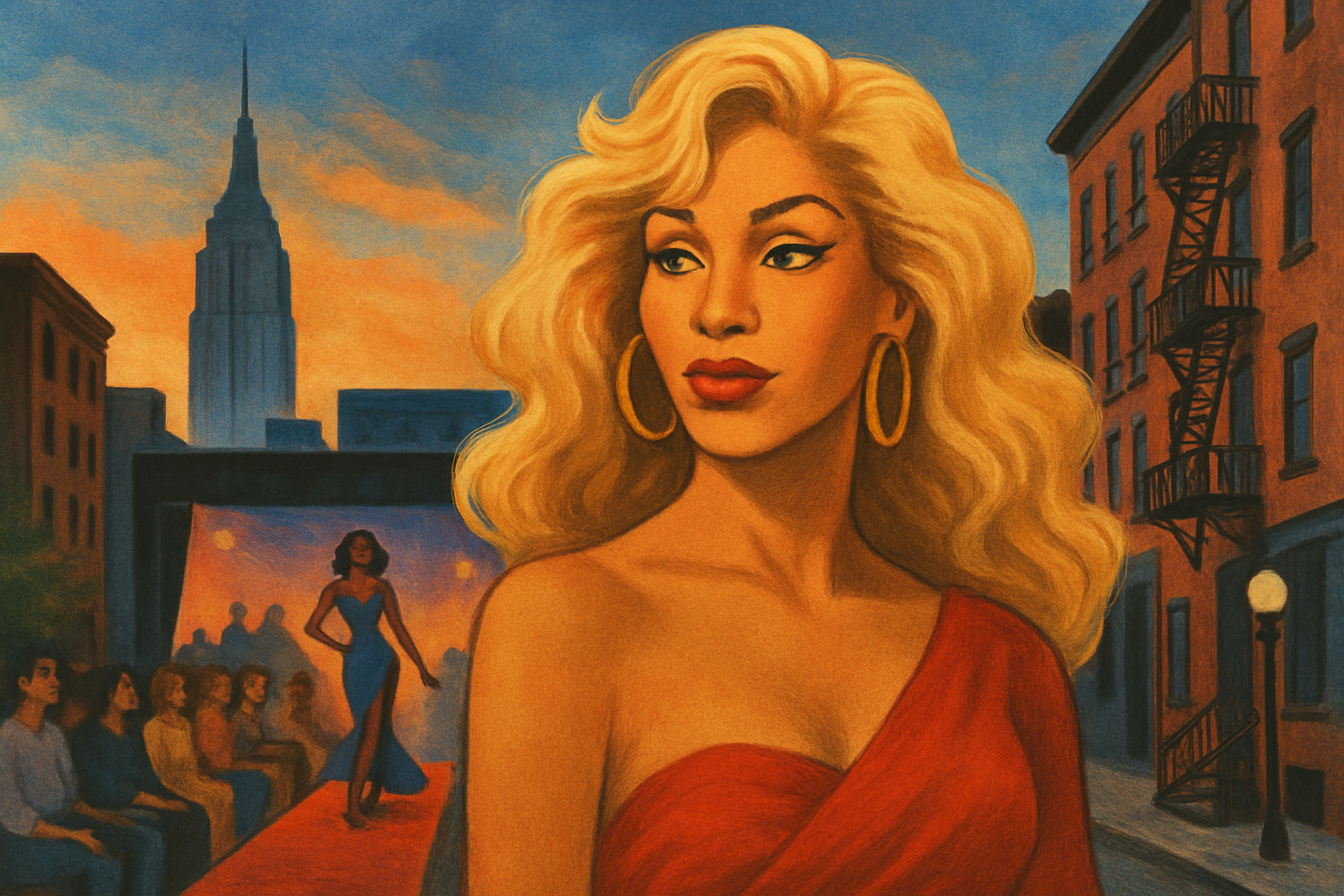
Venus Pellagatti Xtravaganza remains one of the most recognizable figures connected to New York City’s historic ball culture. A transgender woman and performer, she became known to a national audience through the 1990 documentary Paris Is Burning, which was directed by Jennie Livingston and released after her death.
Xtravaganza was born in Jersey City, New Jersey, on May 5, 1965. Her parents were of Italian-American and Puerto Rican descent, and she grew up with four brothers. She later adopted the name Venus after a close friend suggested it. Her story, however, was shaped by more than a chosen name: it reflected her effort to build a life and identity beyond the limits she experienced at home.
In Paris Is Burning, Xtravaganza described beginning to cross-dress and perform when she was about 13 or 14. That places the start of her earliest performances around 1978 or 1979. She eventually left her family home, explaining that she did not want to cause embarrassment for her family, and moved in with her grandmother in Jersey City while pursuing her identity.
Her connection to ballroom began in 1983, when Hector Valle invited her to join the House of Xtravaganza. The house became an important part of her life and of the documentary’s narrative. Ballroom houses offered community and a setting for performance, competition, and self-expression for LGBTQ people. Xtravaganza’s presence in that world helped make her story a central thread in a film that brought New York’s ball culture to viewers far beyond the city.
Xtravaganza was murdered on December 21, 1988, at age 23. Her death remained unsolved, and she appeared in Paris Is Burning posthumously. The film’s account of her ambitions, relationships, and vulnerability gave audiences an intimate view of a young transgender woman navigating family, identity, and the search for belonging.
More than three decades after the documentary’s release, Xtravaganza’s name continues to circulate in LGBTQ cultural history. Her life is remembered alongside the broader history of New York’s ballroom communities, while the circumstances of her murder underscore the dangers faced by transgender people whose lives were often overlooked or misunderstood. Her story endures not because it can be reduced to tragedy, but because it records her presence: a performer, a member of the House of Xtravaganza, and a young woman seeking recognition on her own terms.
Source and reuse information This backgrounder adapts factual material from “Venus Xtravaganza” on Wikipedia: https://en.wikipedia.org/wiki/Venus_Xtravaganza The adapted text is released under the Creative Commons Attribution-ShareAlike 4.0 International license (CC BY-SA 4.0): https://creativecommons.org/licenses/by-sa/4.0/. This story has not been independently reviewed or fact-checked.
Further links listed by the Wikipedia page (not independently checked): - https://www.facebook.com/HouseOfXtravaganza/posts/580853058643340 - https://www.billboard.com/articles/news/pride/8462404/mike-pellagatti-interview-venus-xtravaganza - https://www.dazeddigital.com/fashion/article/17921/1/the-legacy-of-venus-xtravaganza - https://viaf.org/viaf/1239150748993516420009 - https://web.archive.org/web/20190414042048/http://www.dazeddigital.com/fashion/article/17921/1/the-legacy-of-venus-xtravaganza - https://web.archive.org/web/20180625202657/https://www.billboard.com/articles/news/pride/8462404/mike-pellagatti-interview-venus-xtravaganza Image rights Original illustrative artwork created from story keywords. It is illustrative, not a documentary photograph.