LGBTQ+ · New York City
Salsa Soul Sisters: New York’s Black Lesbian Organizing Legacy
Founded amid the post-Stonewall movement, the Salsa Soul Sisters created a New York City space where Black and other women of color could organize around racism, lesbian identity, and community needs.
By KLGBT News Desk ·
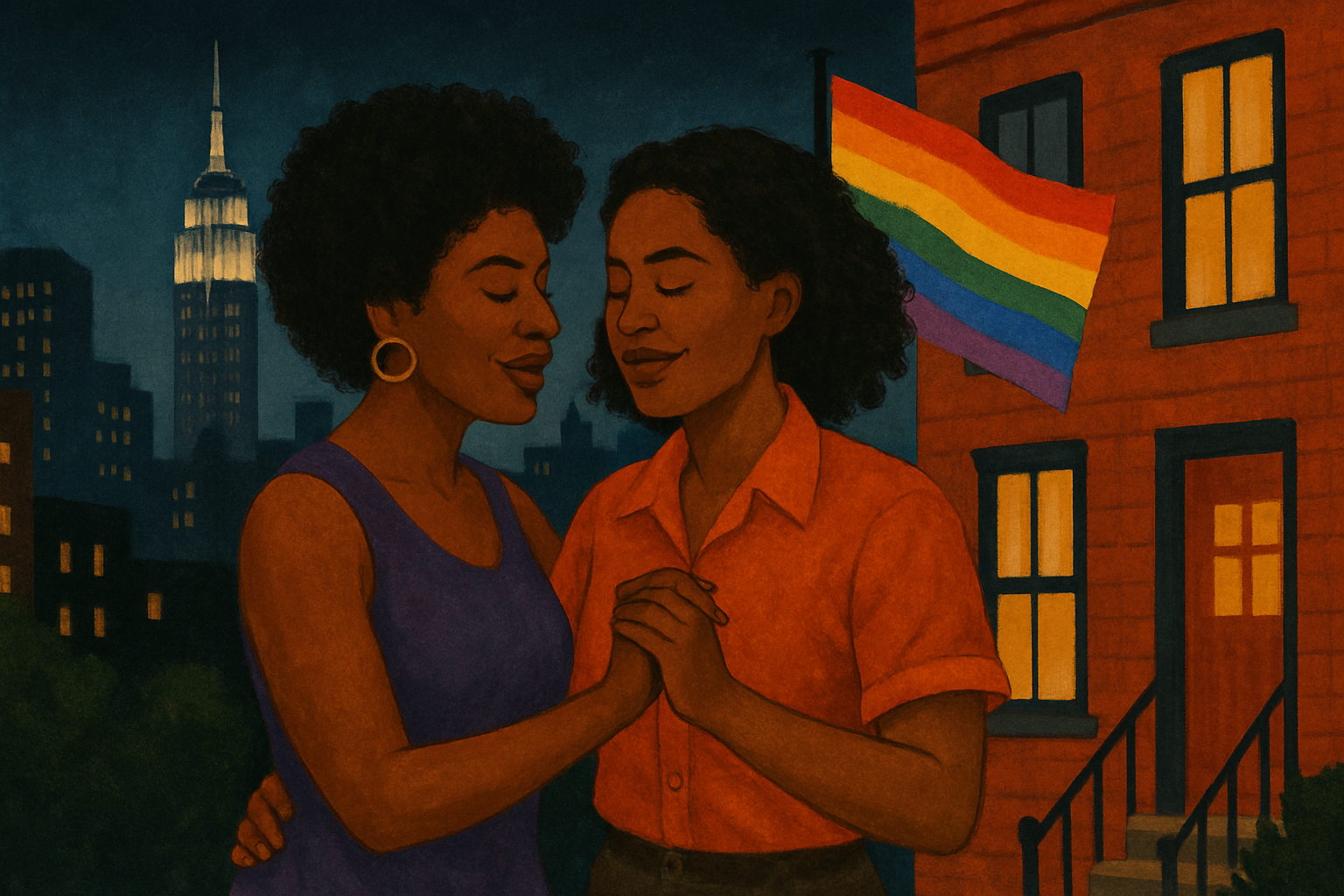
In the years after the 1969 Stonewall uprising, New York City’s LGBTQ+ movement was expanding—but it did not always address the experiences of women of color. The Salsa Soul Sisters emerged from that gap, building an autonomous space for Black lesbians and other women of color to shape organizing around their own lives.
The group traces its roots to the Gay Liberation Front, formed in New York after Stonewall, and the Gay Activists Alliance, which emerged after a split within the movement that same year. Dolores Jackson, a local minister and GAA member, recognized that racism affecting lesbians of color needed focused attention. In 1971, she and other GAA members created the Black Lesbian Caucus within the organization.
Three years later, the caucus reorganized as Salsa Soul Sisters, Third World Wimmin Inc. The group identified itself through several connected lenses: lesbian, womanist, and women of color. Its purpose was not simply to provide fellowship. It was also intended as a safe setting in which members could discuss their needs and confront the political and social forces shaping their community.
The organization is recognized as the oldest Black lesbian organization in the United States. Its history is especially significant in New York, where post-Stonewall activism helped create new possibilities for LGBTQ+ political work while also exposing conflicts over race, gender, and whose priorities received attention.
Salsa Soul Sisters operated from 1974 through 1993. During its history, disagreements within the organization eventually produced two groups. Latina lesbians formed Las Buenas Amigas, while African-diaspora lesbians continued as African Ancestral Lesbians United for Societal Change. The latter name is the organization’s name today.
That split is part of a larger story about the challenges of building movements across different racial, cultural, and ethnic experiences. It also shows why autonomous organizing mattered: communities could create structures centered on concerns that broader LGBTQ+ institutions sometimes overlooked.
For New York City’s LGBTQ+ history, the Salsa Soul Sisters represent more than a chapter in the aftermath of Stonewall. They demonstrate how Black lesbians helped define the city’s liberation movement on their own terms, linking identity, racial justice, safety, and collective political action. Their legacy remains tied to the work of making LGBTQ+ organizing more responsive to the people it claims to represent.
Source and reuse information This backgrounder adapts factual material from “Salsa Soul Sisters” on Wikipedia: https://en.wikipedia.org/wiki/Salsa_Soul_Sisters The adapted text is released under the Creative Commons Attribution-ShareAlike 4.0 International license (CC BY-SA 4.0): https://creativecommons.org/licenses/by-sa/4.0/. This story has not been independently reviewed or fact-checked.
Further links listed by the Wikipedia page (not independently checked): - https://nmaahc.si.edu/lgbtq/salsa-soul-sisters - https://www.nyhistory.org/blogs/we-are-never-in-it-alone-revisiting-an-evening-with-salsa-soul-sisters - https://web.archive.org/web/20220712004018/https://www.nyhistory.org/blogs/we-are-never-in-it-alone-revisiting-an-evening-with-salsa-soul-sisters - https://books.google.ca/books?redir_esc=y&id=d9lhBw8t410C&q=salsa#v=snippet&q=salsa&f=false - https://books.google.ca/books?redir_esc=y&id=2MuHuOfr1cwC&q=salsa#v=snippet&q=buenas&f=false - https://books.google.ca/books?redir_esc=y&id=RWGGAAAAIAAJ&focus=searchwithinvolume&q=historically+exploited Image rights Original illustrative artwork created from story keywords. It is not a documentary photograph.