LGBTQ+ · New York City
Stonewall in New York City: A Turning Point in LGBTQ+ History
The 1969 Stonewall uprising in Greenwich Village helped mark a new chapter for LGBTQ+ rights movements in New York, across the United States and around the world.
By KLGBT News Desk ·
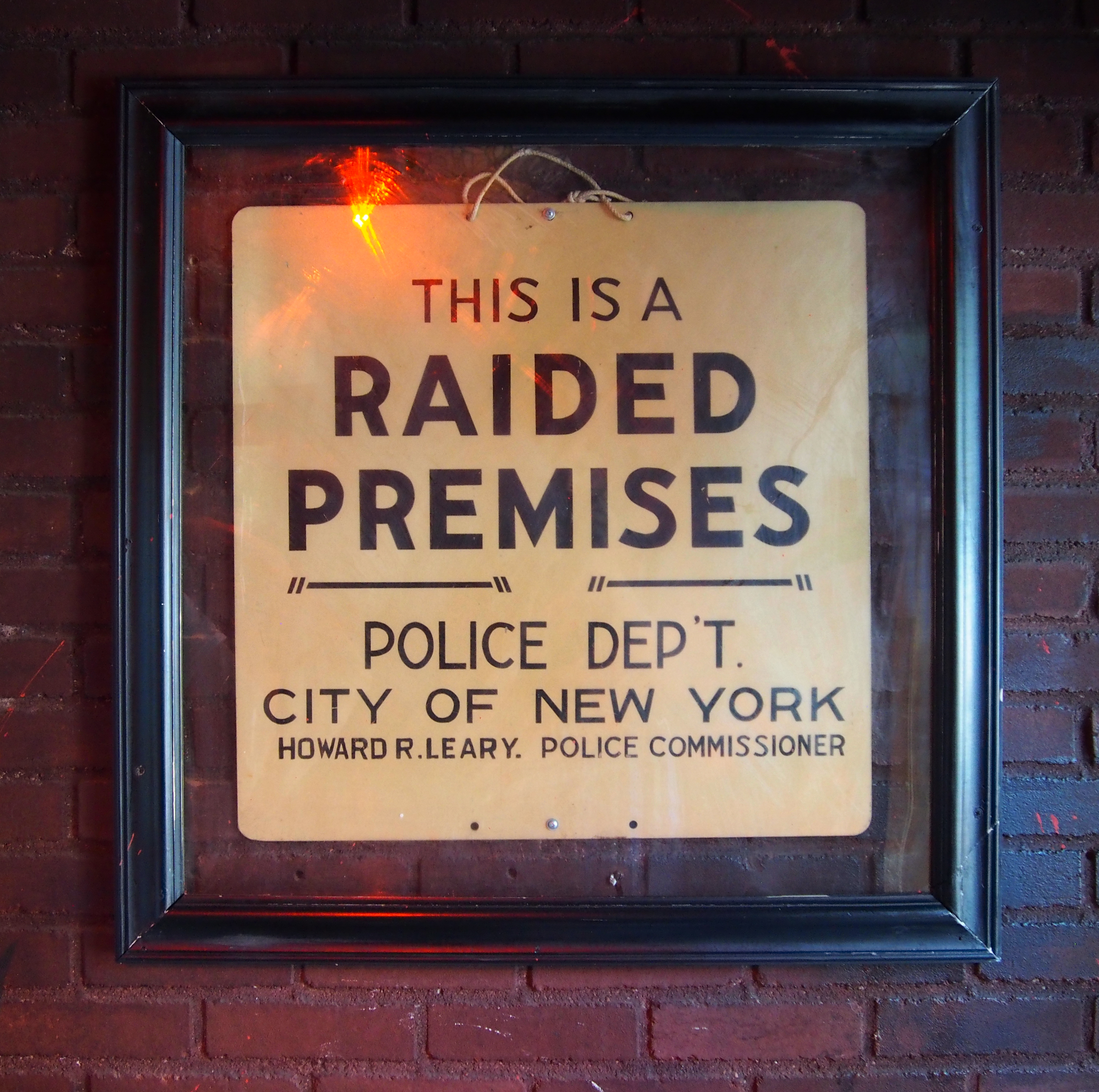
In the early morning of June 28, 1969, a police raid at the Stonewall Inn in Greenwich Village prompted a series of demonstrations and riots. The events took place in Lower Manhattan, making Stonewall a central part of New York City’s LGBTQ+ history as well as a milestone in the broader struggle for LGBTQ+ rights.
The uprising did not represent the first instance of LGBTQ+ people in the United States resisting government-sponsored persecution. It nevertheless came to signify a new beginning for the gay rights movement in the United States and internationally. The name Stonewall now refers not only to the location and the events surrounding the raid, but also to a major shift in how that movement is remembered.
The context was a legal and social system that treated gay men and lesbians harshly during the 1950s and 1960s. The source describes the American legal environment of that period as more hostile toward homosexuality than the systems in some other Western and Eastern countries. In response, early homophile organizations generally pursued an assimilationist approach. They sought to demonstrate that gay people could participate in society and emphasized education aimed at both homosexual and heterosexual audiences.
By the late 1960s, however, the country was experiencing intense political and social conflict. The civil rights movement, the era’s counterculture and antiwar demonstrations were all active. Those movements, along with a more liberal environment, formed part of the setting in which Stonewall occurred. The demonstrations that followed the raid reflected a more contentious moment than the non-confrontational strategies associated with earlier homophile organizing.
For New York City, Stonewall remains especially significant because the events were rooted in a specific neighborhood and venue in Lower Manhattan. Its local setting connects a national and international movement milestone to the history of Greenwich Village, where the confrontation unfolded. The Stonewall Inn consequently became associated with resistance to police action and to the wider structures of persecution described in accounts of the period.
Stonewall’s lasting importance lies in the way it is understood as both a local uprising and a catalyst in LGBTQ+ political history. It belongs to a longer record of resistance, while also marking a change in the movement’s direction and public meaning. Any account of LGBTQ+ history in New York City therefore places the Stonewall riots within two overlapping stories: the city’s own history of organizing and conflict, and the development of a movement whose influence extended well beyond New York.
Source and reuse information This automatically generated backgrounder adapts text from “Stonewall riots” on Wikipedia: https://en.wikipedia.org/wiki/Stonewall_riots The adapted text is released under the Creative Commons Attribution-ShareAlike 4.0 International license (CC BY-SA 4.0): https://creativecommons.org/licenses/by-sa/4.0/. The source article’s linked references are provided below where available. This story has not been independently reviewed or fact-checked.
Further links listed by the Wikipedia page (not independently checked): - https://web.archive.org/web/20090712035407/http://www.washblade.com/2009/6-26/view/editorial/14790.cfm - https://vimeo.com/35975275 - https://www.washingtonpost.com/news/post-politics/wp/2016/06/24/with-stonewall-obama-designates-first-national-momument-to-gay-rights-movement/ - https://www.nycgovparks.org/parks/christopher-park/monuments/575 - https://news.yahoo.com/s/ap/20110625/ap_on_re_us/us_gay_marriage_ny_reaction - https://query.nytimes.com/gst/abstract.html?res=9D0DE5DB1639EF3BBC4151DFB0668382679EDE Image rights Photograph description: The "raided premises" sign just inside the door at the Stonewall Inn, a gay bar on Christopher Street in Manhattan's Greenwich Village. A 1969 police raid here led to the Stonewall riots , one of the most important events in the history of LGBT rights (and the history of the United States). This picture was taken on pride weekend in 2016, the day after President Obama announced the Stonewall Natio Creator: Rhododendrites. License: CC BY-SA 4.0 (https://creativecommons.org/licenses/by-sa/4.0). Original image page: https://commons.wikimedia.org/wiki/File%3AStonewall_Inn_raid_sign_pride_weekend_2016.jpg. The image was resized for display; no other changes were made.