LGBTQ+ · New York City
When the Pink Panthers Patrolled New York Against Anti-LGBTQ Violence
Founded in New York City in 1990, the Pink Panthers Patrol organized civilian foot patrols in LGBTQ neighborhoods amid frequent anti-LGBTQ attacks.
By KLGBT News Desk ·
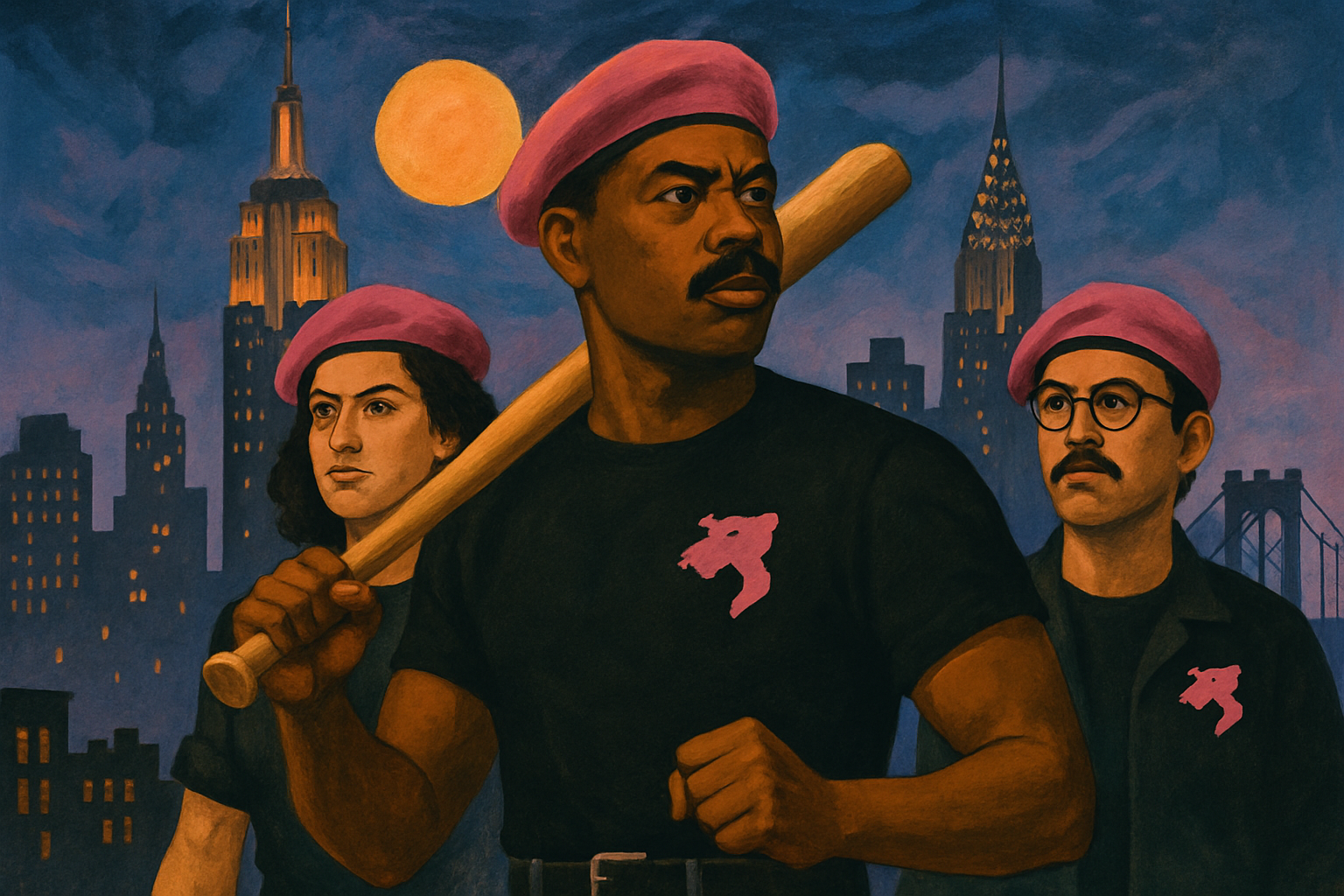
In the summer of 1990, members of Queer Nation formed a civilian patrol group in New York City with a specific goal: confronting anti-LGBTQ violence in Manhattan’s West Village. Known as the Pink Panthers Patrol, or simply the Pink Panthers, the organization emerged at a time when attacks on LGBTQ people were regularly reported on city streets.
The group’s approach was rooted in neighborhood presence. Volunteers organized into teams and walked through areas where assaults against LGBTQ people were especially common. In New York, the patrols generally covered Greenwich Village and the East Village, including streets where members believed their visibility could help deter attackers and provide assistance during an incident.
Patrollers carried whistles intended to frighten off assailants. Some teams also used citizens band radios to summon help. If a situation required additional support, members sought assistance from police. When an attack occurred, the patrol’s stated role was to intervene on behalf of the person being targeted.
Gerri Wells, one of the group’s co-founders, said the organization’s name drew inspiration from both the Black Panthers and the Gray Panthers. Its emblem adapted the pink triangle—long associated with LGBTQ history—by placing a paw print inside it.
The organization attracted approximately 150 members soon after it was established. That early recruitment reflected a form of community self-defense shaped by the conditions of the period: LGBTQ New Yorkers were not only seeking recognition and political rights, but also ways to respond directly to violence in their own neighborhoods.
The Pink Panthers’ patrol model placed civilian participation at the center of its work. Rather than operating solely through formal institutions, members made themselves visible on foot, carried simple communication tools, and prepared to respond when someone faced danger. Their activities connected the broader liberation movement with the practical realities of moving through New York City’s LGBTQ neighborhoods.
Although the patrols belonged to a particular moment in the city’s LGBTQ history, their formation documents how community members organized around safety during a period of frequent anti-LGBTQ attacks. The Pink Panthers were created not as a conventional advocacy office, but as a street-level neighborhood watch whose members aimed to protect people where violence was taking place.
Source and reuse information This backgrounder adapts factual material from “Pink Panthers (advocacy group)” on Wikipedia: https://en.wikipedia.org/wiki/Pink_Panthers_(advocacy_group) The adapted text is released under the Creative Commons Attribution-ShareAlike 4.0 International license (CC BY-SA 4.0): https://creativecommons.org/licenses/by-sa/4.0/. This story has not been independently reviewed or fact-checked.
Further links listed by the Wikipedia page (not independently checked): - https://www.nytimes.com/1991/05/27/nyregion/gay-patrol-and-mgm-in-a-battle-over-name.html - https://www.nytimes.com/1991/10/05/nyregion/gay-group-can-t-call-itself-pink-panthers.html - https://law.justia.com/cases/federal/district-courts/FSupp/774/869/1425924/ - https://web.archive.org/web/20240314185639/https://www.washingtonpost.com/archive/lifestyle/1990/09/19/patrol-of-the-pink-panthers/54b667cd-6265-44af-99a3-f0aaa4ecae36/ - https://www.washingtonpost.com/archive/lifestyle/1990/09/19/patrol-of-the-pink-panthers/54b667cd-6265-44af-99a3-f0aaa4ecae36/ - https://web.archive.org/web/20250422170944/https://gaycitynews.com/gerri-wells-veteran-community-activist-dies-70/ Image rights Original illustrative artwork created from story keywords. It is not a documentary photograph.