Culture · Raleigh
North Carolina Museum of Art: A Raleigh Institution Built for the State
With a Raleigh campus, free permanent-collection admission and a 164-acre park, the North Carolina Museum of Art connects more than 5,000 years of art history with a major public landscape.
By KLGBT News Desk ·
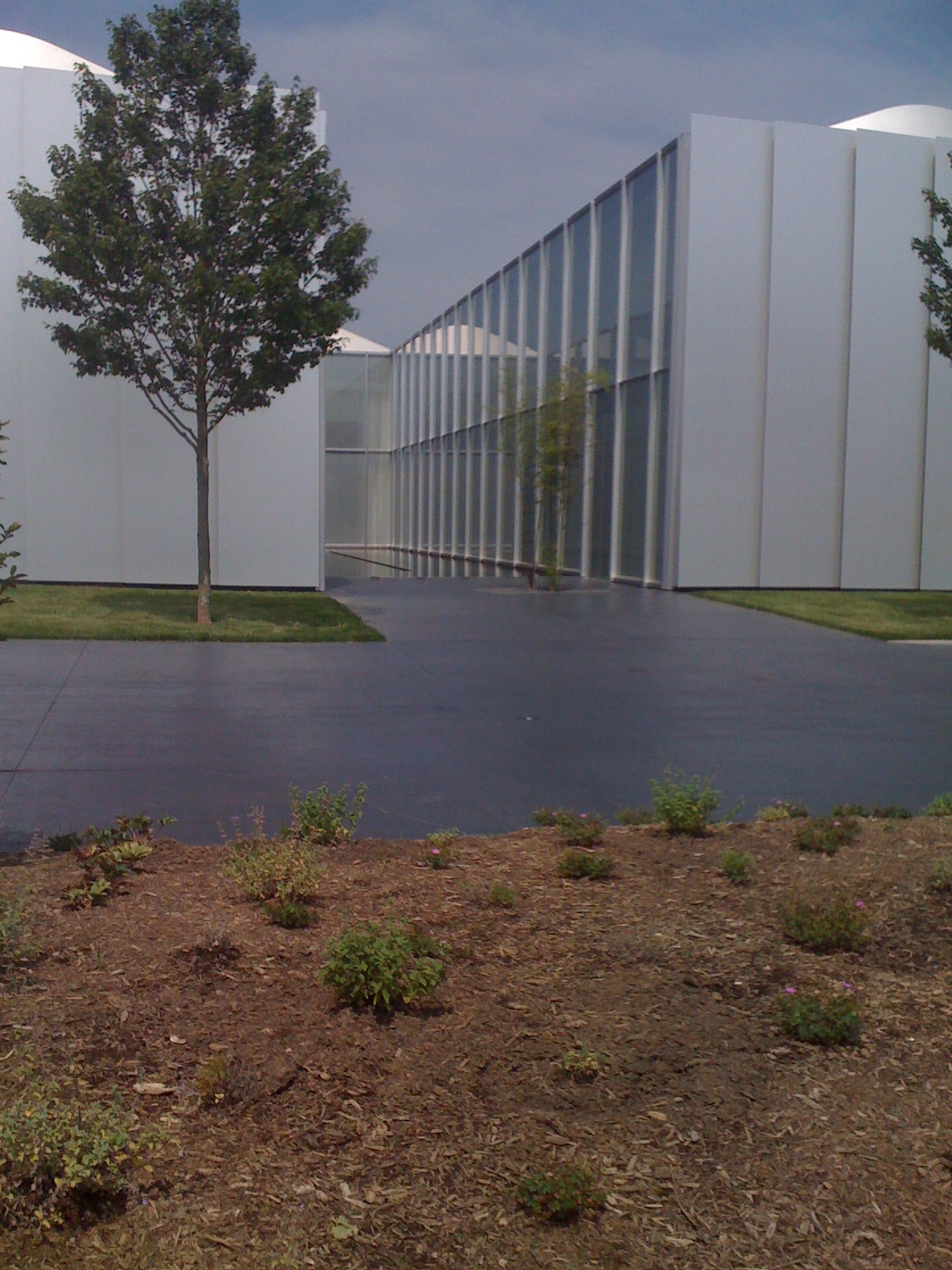
The North Carolina Museum of Art is one of Raleigh’s major cultural institutions, with a history rooted in the state’s effort to make art accessible to the public. The museum’s primary campus is in Raleigh, and it also operates a satellite campus in Winston-Salem.
The institution traces its origins to the North Carolina State Art Society, formed in 1924 to build support for a state art museum. In 1928, the society secured funding, and 75 paintings went on display the following year in temporary exhibition spaces in Raleigh’s Agriculture Building. The museum moved to the former Supreme Court building in 1939.
A major turning point came in 1947, when the state legislature appropriated $1 million to establish the museum’s collection. The museum opened in 1956, becoming the first major museum collection in the country formed through state legislation and funding. Since the appropriation that launched the collection, admission to the permanent collection has remained free.
The collection spans more than 5,000 years, reaching from antiquity to the present. Visitors encounter the holdings across more than 40 galleries, while the museum’s grounds extend the experience outdoors. The Raleigh campus includes a 164-acre park with more than a dozen outdoor works. The park is described as one of the largest museum parks in the United States, giving the institution a role not only as an indoor gallery but also as a public landscape.
The museum’s current physical footprint includes the West Building, a 127,000-square-foot expansion that opened in 2010. Its energy-efficient design received an international design award. That addition expanded the museum’s facilities while reinforcing its place as a contemporary cultural destination in Raleigh.
For residents and visitors, the NCMA combines several kinds of access in one institution: a permanent collection available without an admission charge, galleries covering a broad span of art history, and outdoor works situated across a large park. Its development also reflects a distinctive public model. Rather than beginning as a privately established collection, the museum grew through organized civic advocacy and state support, eventually becoming a statewide institution with campuses in both Raleigh and Winston-Salem.
Source and reuse information This automatically generated backgrounder adapts text from “North Carolina Museum of Art” on Wikipedia: https://en.wikipedia.org/wiki/North_Carolina_Museum_of_Art The adapted text is released under the Creative Commons Attribution-ShareAlike 4.0 International license (CC BY-SA 4.0): https://creativecommons.org/licenses/by-sa/4.0/. The source article’s linked references are provided below where available. This story has not been independently reviewed or fact-checked.
Further links listed by the Wikipedia page (not independently checked): - https://www.facebook.com/ncartmuseum/ - https://twitter.com/ncartmuseum - https://d-nb.info/gnd/1044550-X - https://web.archive.org/web/20121019013914/http://ncartmuseum.org/images/uploads/MuseumBackgrounder.pdf - https://viaf.org/viaf/128720346 - https://aleph.nkp.cz/F/?func=find-c&local_base=aut&ccl_term=ica=ko2003195600&CON_LNG=ENG Image rights Photograph description: North Carolina Art Museum Creator: Sam Shaber. License: CC BY-SA 3.0 (https://creativecommons.org/licenses/by-sa/3.0). Original image page: https://commons.wikimedia.org/wiki/File%3ANorth_Carolina_Art_Museum_-_panoramio.jpg. The image was resized for display; no other changes were made.