Culture · Saint Louis
Saint-Louis, Senegal: A Historic River City Facing Climate Risk
Saint-Louis remains a major cultural and economic landmark in northwestern Senegal, with a history shaped by colonial administration, trade, tourism, fishing and its position near the Senegal River’s mouth.
By KLGBT News Desk ·
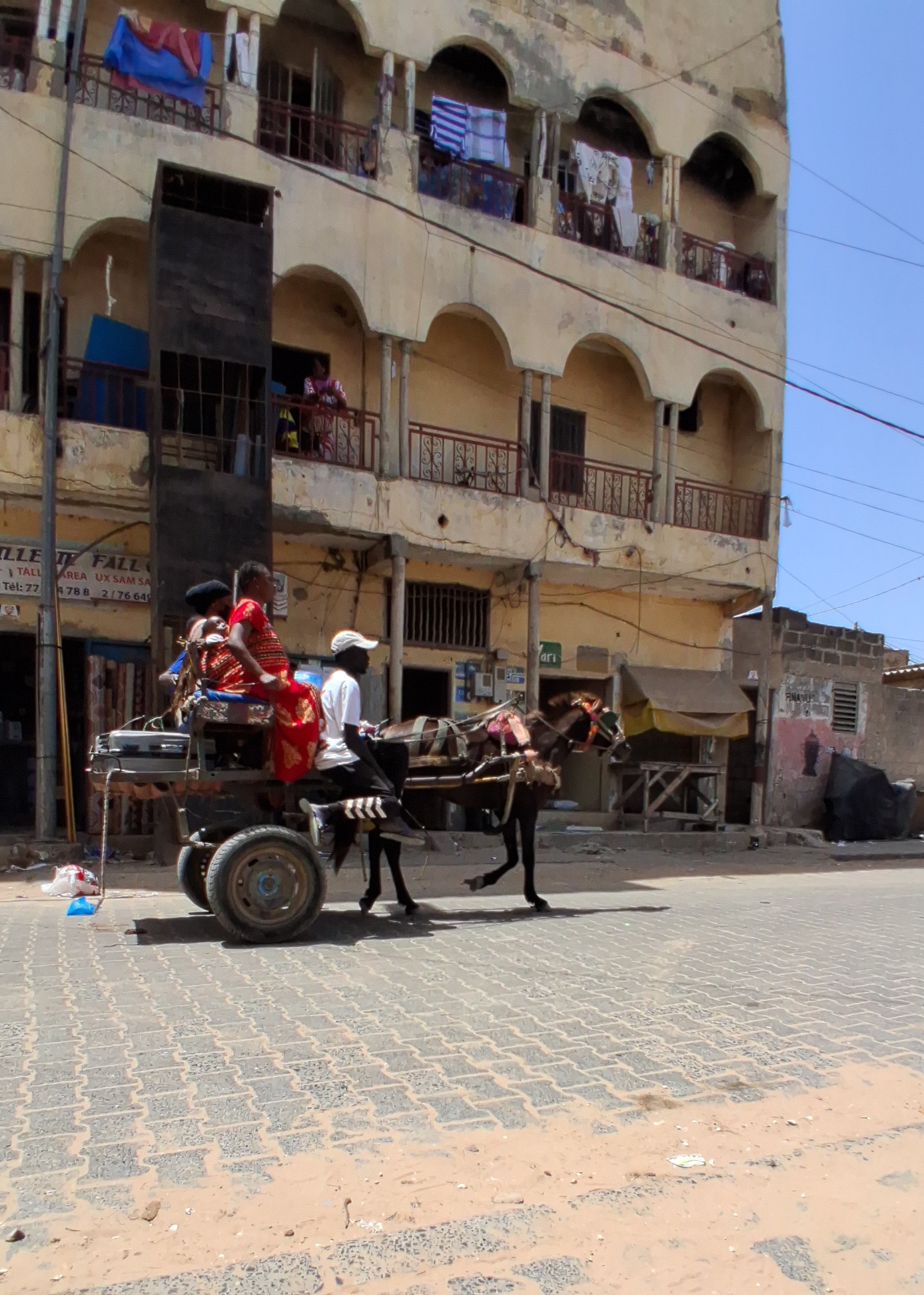
Saint-Louis is the capital of Senegal’s Saint-Louis Region and a city in the country’s northwest, near the mouth of the Senegal River. It lies about 320 kilometres north of Dakar, Senegal’s capital. The city had a population of 254,171 in 2023.
Known in Wolof as Ndar, Saint-Louis has played a significant administrative role in the region. It served as the capital of the French colony of Senegal from 1673 to 1902. During part of that period, it was also the capital of French West Africa, from 1895 until 1902. When the colonial capital moved to Dakar in 1902, Saint-Louis lost that position. From 1920 to 1957, the city additionally served as the capital of the neighboring colony of Mauritania.
Those successive roles helped establish Saint-Louis as an important center during the French West African period. Its economic significance has since declined, but the city continues to support several major activities. The extract identifies tourism, commerce, sugar production and fishing among its important industries.
Tourism is linked in part to Saint-Louis’s recognition as a UNESCO World Heritage Site in 2000. That designation places the city’s historic character within an international heritage framework, while its present-day economy continues to include commercial and industrial activity. The combination of historical importance and ongoing economic life makes Saint-Louis more than a former colonial capital: it remains a regional center with a distinct place in Senegal’s history.
At the same time, the city faces serious environmental vulnerability. Sea-level rise is expected to threaten the city center and could damage historic areas. A Senegalese government study cited in the extract estimates that as much as 80 percent of the city could be at risk of flooding by 2080. The projection highlights a tension at the heart of Saint-Louis’s future: the same historic areas that contribute to its cultural and tourism significance may also be among those exposed to climate-related damage.
Overfishing is also identified as an issue affecting the city. Together, flood risk and pressure on fishing point to challenges that extend across Saint-Louis’s built environment, heritage and economy. For residents and visitors alike, the city’s story is therefore not only about its colonial past or World Heritage status. It is also about how a major river-and-coastal community can protect its historic identity while confronting long-term environmental and economic pressures.
Source and reuse information This automatically generated backgrounder adapts text from “Saint-Louis, Senegal” on Wikipedia: https://en.wikipedia.org/wiki/Saint-Louis,_Senegal The adapted text is released under the Creative Commons Attribution-ShareAlike 4.0 International license (CC BY-SA 4.0): https://creativecommons.org/licenses/by-sa/4.0/. The source article’s linked references are provided below where available. This story has not been independently reviewed or fact-checked.
Further links listed by the Wikipedia page (not independently checked): - https://viaf.org/viaf/145458067 - https://web.archive.org/web/20060423164551/http://www.ugb.sn/accueil.htm - https://web.archive.org/web/20071221050328/http://www.au-senegal.com/decouvrir_en/parc_barbarie.htm - https://web.archive.org/web/20071221050333/http://www.au-senegal.com/decouvrir_en/pop.htm - https://web.archive.org/web/20120113210359/http://festivalmetissons.com/ - https://d-nb.info/gnd/4118222-4 Image rights Photograph description: Street Scene Creator: Adjoajo. License: CC BY-SA 3.0 (https://creativecommons.org/licenses/by-sa/3.0). Original image page: https://commons.wikimedia.org/wiki/File%3ASaint-Louis%2C_Senegal_(10042).jpg. The image was resized for display; no other changes were made.