Beyond the Bay · Saint Louis
What Cortex Represents in St. Louis’s Midtown
Cortex is a 200-acre innovation district in St. Louis’s Midtown neighborhood, built around technology, biological science research, development and commercialization.
By KLGBT News Desk ·
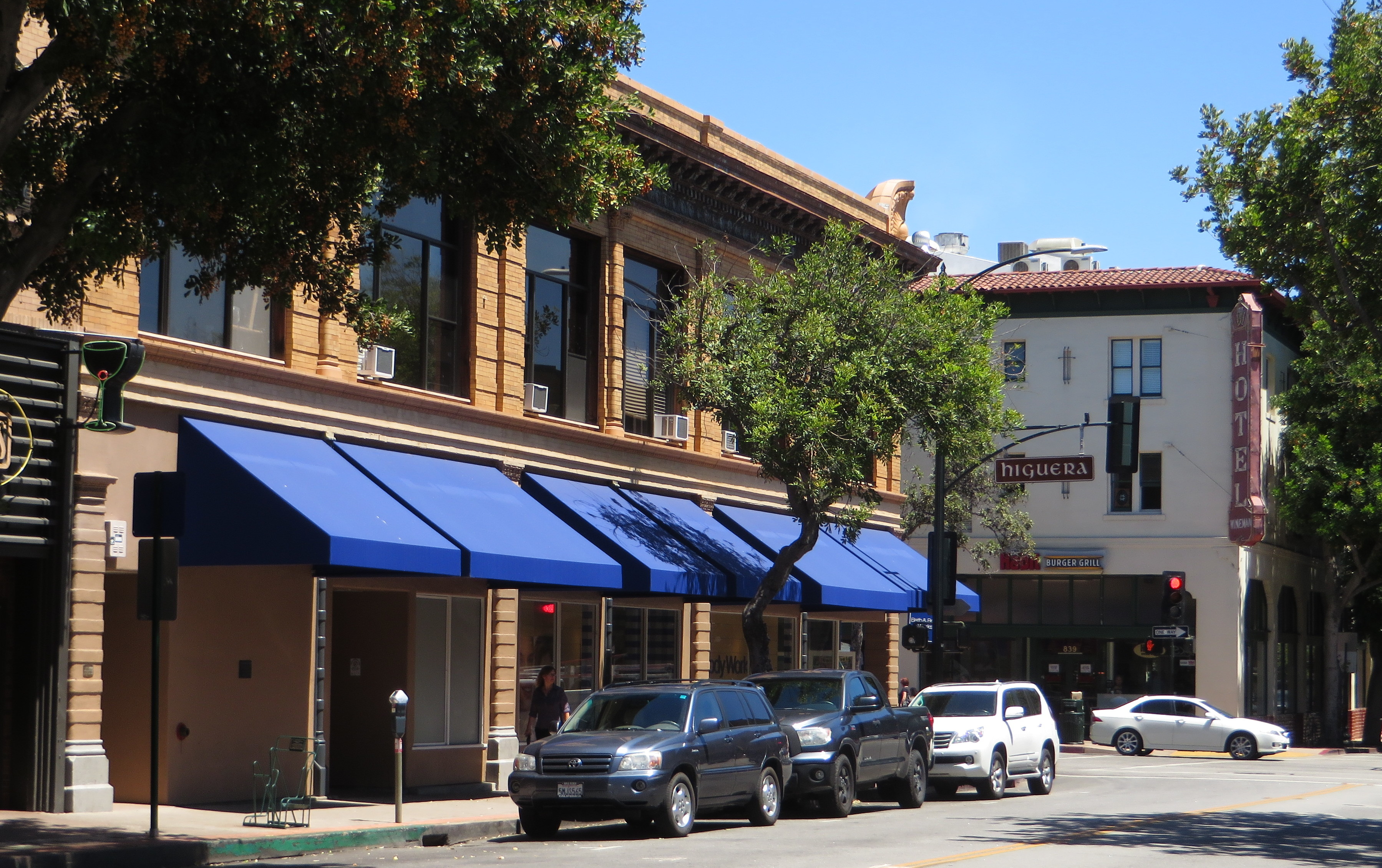
Cortex is a 200-acre innovation district in St. Louis’s Midtown neighborhood. Its focus is technology and biological science research, development and commercialization, making it a major setting for the city’s technology startups.
The district sits near several major institutions: Washington University School of Medicine, Saint Louis University and Barnes-Jewish Hospital. That location places Cortex close to organizations connected with medicine, higher education and research, while its stated purpose is to help turn scientific and technological work into companies and commercial activity.
Cortex’s origins trace to an effort to build on St. Louis’s strengths in medicine and plant sciences. In 1998, William Henry Danforth, a former chancellor of Washington University in St. Louis, created the Coalition for Plant and Life Sciences. The group is now known as BioSTL and helped lead to the creation of the Donald Danforth Plant Science Center.
Danforth later worked with John Dubinsky, a financial consulting executive who eventually became chair of the Cortex board. The two studied Kendall Square in Cambridge, Massachusetts, as a model for developing an innovation-centered district. That planning helped shape the concept that became Cortex.
The district’s scale is described through both its existing footprint and its planned development. Cortex officials say the master plan calls for $2.3 billion in construction. The plan envisions more than 4.5 million square feet of mixed-use development and space for 13,000 technology jobs.
One major phase, known as Cortex 3.0, involved a $170 million expansion. The source identifies that expansion as completed in fall 2018.
Taken together, Cortex’s history presents it as more than a collection of startup offices. It is a long-term development project tied to St. Louis’s medical, academic and scientific institutions, with ambitions spanning research, business formation and urban construction. Its story also reflects an attempt to connect local expertise in life sciences with the broader technology economy.
For St. Louis, the district provides a visible example of how redevelopment can be organized around research and commercialization rather than a single company or institution. Its stated plans also make Cortex a significant part of the city’s conversation about jobs, mixed-use construction and the future role of Midtown as a center for innovation.
Source and reuse information This automatically generated backgrounder adapts text from “Cortex Innovation Community” on Wikipedia: https://en.wikipedia.org/wiki/Cortex_Innovation_Community The adapted text is released under the Creative Commons Attribution-ShareAlike 4.0 International license (CC BY-SA 4.0): https://creativecommons.org/licenses/by-sa/4.0/. The source article’s linked references are provided below where available. This story has not been independently reviewed or fact-checked.
Further links listed by the Wikipedia page (not independently checked): - https://cortexstl.com/ - https://cortexstl.com/the-district/ - https://cetstl.com/ - https://cic.com/stlouis - https://source.wustl.edu/2018/07/cortex-metrolink-station-to-open-july-31/ - https://www.stltoday.com/business/local/developer-plans-more-buildings-in-st-louis-booming-cortex-innovation/article_a5a0a77d-b077-51c6-8627-1df0e0fe49fb.html Image rights Photograph description: San Luis Obispo (or SLO for short) is a city in the U.S. state of California, located 190 miles north of Los Angeles in Southern California's Central Coast region. The population was 45,119 at the 2010 census. The population of San Luis Obispo County was 269,637 in 2010. Founded in 1772 by Spanish Franciscan Junípero Serra, San Luis Obispo is one of California's oldest European-founded communities Creator: Ken Lund from Reno, Nevada, USA. License: CC BY-SA 2.0 (https://creativecommons.org/licenses/by-sa/2.0). Original image page: https://commons.wikimedia.org/wiki/File%3ASan_Luis_Obispo%2C_California_(28007156530)_(cropped).jpg. The image was resized for display; no other changes were made.