LGBTQ+ · San Francisco
Before Stonewall: Why Compton’s Cafeteria Matters to San Francisco’s Trans History
The 1966 Compton’s Cafeteria riot in the Tenderloin was an early LGBTQ uprising against police harassment and a turning point for transgender activism in San Francisco.
By KLGBT News Desk ·
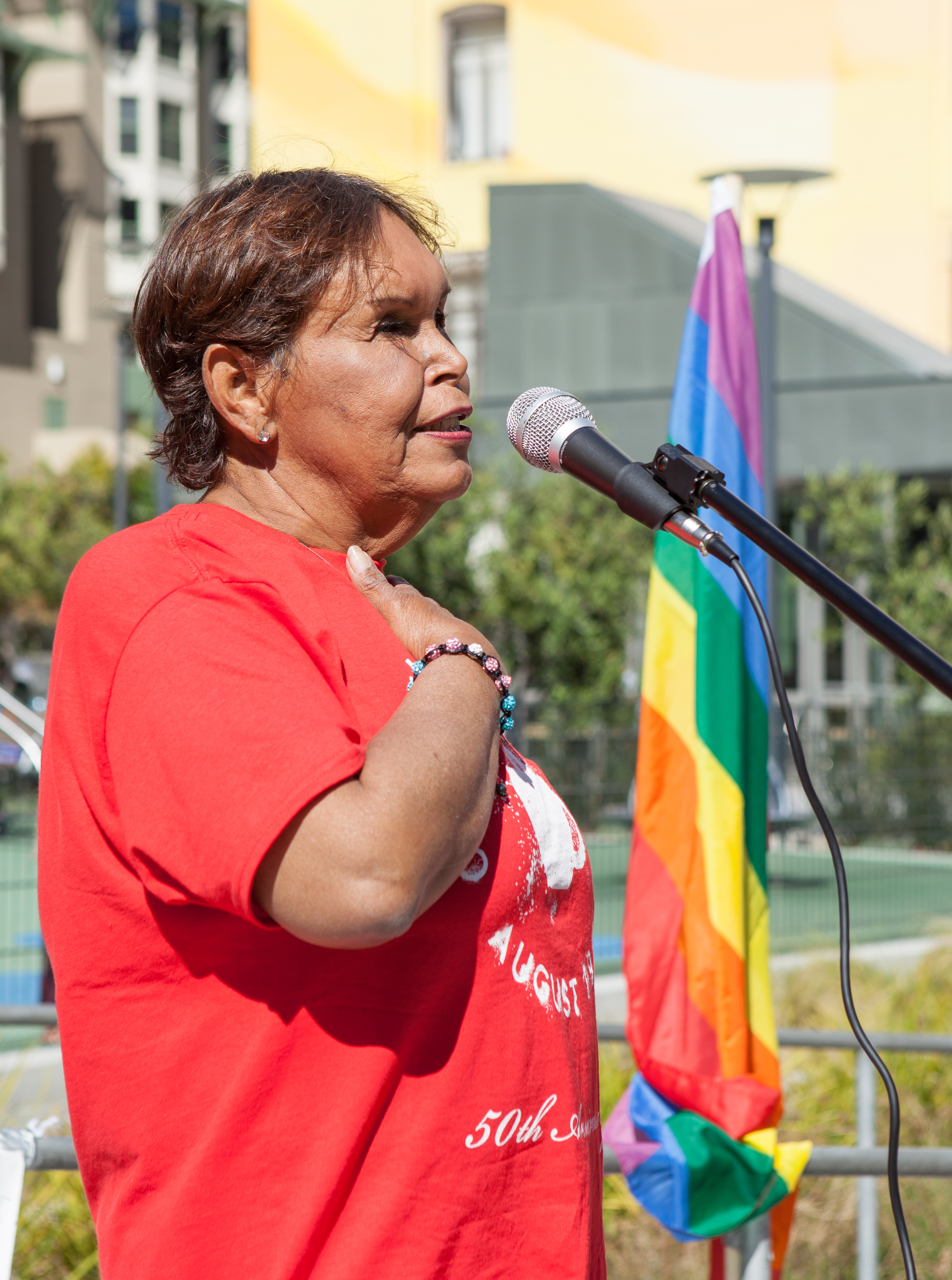
In August 1966, resistance to police harassment erupted at Compton’s Cafeteria in San Francisco’s Tenderloin district. The confrontation is recognized as one of the earliest LGBTQ-related riots in United States history and as a formative moment in the city’s transgender activism.
The incident grew out of persistent, violent harassment directed at transgender people, particularly trans women, as well as drag queens. Its significance lies not only in the confrontation itself, but also in what it represented: a refusal to accept official abuse as an unavoidable part of daily life for gender and sexual minorities.
Compton’s Cafeteria took place three years before the better-known 1969 Stonewall riots in New York City. Stonewall is frequently presented as the starting point of transgender rights and gay liberation activism in the United States, but the San Francisco uprising belongs to an earlier history of organized resistance. The Compton’s riot, together with the homophile movement that preceded it, helps place transgender activism within a longer development rather than treating it as a movement that suddenly appeared in 1969.
The broader setting was the social and political change of the 1960s. Civil rights and sexual-liberation movements were gaining strength, while the homophile movement of the 1950s had helped establish groundwork for later gay liberation and trans rights organizing. These developments created networks and ideas that could support communities confronting discrimination and police violence.
In San Francisco, support also came from some institutions outside established LGBTQ organizing. Glide Memorial Methodist Church began reaching out to the transgender community, illustrating how churches and other social groups could help people organize and build support. At the same time, many police officers resisted the growing visibility of transgender people and other sexual and gender minorities, continuing patterns of harassment and abuse.
That tension—between expanding community support and continued institutional hostility—forms the essential context for Compton’s Cafeteria. The riot is therefore remembered not simply as an isolated disturbance, but as part of a wider struggle over who could live openly and safely in San Francisco. It marks an early public challenge to policing practices that targeted trans people and drag queens, and it helped launch a local tradition of transgender activism.
For San Francisco, Compton’s remains an important reminder that LGBTQ history did not begin with its most famous national landmarks. The Tenderloin was already a site where transgender people faced sustained pressure and where resistance could take collective form. Remembering the 1966 uprising broadens the story of LGBTQ liberation and centers the transgender people whose activism preceded Stonewall.
Source and reuse information This automatically generated backgrounder adapts text from “Compton's Cafeteria riot” on Wikipedia: https://en.wikipedia.org/wiki/Compton%27s_Cafeteria_riot The adapted text is released under the Creative Commons Attribution-ShareAlike 4.0 International license (CC BY-SA 4.0): https://creativecommons.org/licenses/by-sa/4.0/. The source article’s linked references are provided below where available. This story has not been independently reviewed or fact-checked.
Further links listed by the Wikipedia page (not independently checked): - https://www.usatoday.com/news/nation/2006-06-24-transgendered_x.htm?POE=click-refer - https://web.archive.org/web/20160628150002/http://sfist.com/2016/06/25/video_politicians_booed_as_trans_ma.php - https://www.nytimes.com/2016/08/21/travel/san-francisco-gay-history.html - https://hoodline.com/2015/06/tenderloin-pride-remembering-the-compton-s-cafeteria-riot - https://www.npr.org/sections/codeswitch/2015/05/05/404459634/ladies-in-the-streets-before-stonewall-transgender-uprising-changed-lives - https://doi.org/10.1353%2Fwsq.0.0108 Image rights Photograph description: Felicia "Flames" Elizondo speaks at a celebration of the 50th anniversary of the Compton's Cafeteria Riot. Creator: Pax Ahimsa Gethen. License: CC BY-SA 4.0 (https://creativecommons.org/licenses/by-sa/4.0). Original image page: https://commons.wikimedia.org/wiki/File%3AFelicia_%22Flames%22_Elizondo_at_Compton's_Cafeteria_Riot_50th_anniversary.jpg. The image was resized for display; no other changes were made.