Culture · San Francisco
Johnny Mathis: A San Francisco-Connected Voice Across Generations
Johnny Mathis built a career from standards into a wide-ranging catalog, while his early biography includes a move by his family to San Francisco.
By KLGBT News Desk ·
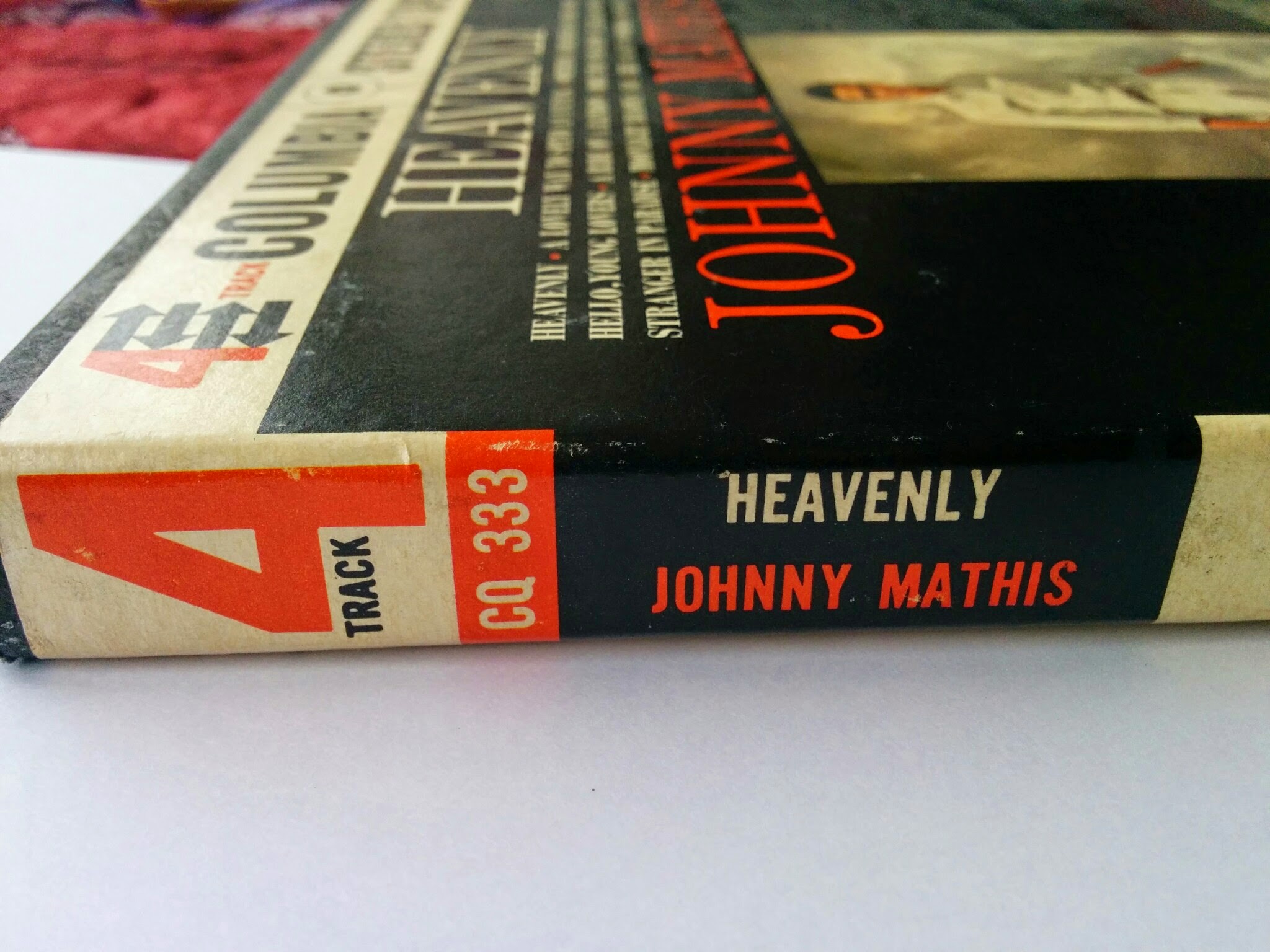
Johnny Mathis is widely associated with romantic songs, but that label captures only one part of a career spanning much of the modern recording era. Born in Gilmer, Texas, on September 30, 1935, Mathis was the fourth of seven children. His parents, Clem Mathis and Mildred Boyd, worked as domestic cooks. The supplied biographical account also identifies Mathis as African-American and notes that he has described Native American ancestry on his mother’s side.
Mathis’s family later moved to San Francisco. The available account does not provide the timing or circumstances of that move, but the city is part of the singer’s early-life story. That connection offers a local point of entry into the history of an artist whose work reached audiences well beyond any single genre or region.
He began recording with singles built around standard songs and went on to become one of the 20th century’s best-selling recording artists. His success was especially notable in the album market. Several of his albums reached gold or platinum status, and 73 appeared on the Billboard charts.
The breadth of Mathis’s catalog is easy to overlook when his music is described primarily through its romantic reputation. His recordings include traditional pop, Latin American music, soul, rhythm and blues, show tunes, Tin Pan Alley material, soft rock, blues and country music. He also explored disco, including songs recorded for the 1979 album “Mathis Magic.” Christmas music became another recurring part of his output: the source account credits him with seven holiday albums.
Mathis’s musical lineage, as he described it in a 1968 interview, included Lena Horne, Nat King Cole and Bing Crosby. Those influences help place his work within a tradition of polished popular singing while his discography demonstrates a willingness to move among styles.
Recognition followed across several generations of listeners. Mathis received the Grammy Lifetime Achievement Award and was inducted into the Grammy Hall of Fame for three recordings. Together, those honors reflect both the lasting reach of his voice and the significance of individual recordings within his larger body of work.
For San Francisco readers, Mathis’s story begins with a family whose path brought it from Texas to the city before his recording career became nationally prominent. The available biography leaves that local chapter largely unexplored, but it establishes San Francisco as an important setting in the background of an artist whose catalog crossed musical boundaries and endured across decades.
Source and reuse information This automatically generated backgrounder adapts text from “Johnny Mathis” on Wikipedia: https://en.wikipedia.org/wiki/Johnny_Mathis The adapted text is released under the Creative Commons Attribution-ShareAlike 4.0 International license (CC BY-SA 4.0): https://creativecommons.org/licenses/by-sa/4.0/. The source article’s linked references are provided below where available. This story has not been independently reviewed or fact-checked.
Further links listed by the Wikipedia page (not independently checked): - https://viaf.org/viaf/85492424 - https://www.idref.fr/084121564 - https://web.archive.org/web/20110122042616/http://www.grammy.org/recording-academy/awards/hall-of-fame - https://lasentinel.net/johnny-mathis.html - https://musicbrainz.org/artist/48896dee-a985-424d-9849-84802f7e79c9 - https://www.allmusic.com/artist/p3122 Image rights Photograph description: The 1959 prerecorded tape reel of Johny Mathis - Heavenly (Columbia CQ 333). Prerecorded quarter-inch tape was an expensive and inconvenient forman that didn't ever get a substantial share of the market. // Reel-to-rell recorders and magnetic tape by Sameer Verma Creator: Sameer Verma from San Francisco, USA. License: CC BY-SA 2.0 (https://creativecommons.org/licenses/by-sa/2.0). Original image page: https://commons.wikimedia.org/wiki/File%3APrerecorded_Columbia_tape_reel_(16699534770).jpg. The image was resized for display; no other changes were made.