LGBTQ+ · San Francisco
San Francisco Was Among the First Cities to March for LGBTQ Liberation
When Pride Month returns each June, San Francisco’s place in its history reaches back to the first national wave of LGBTQ marches in 1970.
By KLGBT News Desk ·
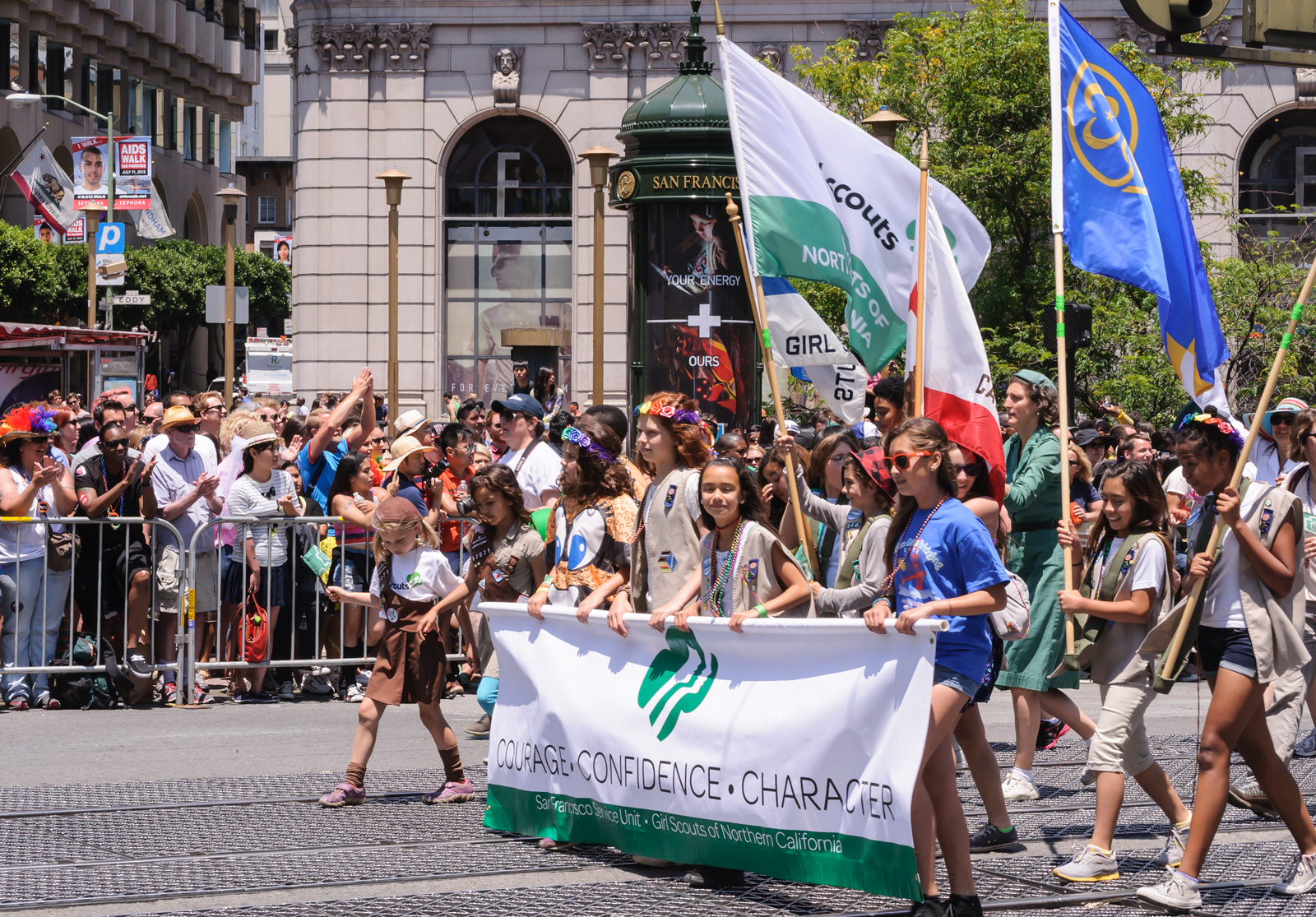
Each June, Pride Month is observed across the United States as a time to celebrate LGBTQ communities, culture and contributions. The month also carries a historical connection to the 1969 Stonewall riots, a series of gay liberation protests in New York that helped shape the modern Pride movement.
San Francisco was part of that history from the beginning. In June 1970, one year after Stonewall, the city hosted one of the country’s first Pride marches. The event took place alongside marches in New York City, Chicago and Los Angeles, creating an early national expression of LGBTQ visibility and political organizing.
Those first marches were not necessarily celebrations in the contemporary sense. They were rooted in protest and liberation, with participants commemorating the Stonewall uprising while pressing for greater freedom and recognition. In New York, the march was promoted as Christopher Street Liberation Day, a name that reflected the movement’s emphasis on resistance and social change.
For San Francisco, joining that first group of cities established a lasting connection between the city and the national LGBTQ rights movement. The 1970 march helped make public the presence of LGBTQ people and challenged the idea that queer life should remain hidden or treated as a private matter. It also communicated that LGBTQ communities were connected to families, friends and broader communities rather than existing apart from them.
The origins of Pride are also tied to the leadership and participation of transgender people and people of color. Figures including Marsha P. Johnson, Sylvia Rivera and Stormé DeLarverie were part of the movement’s early history. Their involvement is a reminder that Pride developed through the work of people whose identities and experiences were not always centered in later retellings of the movement.
That history gives San Francisco’s Pride traditions a meaning beyond the calendar. June is both an opportunity for celebration and a moment to remember the protests, organizing and community-building that made public LGBTQ visibility possible. The month’s observance connects present-day celebrations with an earlier period when marching was a direct demand for liberation.
More than five decades after the first Pride marches, the basic themes remain linked: remembrance, community and the pursuit of equality. For San Francisco, the city’s participation in the 1970 marches is a foundational chapter in that story. It places local LGBTQ history within a broader national movement that began turning grief and protest into a sustained public call for rights and recognition.
Source and reuse information This backgrounder adapts factual material from “Pride Month” on Wikipedia: https://en.wikipedia.org/wiki/Pride_Month The adapted text is released under the Creative Commons Attribution-ShareAlike 4.0 International license (CC BY-SA 4.0): https://creativecommons.org/licenses/by-sa/4.0/. This story has not been independently reviewed or fact-checked.
Further links listed by the Wikipedia page (not independently checked): - https://people.com/human-interest/pride-month-explained-pride-month-facts/ - https://people.com/human-interest/pride-month-history-facts-june-1-to-7/ - https://web.archive.org/web/20221025033644/https://people.com/human-interest/pride-month-explained-pride-month-facts/ - https://web.archive.org/web/20221025015604/https://www.usatoday.com/story/news/2021/06/03/what-pride-month-means-look-history-lgbtq-celebration/7504029002/ - https://web.archive.org/web/20221026144314/https://www.them.us/story/the-complete-history-of-pride - https://web.archive.org/web/20080716153659/http://www.kqed.org/topics/history/heritage/lgbt/timeline.jsp Image rights Photograph description: I am visiting San Francisco for the Pride weekend - one that turned out to be the most historic of them all, thanks to the Supreme Court rulings that legal same-sex marriages cannot be denied federal benefits, and that Proposition 8, which had banned same-sex marriages in California in late 2008, is dead on a legal technicality. While the Boy Scouts are often in the news about their longstanding b Creator: InSapphoWeTrust from Los Angeles, California, USA. License: CC BY-SA 2.0 (https://creativecommons.org/licenses/by-sa/2.0). Original image page: https://commons.wikimedia.org/wiki/File%3AGirl_Scouts_of_America%2C_San_Francisco_Pride_2013_(9255746119).jpg. The image was resized for display; no other changes were made.