LGBTQ+ · San Francisco
The Castro: San Francisco’s enduring LGBTQ neighborhood
Centered on Castro Street, the Castro remains one of San Francisco’s most recognizable LGBTQ communities and a longstanding symbol of gay activism, gathering and public life.
By KLGBT News Desk ·
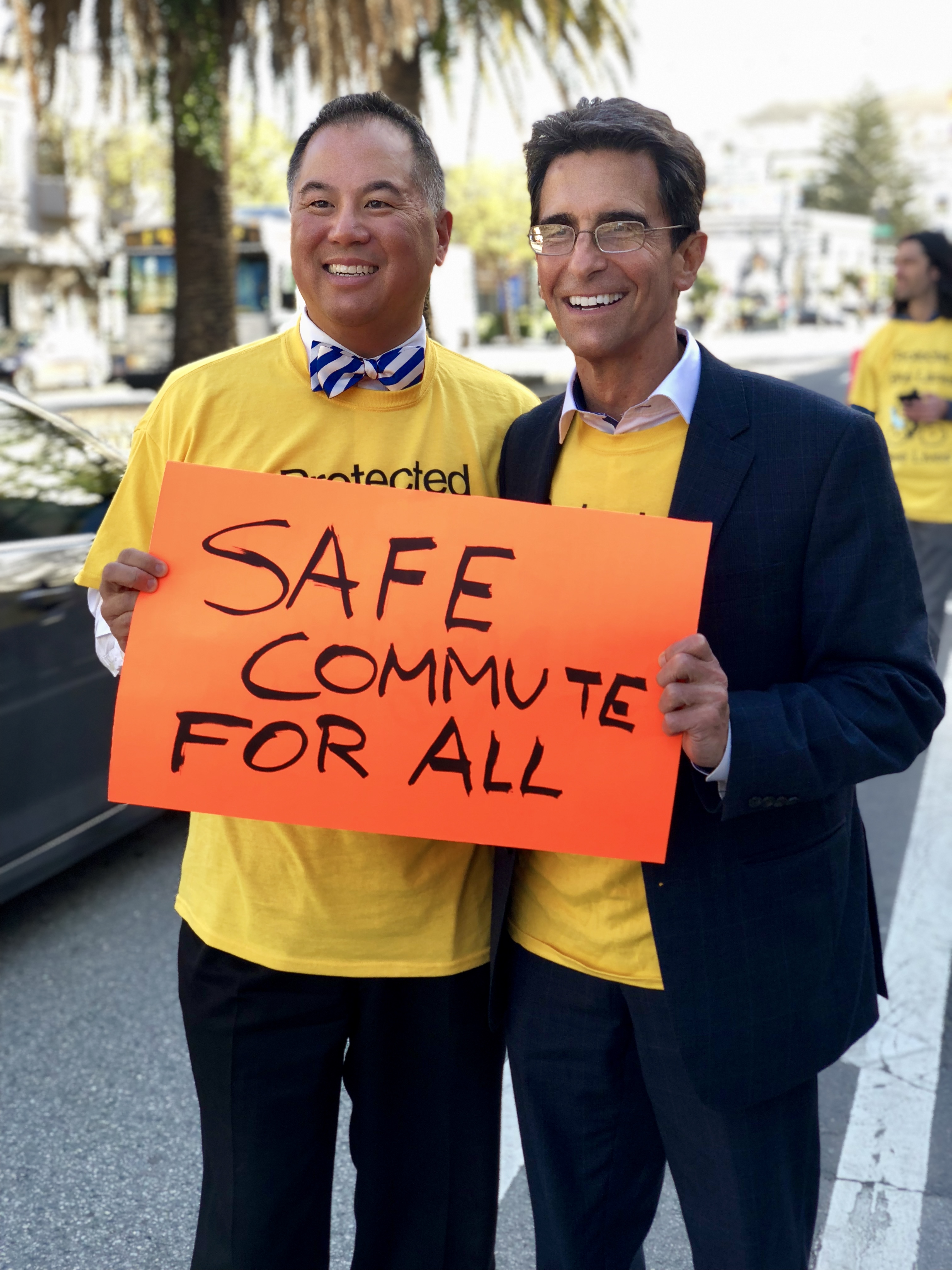
The Castro is a neighborhood within San Francisco’s Eureka Valley, centered on the commercial stretch of Castro Street between Market Street and 19th Street. Its identity reaches beyond that corridor, extending along Market Street toward Church Street and through nearby areas between Church Street and Eureka Street.
The district is widely recognized as one of the earliest gay neighborhoods in the United States. Its character changed substantially during the 1960s and 1970s, when a formerly working-class area developed into a community associated with a particularly high concentration of same-sex couples. That transformation helped establish the Castro as both a neighborhood and a visible center of LGBTQ life.
The Castro’s significance is not limited to its storefronts or boundaries. It has become an internationally recognized symbol of lesbian, gay and bisexual activism, as well as a setting for LGBTQ events. For many people, the name evokes the broader role that an identifiable neighborhood can play in building community, making identities visible and creating a shared civic presence.
The area’s social geography is broader than the central business district. LGBTQ residents also live in surrounding parts of San Francisco, including areas bordered by Corona Heights, the Mission District, Noe Valley, Twin Peaks and Haight-Ashbury. Duboce Triangle and Dolores Heights are sometimes included in the wider Castro area because of their strong LGBTQ presence.
That wider footprint matters when understanding the Castro today. The neighborhood’s best-known commercial spine provides a recognizable center, while nearby residential areas contribute to a larger network of LGBTQ community life. The result is a place defined both by a specific set of streets and by connections that extend beyond formal or commonly used boundaries.
As a San Francisco landmark of LGBTQ history and public life, the Castro carries several identities at once: a neighborhood in Eureka Valley, a business district around Castro Street, a gathering place, and a durable symbol of activism. Its history reflects a shift from working-class surroundings to one of the most prominent concentrations of same-sex couples and LGBTQ community in the United States. Its continued prominence rests on that combination of place, visibility and communal significance.
Source and reuse information This automatically generated backgrounder adapts text from “Castro District, San Francisco” on Wikipedia: https://en.wikipedia.org/wiki/Castro_District,_San_Francisco The adapted text is released under the Creative Commons Attribution-ShareAlike 4.0 International license (CC BY-SA 4.0): https://creativecommons.org/licenses/by-sa/4.0/. The source article’s linked references are provided below where available. This story has not been independently reviewed or fact-checked.
Further links listed by the Wikipedia page (not independently checked): - https://books.google.com/books?id=L9Mj7oHEwVoC&pg=PA174 - https://books.google.com/books?id=0oKFAgAAQBAJ&pg=PA178 - https://books.google.com/books?id=FnGGvT3-NfMC&pg=PA113 - https://books.google.com/books?id=BeKncyQyBEwC - https://web.archive.org/web/20130623061310/http://www.allwelcomelutheran.org/about - https://web.archive.org/web/20140219075452/http://sfconfelca.org/ Image rights Photograph description: Phil Ting and Mark Leno at a People Protected Bike Lanes protest in Castro District - March 2018 Creator: Zoekle. License: CC BY-SA 4.0 (https://creativecommons.org/licenses/by-sa/4.0). Original image page: https://commons.wikimedia.org/wiki/File%3APhil_Ting_and_Mark_Leno%2C_People_Protected_Bike_Lanes_protest%2C_San_Francisco_(March_2018).jpg. The image was resized for display; no other changes were made.