LGBTQ+ · San Francisco
Why the Rainbow Flag Remains a Powerful Symbol of LGBTQ Pride
The rainbow flag emerged from San Francisco’s LGBTQ movement and grew into a worldwide symbol of pride, solidarity, identity and support.
By KLGBT News Desk ·
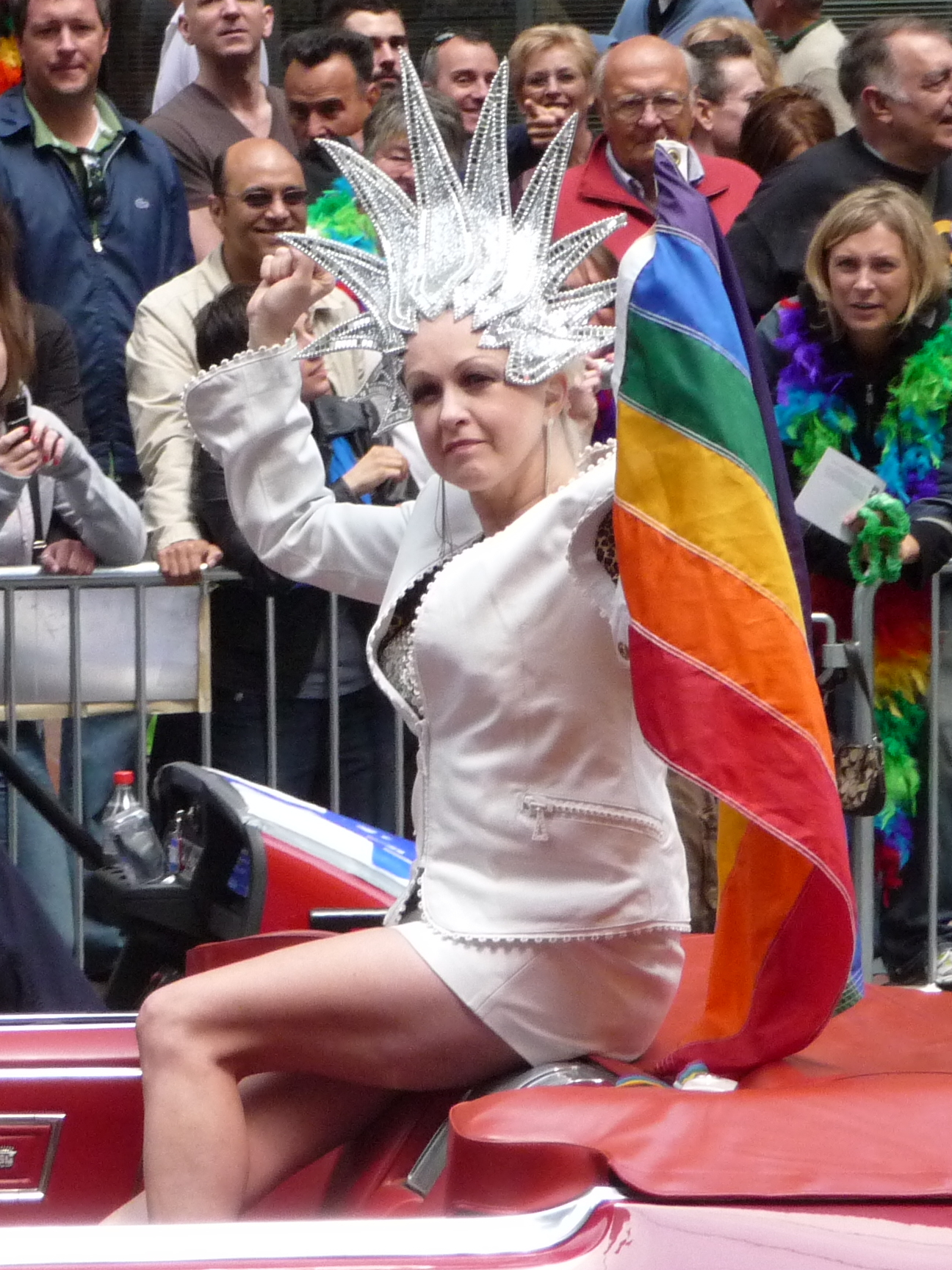
Few symbols are as closely associated with LGBTQ life as the rainbow flag. Its meaning is both communal and expansive: the colors represent the diversity of LGBTQ people and the wider range of human sexuality and gender. The flag is also used as a symbol of peace, linking LGBTQ visibility with a broader message of solidarity.
The tradition of using a rainbow flag for LGBTQ pride began in San Francisco, where artists Gilbert Baker, Lynn Segerblom and James McNamara worked with other activists to devise the design. After its introduction in 1978, the flag changed over time. Those revisions did not diminish its meaning; instead, they helped create a symbol flexible enough to be adapted by different communities and movements.
Baker’s original version contained eight colors. The most familiar design today has six horizontal stripes: red, orange, yellow, green, blue and violet. It is generally arranged with red at the top, following the order associated with a natural rainbow. This six-stripe version became the most common form from 1979 onward.
The flag’s reach now extends far beyond the place where its use as an LGBTQ pride symbol began. LGBTQ people and allies display it, wear it and incorporate its colors into objects and visual designs as public signs of identity, support or connection to the community. Its visibility allows the symbol to function in several ways at once: it can express personal belonging, signal affirmation from an ally or mark a shared commitment to LGBTQ rights.
The rainbow design has also provided a foundation for variations that draw attention to particular groups or causes within the LGBTQ community. These adaptations retain the basic idea of a visible, collective symbol while placing greater emphasis on communities or issues that may otherwise receive less attention.
For San Francisco, the flag carries an especially direct connection to local LGBTQ history. What became an internationally recognized emblem began as a design created in the city’s activist and artistic milieu. Its continued use reflects both that origin and the broader evolution of LGBTQ movements: a local expression becoming a shared symbol, while remaining open to new interpretations and forms of representation.
Source and reuse information This automatically generated backgrounder adapts text from “Rainbow flag (LGBTQ)” on Wikipedia: https://en.wikipedia.org/wiki/Rainbow_flag_(LGBTQ) The adapted text is released under the Creative Commons Attribution-ShareAlike 4.0 International license (CC BY-SA 4.0): https://creativecommons.org/licenses/by-sa/4.0/. The source article’s linked references are provided below where available. This story has not been independently reviewed or fact-checked.
Further links listed by the Wikipedia page (not independently checked): - https://www.nytimes.com/2017/03/31/us/obituary-gilbert-baker-rainbow-flag.html - https://www.huffingtonpost.com/entry/rainbow-pride-flag-history_us_5b193aafe4b0599bc6e124a0 - https://gilbertbaker.com/flags/ - https://web.archive.org/web/20110809150001/http://capetownpride.org/news/news/59-south-african-gay-flag-revealed-at-mcqp/ - https://hellotierney.com/work/more-color-more-pride-2/ - https://www.nbcnews.com/feature/nbc-out/controversy-flies-over-philadelphia-s-new-pride-flag-n772821 Image rights Photograph description: w:Cyndi Lauper at 38th Annual San Francisco LGBT Pride parade Creator: Bastique. License: CC BY-SA 3.0 (https://creativecommons.org/licenses/by-sa/3.0). Original image page: https://commons.wikimedia.org/wiki/File%3ACyndi_Lauper_SF_Gay_Pride_2008_(cropped).jpg. The image was resized for display; no other changes were made.