LGBTQ+ · San Francisco
Why Transgender Day of Remembrance Matters in San Francisco
Transgender Day of Remembrance began in 1999 with observances in Boston and San Francisco, creating an annual occasion to remember people killed because of anti-transgender violence.
By KLGBT News Desk ·
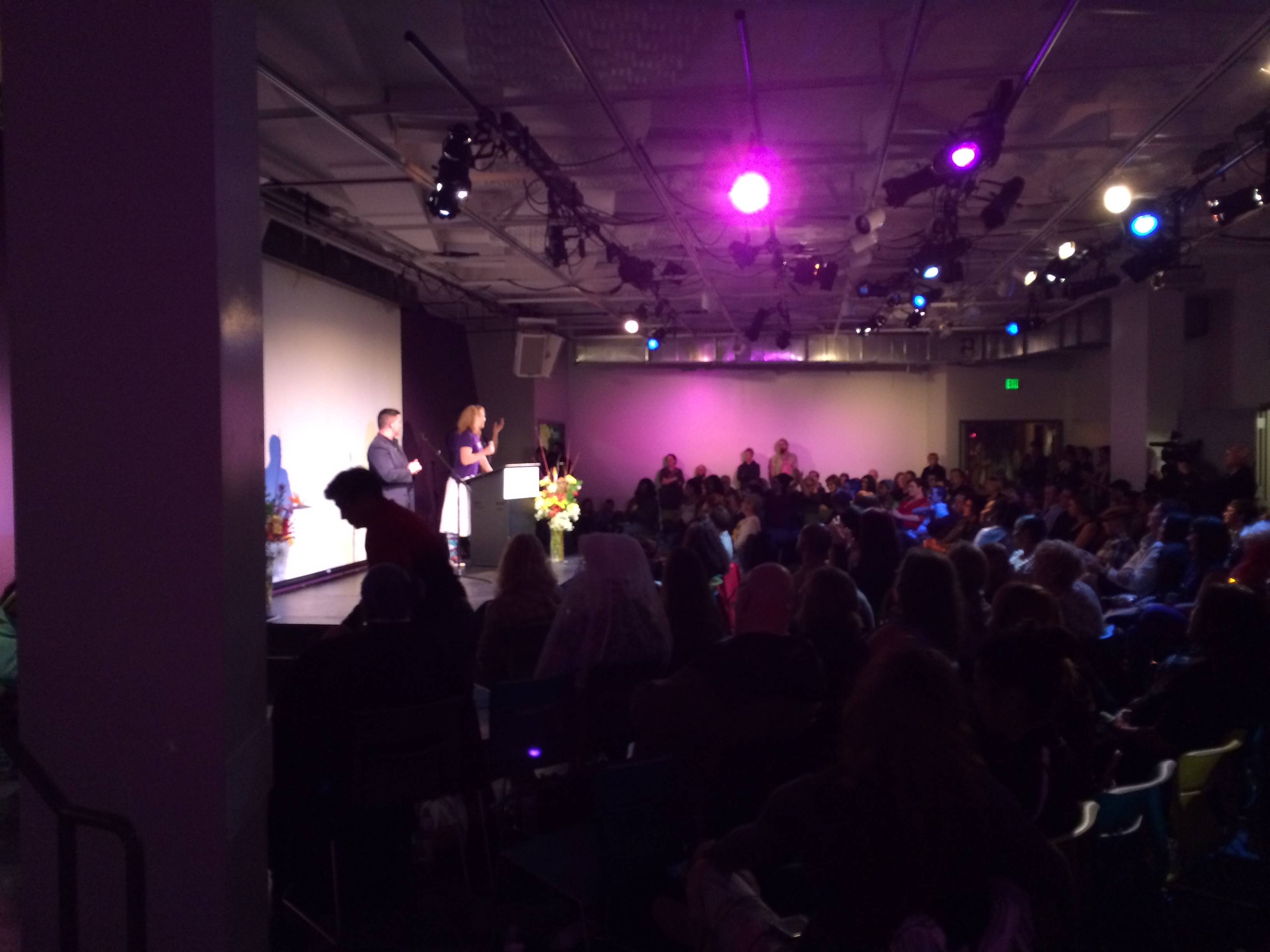
Transgender Day of Remembrance, observed each year on November 20, is a memorial observance centered on transgender people who have been murdered as a result of transphobia. It also serves as a public reminder of the violence directed toward transgender communities and the importance of keeping victims’ lives from being forgotten.
San Francisco has a direct connection to the observance’s origins. The first Transgender Day of Remembrance events took place in November 1999 in both Boston and San Francisco. The date was established as an annual day of remembrance because the deaths at the center of the observance occurred in November, with November 20 corresponding to the anniversary of Chanelle Pickett’s murder.
The observance grew from efforts to remember two Black transgender women: Rita Hester, who was killed in Allston, Massachusetts, in 1998, and Chanelle Pickett, who was killed in Watertown, Massachusetts, three years earlier. A group that included Gwendolyn Ann Smith, Nancy Nangeroni and Jahaira DeAlto founded the day in 1999.
The origins of TDoR also reflect a concern about how quickly violence against transgender people can disappear from public memory. The organizers’ work connected Hester’s death with the earlier killing of Pickett, highlighting the need for sustained remembrance rather than attention limited to a single case. Memorializing those who were killed became a way to document a pattern of violence and to affirm that their lives deserve recognition.
Since its founding, November 20 has remained the observance’s recurring date. For San Francisco, that history gives the day particular local significance: the city was one of the two places where the first TDoR events were held. The observance is therefore both international in purpose and tied to a specific moment in the city’s LGBTQ history.
TDoR is not presented simply as a commemoration of the past. Its stated purpose includes drawing attention to continuing violence against transgender people. That combination—remembering those who died while recognizing the conditions that made such violence possible—has defined the observance since its beginning.
For readers seeking the historical context of November 20, the central facts are straightforward: TDoR was founded in 1999, it began with memorials in Boston and San Francisco, and it has been observed annually on November 20 to honor transgender people killed in acts linked to transphobia. The day’s enduring relevance lies in joining remembrance with visibility and accountability.
Source and reuse information This automatically generated backgrounder adapts text from “Transgender Day of Remembrance” on Wikipedia: https://en.wikipedia.org/wiki/Transgender_Day_of_Remembrance The adapted text is released under the Creative Commons Attribution-ShareAlike 4.0 International license (CC BY-SA 4.0): https://creativecommons.org/licenses/by-sa/4.0/. The source article’s linked references are provided below where available. This story has not been independently reviewed or fact-checked.
Further links listed by the Wikipedia page (not independently checked): - https://web.archive.org/web/20101122171533/http://www.statepress.com/2010/11/18/groups-recognize-transgender-remembrance-day/ - https://www.cp24.com/news/ontario-enshrines-trans-day-of-remembrance-in-law-as-nov-20-1.3718985 - https://www.ontario.ca/laws/statute/17t29 - https://web.archive.org/web/20131203001147/http://www.thevitalvoice.com/news/50-latest-news/817-st-louis-observes-transgender-day-of-remembrance - https://www.bbc.co.uk/news/uk-england-sussex-11805928 - https://web.archive.org/web/20181120152655/https://www.bbc.co.uk/news/uk-england-sussex-11805928 Image rights Photograph description: Across the globe, Transgender Day of Remembrance (TDOR) on November 20, 2013 will memorialize transgender and gender nonconforming people who have been killed as a result of transphobia, violence and prejudice. see: <a href=" http://transgenderlawcenter.org/archives/ai1ec_event/transgender-day-of-remembrance?instance_id= " rel="noreferrer nofollow">transgenderlawcenter.org/archives/ai1ec_event/tra Creator: Ted Eytan. License: CC BY-SA 2.0 (https://creativecommons.org/licenses/by-sa/2.0). Original image page: https://commons.wikimedia.org/wiki/File%3ATransgender_Day_of_Remembrance%2C_San_Francisco%2C_CA%2C_USA_(10977047745).jpg. The image was resized for display; no other changes were made.