LGBTQ+ · Washington
National Black Justice Coalition centers Black LGBTQ+ civil rights
The National Black Justice Coalition works across the United States on issues affecting Black LGBTQ+ people, linking racial-justice and LGBTQ+ advocacy.
By KLGBT News Desk ·
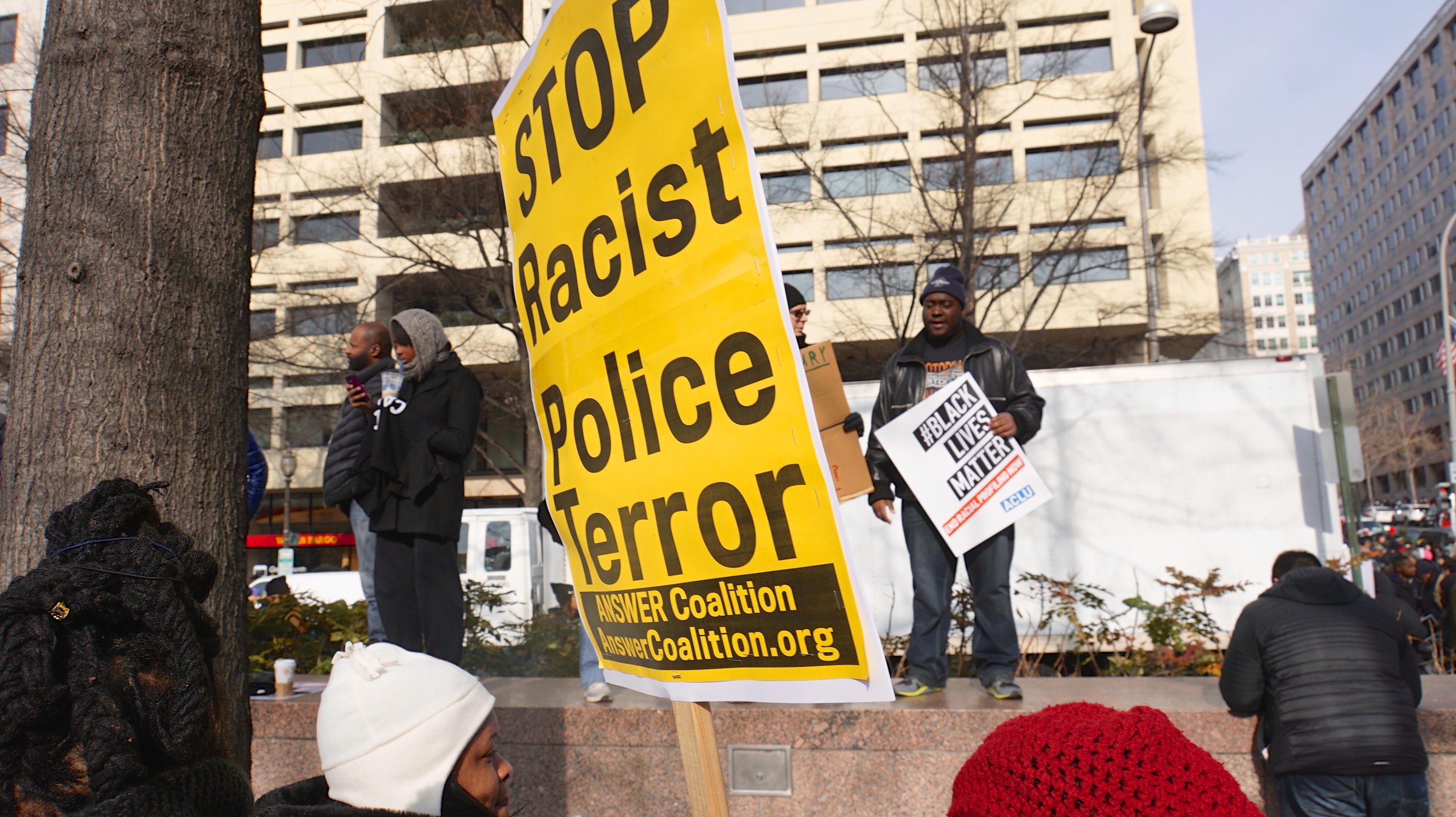
The National Black Justice Coalition is an American civil rights organization focused primarily on the experiences and needs of Black lesbian, gay, bisexual and transgender people. Since 2003, it has worked with national civil rights organizations and LGBTQ+ groups, bringing attention to concerns that can be overlooked when racial justice and LGBTQ+ equality are treated as separate causes.
The organization’s work is relevant to Washington’s civil-rights history through its efforts to preserve and interpret the legacy of Bayard Rustin, the openly gay civil rights leader who served as chief organizer of the 1963 March on Washington for Jobs and Freedom. On the march’s 50th anniversary, NBJC launched a commemoration project honoring Rustin’s role. The initiative was led by NBJC co-founder and political activist Mandy Carter and included continuing collaboration with Walter Naegle, identified in the source as Rustin’s surviving partner.
Rustin’s place in the movement extends beyond the 1963 march. The source also identifies him as a mentor to Martin Luther King Jr. and as someone who helped establish the Southern Christian Leadership Conference. For a Washington audience, that history provides a direct connection between the city’s landmark demonstration for economic and civil rights and the later recognition of an openly gay figure whose contributions had not always received equal visibility.
NBJC identified several areas for its programming in 2011. They included the Employment Non-Discrimination Act, marriage equality, bullying in schools, the military policy known as Don’t Ask, Don’t Tell, historically Black colleges and universities, and HIV/AIDS. Taken together, those priorities show an agenda spanning workplaces, education, military service, family recognition, higher education and public health.
The organization’s focus also underscores the importance of addressing discrimination within the African American LGBTQ+ community as a distinct civil-rights concern. Its collaborations with both Black civil-rights groups and LGBTQ+ organizations reflect an effort to connect movements while keeping the specific experiences of Black LGBTQ+ people at the center.
NBJC’s history, as described here, offers a framework for understanding how LGBTQ+ advocacy intersects with the broader Black freedom struggle. Its Rustin project ties that work to one of Washington’s most consequential protest movements, while its programming priorities point to the range of institutions and policies that shape equality and safety for Black LGBTQ+ people.
Source and reuse information This automatically generated backgrounder adapts text from “National Black Justice Coalition” on Wikipedia: https://en.wikipedia.org/wiki/National_Black_Justice_Coalition The adapted text is released under the Creative Commons Attribution-ShareAlike 4.0 International license (CC BY-SA 4.0): https://creativecommons.org/licenses/by-sa/4.0/. The source article’s linked references are provided below where available. This story has not been independently reviewed or fact-checked.
Further links listed by the Wikipedia page (not independently checked): - https://www.npr.org/2012/05/22/153282066/blacks-gays-and-the-church-a-complex-relationship - https://viaf.org/viaf/138757418 - https://nbjc.org/nbjcabout-us/ - https://id.loc.gov/authorities/no2008006807 - https://web.archive.org/web/20160304043151/http://lgbtweekly.com/2011/02/03/interview-with-national-black-justice-coalition-executive-director-sharon-lettman-hicks/ - https://web.archive.org/web/20150121030940/http://paulimurrayproject.org/still-walking-for-justice-november-3-2012/ Image rights Photograph description: National March Against Police Violence Washington DC USA 50299 Creator: Ted Eytan. License: CC BY-SA 2.0 (https://creativecommons.org/licenses/by-sa/2.0). Original image page: https://commons.wikimedia.org/wiki/File%3ANational_March_Against_Police_Violence_Washington_DC_USA_50299_(15395495243).jpg. The image was resized for display; no other changes were made.