LGBTQ+ · Washington
What the 2017 Women’s March Meant in Washington
The 2017 Women’s March on Washington became a major national demonstration linking women’s rights with LGBTQ rights, racial equality, immigration, health care and other human-rights issues.
By KLGBT News Desk ·
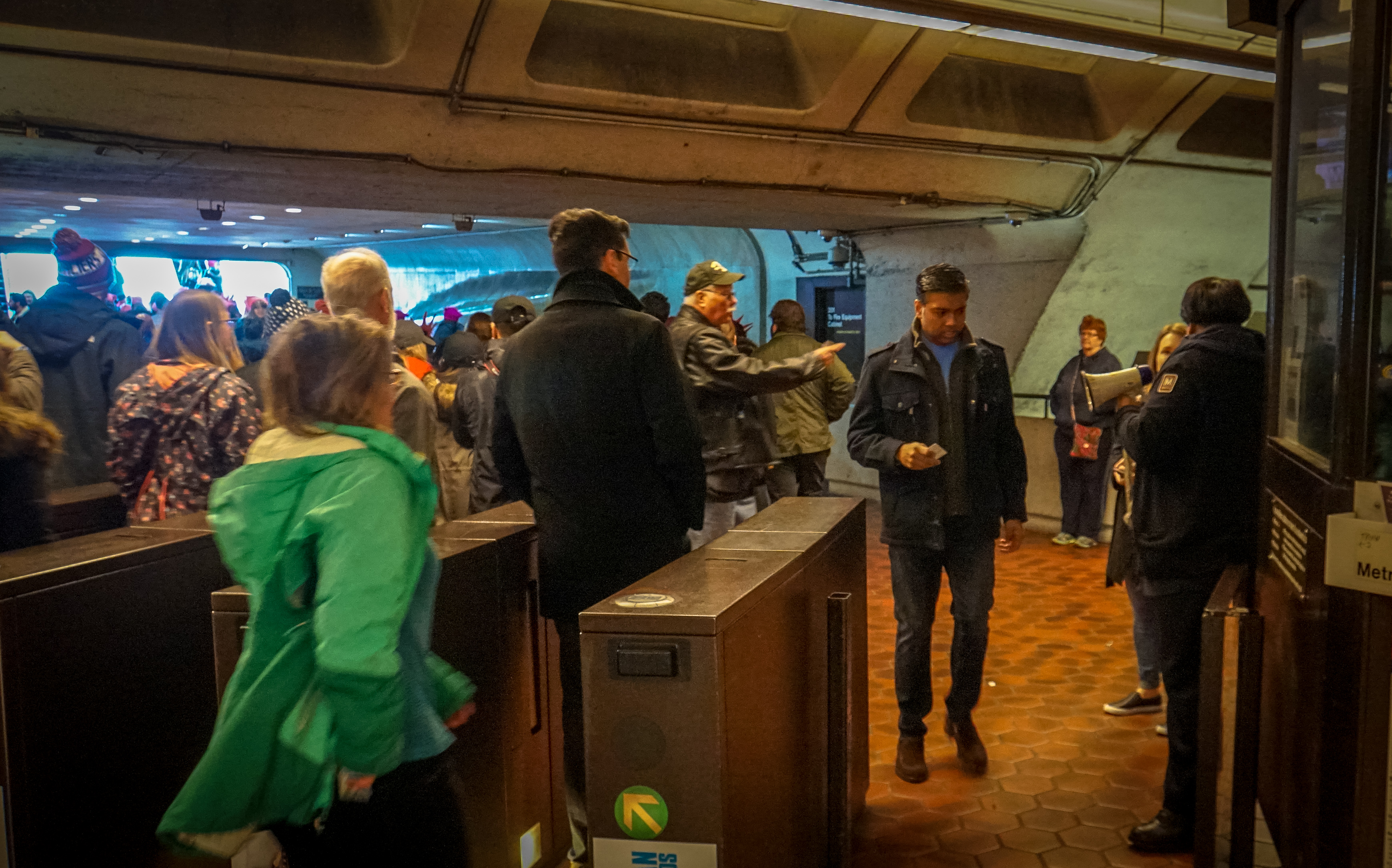
The 2017 Women’s March on Washington brought more than 470,000 people to the nation’s capital on January 21, one day after Donald Trump’s first inauguration as president. It was the central gathering of a broader protest movement that included marches elsewhere in the United States and around the world.
The demonstration emerged in response to Trump’s policy positions and public rhetoric, which organizers and participants viewed as misogynistic and threatening to women’s rights. Its organizers framed the march as a public statement to the new administration and as an international expression of the idea that women’s rights belong within the broader fight for human rights.
For LGBTQ-focused readers, the march’s significance rests in its expansive list of concerns. Alongside women’s rights, the movement identified LGBTQ rights, racial equality, reproductive rights, immigration reform, health care reform, disability justice, environmental protection, freedom of religion, workers’ rights and tolerance as issues connected to its work. That agenda placed LGBTQ equality within a coalition of human-rights and social-justice causes rather than treating it as a separate concern.
The Washington event was also notable for its scale. At the time, it was described as the largest single-day protest in United States history, a distinction later surpassed by protests following the killing of George Floyd three years afterward. The march’s size made Washington the focal point of a national response, while simultaneous events elsewhere showed that the movement was not confined to the capital.
Technology helped extend the reach of the main demonstration. The Washington march was streamed live through YouTube, Facebook and Twitter, allowing people outside the city to follow the event. That combination of an in-person gathering and online distribution connected the local Washington protest to a much wider audience.
The march also established a recurring framework: annual demonstrations aimed at advocating legislation and public policies concerning human rights and the other issues identified by organizers. In that sense, the 2017 event can be understood not only as a response to a particular presidential transition, but also as the beginning of an ongoing platform centered on solidarity across movements.
For Washington’s LGBTQ community, the event remains a useful example of how large civic demonstrations can bring sexual orientation and gender-identity rights into a broader public conversation about equality, representation and government policy. Its stated agenda made coalition-building a central feature of the march, with LGBTQ rights presented alongside other causes affecting marginalized communities.
Source and reuse information This automatically generated backgrounder adapts text from “2017 Women's March” on Wikipedia: https://en.wikipedia.org/wiki/2017_Women%27s_March The adapted text is released under the Creative Commons Attribution-ShareAlike 4.0 International license (CC BY-SA 4.0): https://creativecommons.org/licenses/by-sa/4.0/. The source article’s linked references are provided below where available. This story has not been independently reviewed or fact-checked.
Further links listed by the Wikipedia page (not independently checked): - https://web.archive.org/web/20170113140714/http://www.slate.com/blogs/xx_factor/2017/01/12/the_women_s_march_on_washington_has_released_its_platform_and_it_is_unapologetically.html - https://static1.squarespace.com/static/584086c7be6594762f5ec56e/t/5877e24a29687f9613e546ff/1484251725855/WMW+Guiding+Vision+&+Definition+of+Principles.pdf - https://web.archive.org/web/20170120013829/https://static1.squarespace.com/static/584086c7be6594762f5ec56e/t/5877e24a29687f9613e546ff/1484251725855/WMW+Guiding+Vision+%2526+Definition+of+Principles.pdf - https://www.vogue.com/article/march-on-impeach-trump-vanessa-wruble - https://web.archive.org/web/20170104071254/https://www.washingtonpost.com/national/it-started-with-a-grandmother-in-hawaii-now-the-womens-march-on-washington-is-poised-to-be-the-biggest-inauguration-demonstration/2017/01/03/8af61686-c6e2-11e6-bf4b-2c064d32a4bf_story.html - https://www.usatoday.com/story/news/politics/2017/01/05/womens-march-searches-themes-amid-concern-trump-gop-congress/96199000 Image rights Photograph description: Metro employee allowing riders to exit without paying fare "Metro's got you!" Women's March on Washington Creator: Ted Eytan. License: CC BY-SA 2.0 (https://creativecommons.org/licenses/by-sa/2.0). Original image page: https://commons.wikimedia.org/wiki/File%3A2017.01.21_Women's_March_Washington%2C_DC_Women's_March_Washington%2C_DC_USA_28.00118_(31630771823).jpg. The image was resized for display; no other changes were made.